
Every September, New York becomes a meeting point for presidents, prime ministers, diplomats and senior government officials from around the world.
The reason is the United Nations General Assembly (UNGA), the main forum where the UN’s 193 member states come together to debate international issues, negotiate positions and discuss challenges that cross national borders.
The 81st session of the General Assembly opened on September 8, 2026, while the high-level week and annual General Debate began on September 22. Nearly 130 heads of state and government are expected to attend in person this year.
But despite the annual images of world leaders addressing the famous General Assembly Hall, UNGA is much more than a series of speeches.
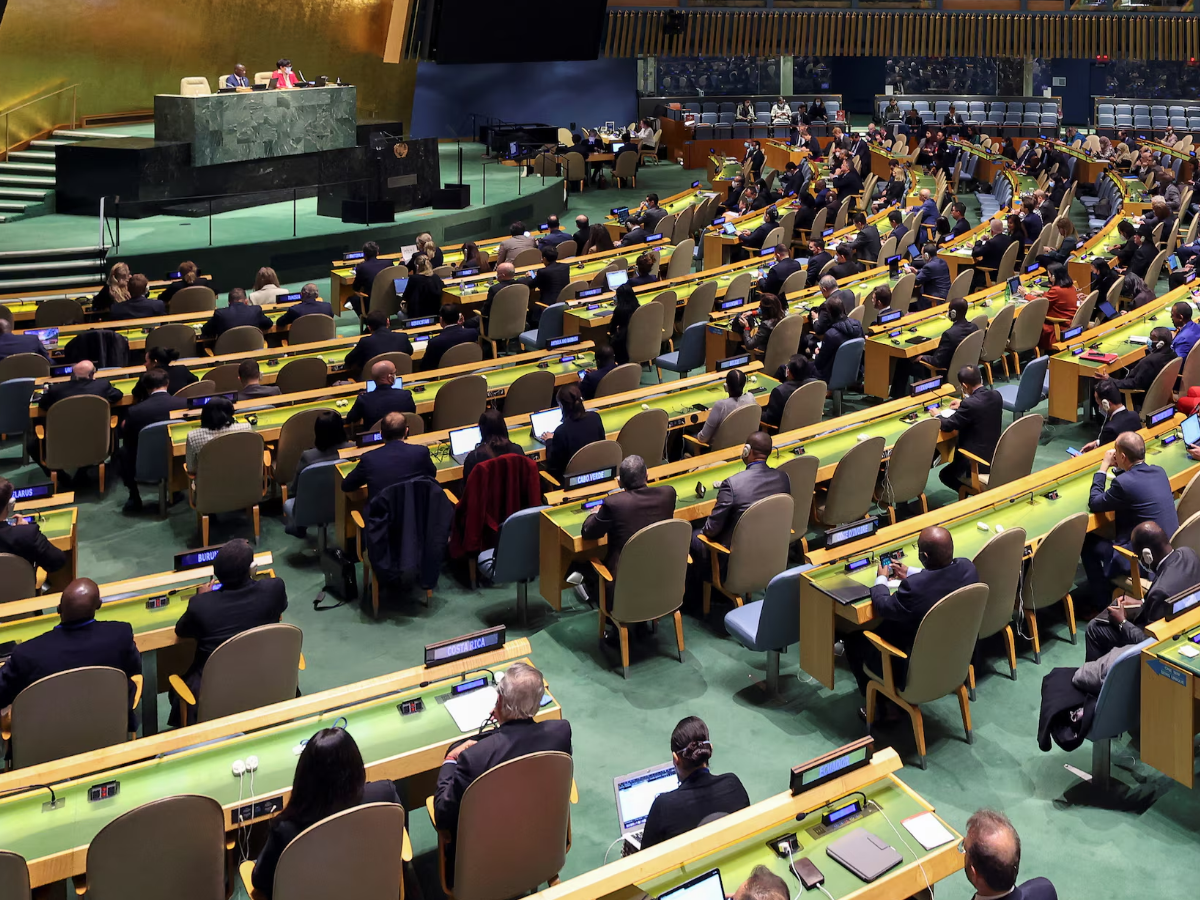
What exactly is the UN General Assembly?
The General Assembly is the UN’s main deliberative, policymaking and representative body.
All 193 UN member states have a seat, and each country has one vote. This makes the Assembly the only major UN body where every member state is represented on an equal voting basis.
The Assembly discusses issues ranging from international peace and security to development, human rights, humanitarian affairs, health, education and climate change.
It also considers and approves the UN budget, elects members of various UN bodies and, on the recommendation of the Security Council, appoints the Secretary-General.
In simple terms, the General Assembly provides countries with a global table where they can put their priorities on record, negotiate with one another and build international agreements.
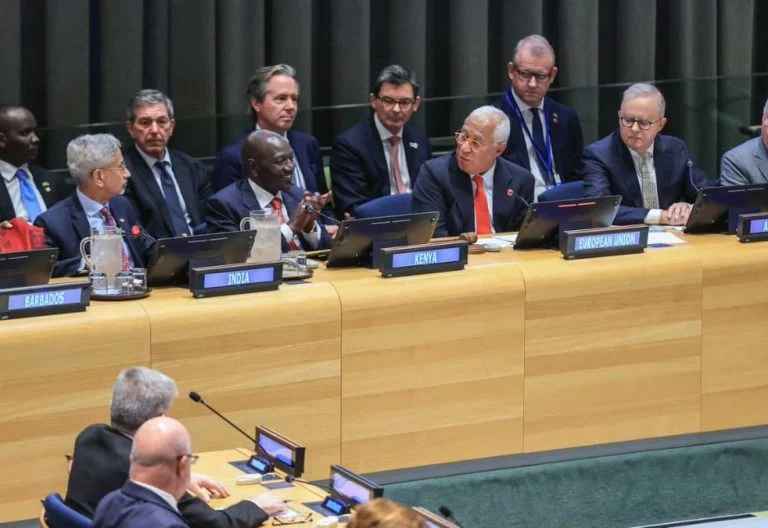
Why do presidents and prime ministers travel to New York?
The biggest attraction during this period is the General Debate.
This is the part of the UN calendar that brings heads of state and government to New York to present their countries’ positions on major international issues.
For the 81st session, the General Debate is taking place from September 22 to 26 and again on September 28. The theme is “Restoring trust, managing transformation: A United Nations that delivers for all.”
The speeches give governments an opportunity to address the international community directly.
A president may use the platform to explain his country’s position on a conflict, appeal for international support, announce a new initiative, raise concerns about trade or development, or highlight issues affecting their region.
For African governments, the gathering also provides an opportunity to place issues such as development financing, climate change, debt, peace and security and global representation on the international agenda.
It is not just about speeches
The General Debate attracts the cameras, but much of the important diplomatic work happens away from the main podium.
Governments hold bilateral and multilateral meetings with other countries, international organisations and development partners.
These meetings can cover trade, investment, security cooperation, climate action, health, infrastructure, technology and other areas of mutual interest.
The UN’s 2026 High-Level Week also includes dedicated meetings on climate action, sea-level rise, pandemic preparedness, development and racial discrimination.
On September 23, leaders are meeting to mark the 40th anniversary of the Declaration on the Right to Development, alongside a high-level meeting on climate action and a just transition.
The following day, the UN will host a meeting focused on the threats posed by rising sea levels, an issue of particular concern to small island states and low-lying coastal communities.
On September 25, countries will also hold a high-level meeting on pandemic prevention, preparedness and response.
What can the General Assembly actually decide?
One common misconception is that every speech made at the UN General Assembly automatically becomes international law.
That is not how the Assembly works.
The General Assembly can adopt resolutions and make recommendations to member states on a wide range of international issues. It also plays an important role in developing international norms and standards.
However, many General Assembly resolutions are recommendations rather than legally binding orders on individual countries.
Voting requirements also vary. Important questions, including certain budgetary and peace-and-security matters, require a two-thirds majority, while other questions are decided by a simple majority.
The Assembly therefore operates through debate, negotiation, voting and political consensus rather than functioning like a world parliament with unlimited power over national governments.
Why the meeting matters to ordinary people
The issues discussed inside the UN headquarters can appear distant from everyday life, but many of them have direct consequences for countries such as Kenya.
Climate negotiations can affect international financing for adaptation and resilience. Discussions on health can shape cooperation on future pandemics. Debates on development influence global commitments on poverty, education and access to financing.
For countries vulnerable to climate change, meetings on sea-level rise and climate action are also closely connected to questions of funding, technology and international cooperation.
The Sustainable Development Goals remain another major focus. The UN says the High-Level Week is intended to push collective action towards the 2030 goals at a time of overlapping global challenges.
Why New York becomes so busy
The concentration of leaders makes the General Assembly one of the world’s biggest annual diplomatic gatherings.
For several days, government delegations, UN agencies, civil society organisations, journalists and international institutions operate around the UN headquarters in Manhattan.
The 2026 High-Level Week runs from September 22 to 29, with the General Debate forming its centrepiece.
For the countries represented there, however, the gathering is about more than being seen on the world stage.
It is an opportunity to negotiate, build alliances, defend national interests and influence discussions on problems that no country can easily solve alone.
That is why, for one week every September, the world’s attention turns to New York.
Meta description: The UN General Assembly brings 193 countries together each year to debate global challenges, negotiate agreements and shape international policy.


