
He joined the fray with great confidence. But some serious legal questions that have been raised could kick the Democratic Party candidate in Mbeere North out of the race.
In a twist of events, a resident of Embu has petitioned the Registrar of Political Parties to probe what he describes as an “suspicious” transfer of Karish from the Devolution Empowerment Party (DEP) — under which he serves as MCA — to DP. Petitioner Mbui argues that the switch was irregular, potentially making Karish ineligible. The case could easily throw the DP nominee onto headlines about his paperwork rather than his policies.
The by-election in Mbeere North was occasioned by President William Ruto’s appointment of Geoffrey Ruku to the cabinet. Interestingly, it has become one of the most closely watched contests in Mt Kenya — a test not only of party loyalties but also of the ability of opposition forces to withstand the governing party’s superior machinery.
Among those in the race is Newton Kariuki, the Muminji ward MCA known by his stage name Karish. He is running on the Democratic Party (DP) ticket, backed by figures such as DP chairman Justin Muturi and former senator Lenny Kivuti. His candidacy was meant to inject energy, celebrity appeal and a populist touch.
Karish’s main challenge comes from the ruling party, UDA, flag bearer Leonard Leo Muthande and Duncan Mbui.
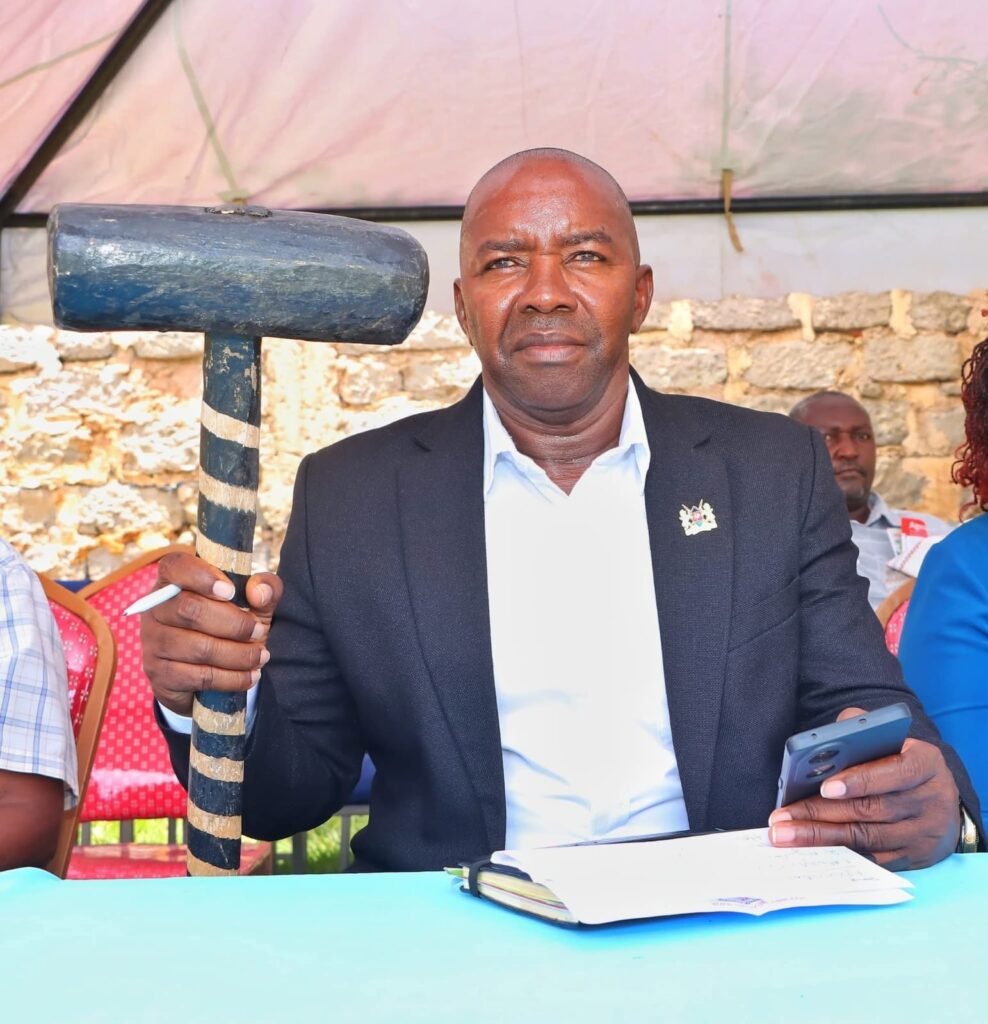
Duncan Mbui himself is no minor player. Originally aligned with the Democracy for the Citizens Party (DCP), he broke ranks after DCP resolved to back Karish, accusing the leadership of betrayal. He has since secured the Chama Cha Kazi (CCK) ticket, strengthening his legitimacy and drawing on his established base in Evurore Ward, where he won as an independent MCA in 2022. His candidacy both fragments the opposition vote and highlights the fragility of coalition politics in Mt Kenya.
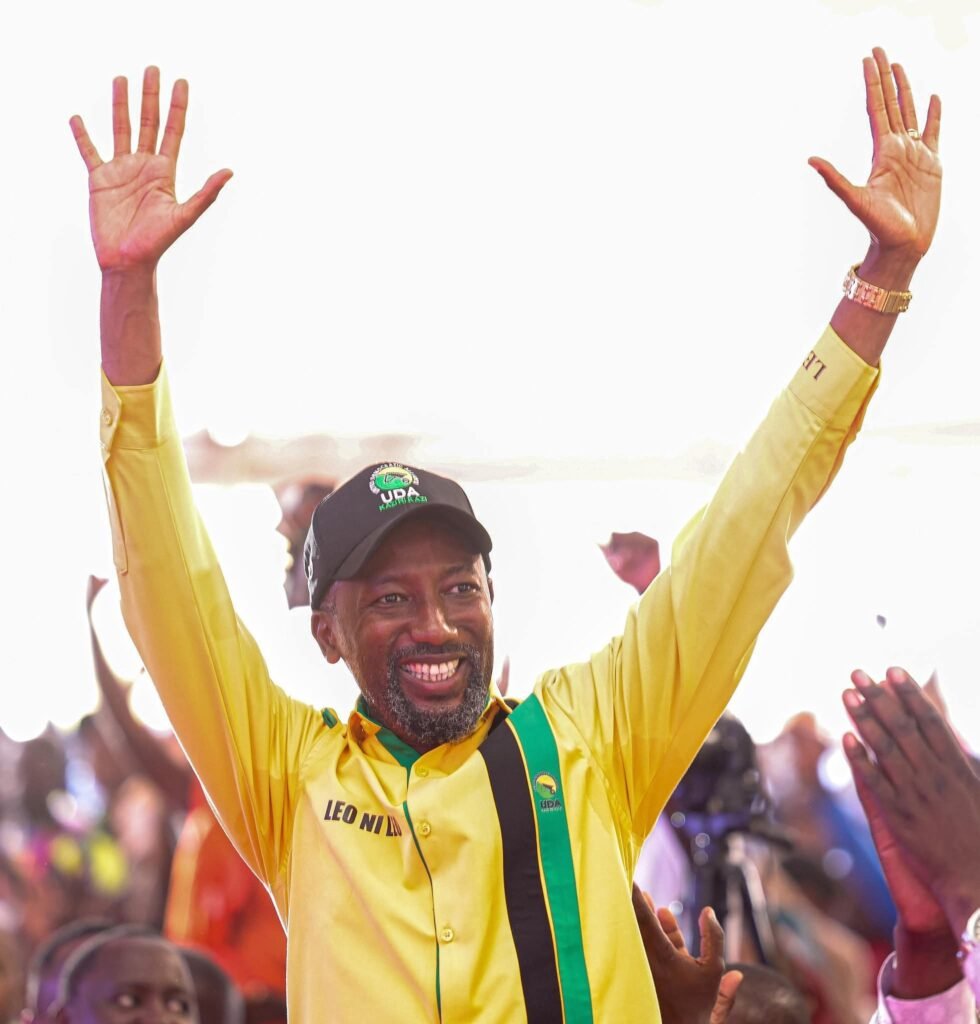
The ruling United Democratic Alliance (UDA), by contrast, has coalesced around Leonard “Leo” Muriuki Muthende. In a carefully choreographed move, eight aspirants stepped aside to endorse him, among them prominent local figures such as former MP Charles Muriuki Njagagua and Embu ex-speaker Justus Kariuki Mate. That unity, coupled with government incumbency and the visibility of Cabinet Secretaries on the campaign trail, gives Leo structural advantages. UDA’s message is simple: continuity with Ruto’s administration and direct access to state resources.
Also in the race is Jacob Mbao, the Jubilee Party nominee. While Jubilee’s influence in the region has waned since the Kenyatta era, Mbao’s candidacy underlines the party’s refusal to be written off. For voters nostalgic about Jubilee, or resistant to both UDA and DP, Mbao represents an alternative voice.
The crowded ballot crystallises the challenge for non government candidates. Instead of running a straight anti-government campaign, they face a splintered field in which every additional opposition candidate risks siphoning away votes.
In by-elections, where turnout is typically low, even small defections can tilt outcomes.
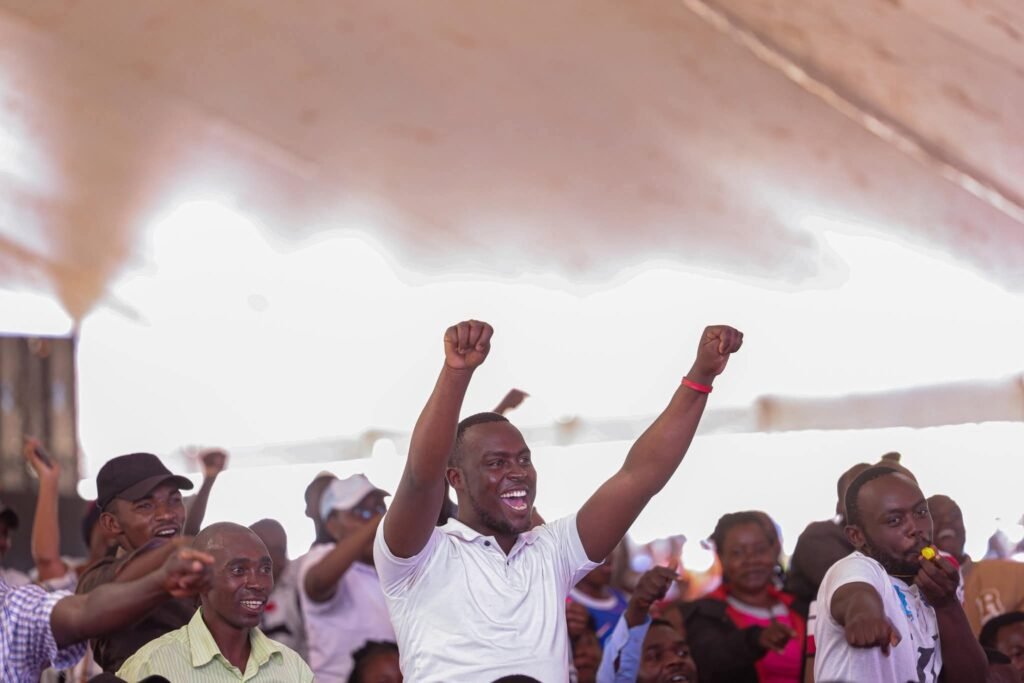
The stakes are unusually high. For UDA, victory would reinforce Ruto’s grip on Mt Kenya and confirm that defections or dissent can be contained. For DP and its allies, a win would prove that opposition unity can translate into electoral breakthroughs. For smaller parties like CCK and Jubilee, credible performances could keep them relevant ahead of 2027.
Yet for Karish, what began as a contest of personality has become a battle for survival. Legal questions cloud his eligibility, Mbui’s petition has injected uncertainty, and the proliferation of credible rivals threatens to dilute his base.
The Mbeere North by-election is no longer simply about replacing Geoffrey Ruku. It has become a microcosm of Kenya’s political volatility: where incumbency, fragmentation and procedural skirmishes matter as much as ideology, and where a few thousand ballots could reshape national narratives.


