
The Orange Democratic Movement (ODM) was thrown into a full-blown internal crisis on Friday after two rival factions held parallel National Delegates Convention (NDC)-style meetings, each asserting legitimacy and control over the party’s future.
The dramatic split, unfolding in real time across Nairobi, exposed deep ideological and leadership divisions, with one faction pushing for cooperation with the government while the other insisted on preserving ODM’s opposition identity.
What happened at the Jamhuri Grounds convention
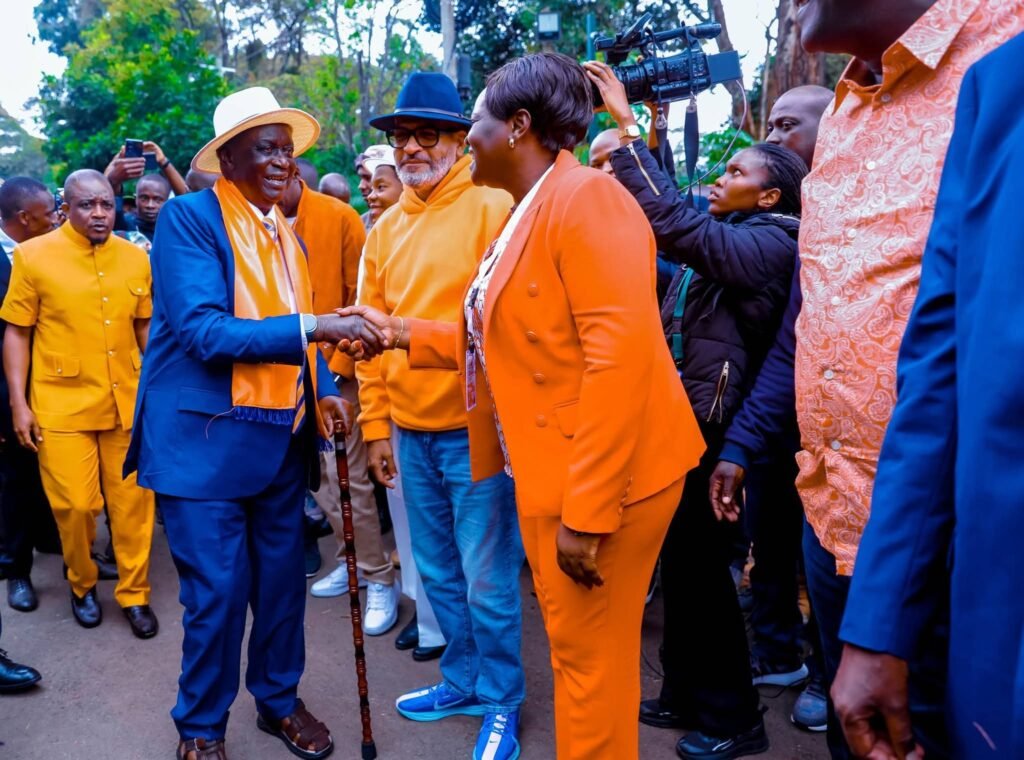
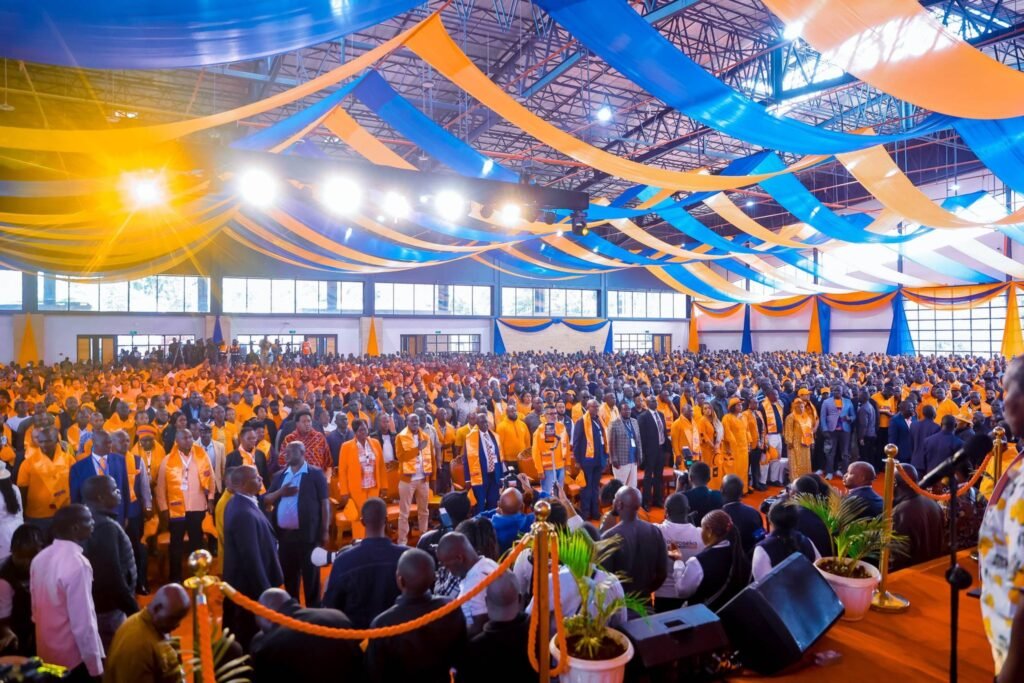
At Jamhuri Grounds, the faction aligned to party leadership convened a Special Delegates Convention (SDC) that ratified Oburu Oginga as the official ODM party leader.
The meeting also endorsed a major restructuring of the party, including the elevation of Gladys Wanga as National Chairperson and the appointment of three deputy party leaders — Simba Arati, Abdulswamad Nassir, and Godfrey Osotsi.
Busia Woman Representative Catherine Omanyo was endorsed as acting Secretary General following the removal of Edwin Sifuna, a move that intensified tensions within the party.
Addressing delegates, Oburu dismissed claims of internal purges and defended the faction’s authority. “We are NOT expelling anybody from the party… anybody who feels uncomfortable can LEAVE! Leave us ALONE, to do what we want,” he said.
The convention also signaled openness to working with the ruling United Democratic Alliance (UDA), a move leaders framed as strategic engagement rather than political compromise.
Defending this position, Wanga said cooperation was necessary for the party’s survival and influence. “Those calling for ODM to oppose the government are enemies who are friends with shareholders… when your child is inside a house, do you set it on fire? No—you would only be harming yourself,” she said.
National Assembly Minority Leader Junet Mohamed added that ODM would not cede its parliamentary strength. “We are not negotiating on our positions in Parliament,” he said.
What happened at the “Linda Mwananchi” meeting
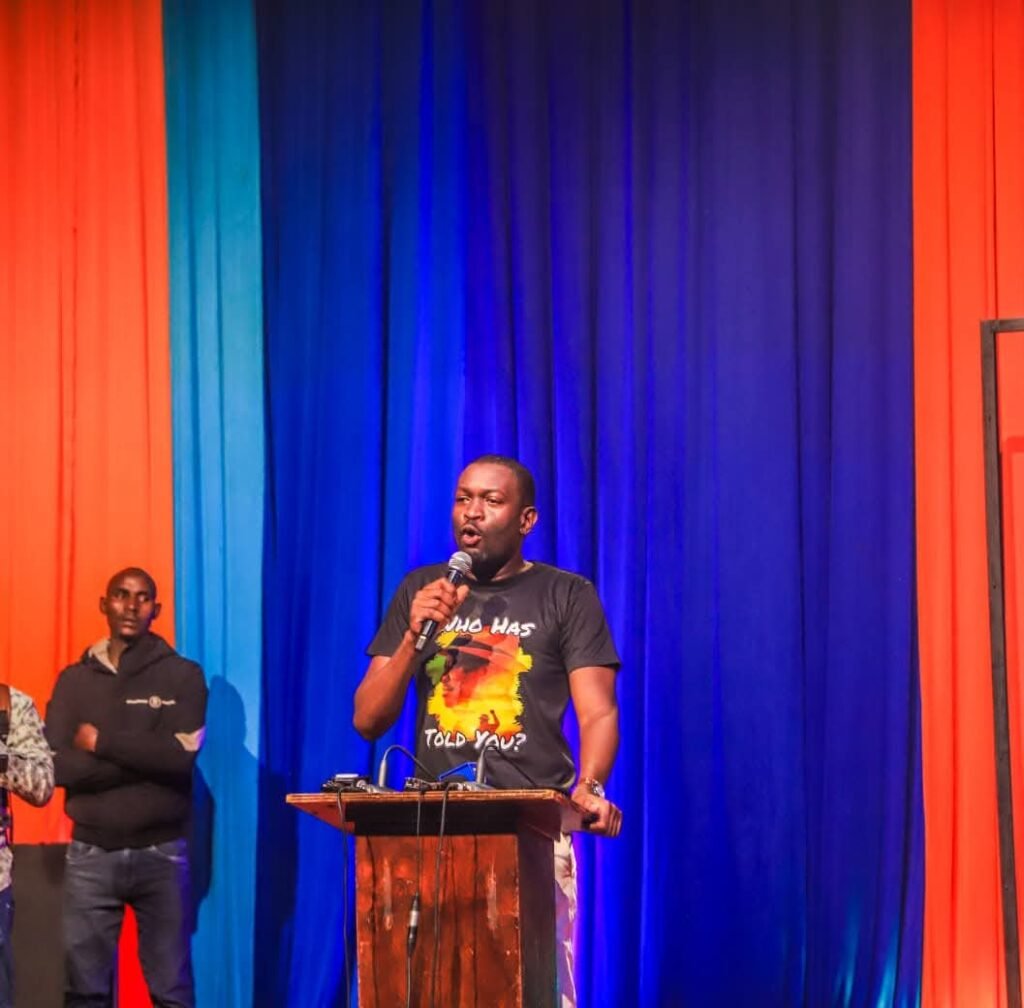
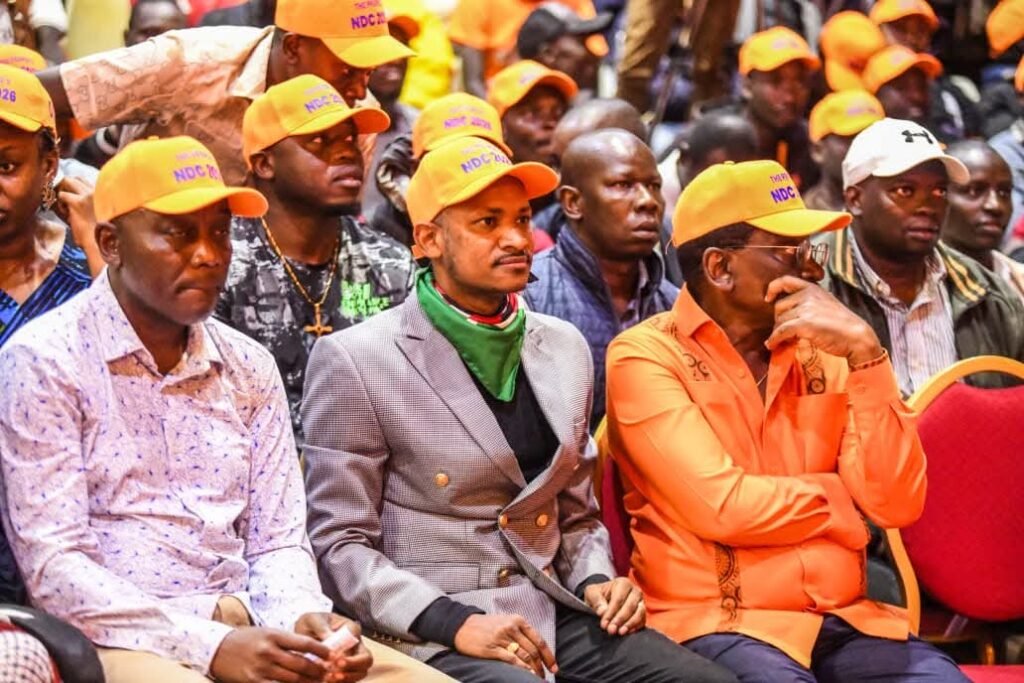
At the same time, a rival faction led by Edwin Sifuna, James Orengo, and Babu Owino held a parallel gathering rejecting the Jamhuri convention as unconstitutional.
The group branded the SDC illegitimate and warned that it risked undermining the party’s democratic structures.
Orengo strongly criticized the process, stating, “The meeting being referred to as a Special Delegates Convention is, in effect, an illegal NDC.”
He further accused sections of the leadership of abandoning ODM’s founding ideals. “They have turned this party into a vehicle for personal enrichment… I will not watch silently as democracy is strangled from within,” he said.
Sifuna, whose removal triggered part of the dispute, acknowledged the confusion within the party. “I want to apologise to members of ODM for all the confusion we as a leadership have caused… it should be easy to discern the position of ODM, but it isn’t,” he said.
Why ODM is divided
At the heart of the standoff is a fundamental disagreement over ODM’s identity and future direction. One faction supports pragmatic engagement with the government, while the other insists on maintaining a firm opposition stance.
Winnie Odinga framed the conflict as a broader ideological struggle rather than a personal contest. “Today, this fight in ODM is not about individual leaders, it is about the soul, virtues and values of ODM,” she said.
The dissenting faction argues that aligning with the government risks diluting ODM’s reform agenda and alienating its support base. On the other hand, the Jamhuri faction maintains that cooperation offers political leverage and national stability.
Tribunal ruling and leadership shake-up
The showdown followed a ruling by the Political Parties Disputes Tribunal (PPDT), which dismissed a petition by Sifuna seeking to block the convention and his removal.
The decision cleared the way for the Jamhuri meeting to proceed and implement sweeping leadership changes, including restructuring key party positions and expanding leadership roles.
Analysts say while the ruling settled the immediate legal hurdle, it did little to resolve the underlying political tensions now threatening party unity.
What it means for ODM and Kenyan politics
The parallel meetings mark one of the most serious internal splits in ODM’s history and could reshape the country’s political landscape ahead of the 2027 elections.
With both factions holding firm positions, ODM faces the risk of fragmentation, prolonged legal battles, or even a formal split. The outcome will likely influence coalition dynamics, opposition strength, and future alliances.
For now, ODM stands at a defining moment — torn between reinvention and internal collapse, with its next steps set to determine not just its survival, but its relevance in Kenya’s evolving political scene.

