
The Kenyan government has reaffirmed its commitment to achieving universal electricity access within the next four years, in a bold move aimed at accelerating economic growth and improving livelihoods across the country.
Speaking during an inspection tour in Kiaumbui, Kithure Kindiki outlined the progress made so far and the ambitious plans ahead.
“The Government aims at connecting all households in Kenya with electricity in the next four years,” said Kindiki.
He noted that out of the country’s 15.6 million households, 10.3 million are already connected to electricity, marking significant progress in expanding access to power nationwide.

Millions connected as electrification gains momentum
According to Kindiki, the government has made notable strides in recent years, with 1.4 million households connected to electricity between 2023 and 2026 alone.
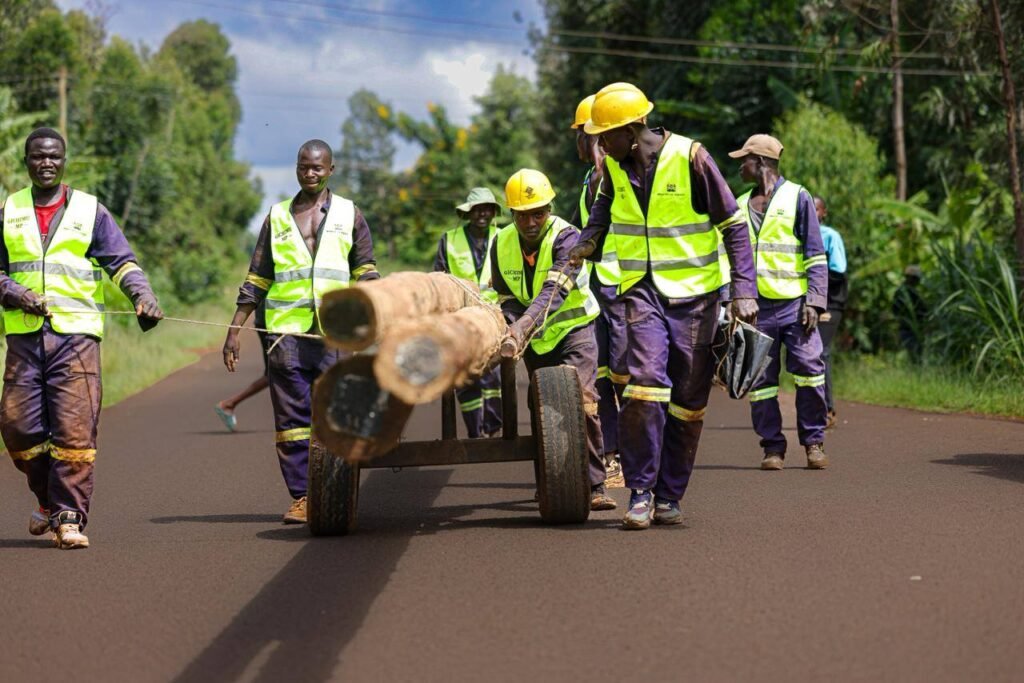
This progress reflects increased investment in rural electrification and last-mile connectivity projects, which aim to bring power closer to homes, businesses, and public institutions.
The push for universal access is seen as a key pillar in Kenya’s long-term development agenda, particularly as the country seeks to bridge the urban-rural divide and ensure equitable access to essential services.
Kirinyaga projects boost local connectivity
In Kirinyaga County, ongoing electrification projects are set to connect an additional 7,300 households at a cost of KSh 440 million. These projects are part of a wider effort to expand electricity access in underserved areas.
During the visit, Kindiki inspected the Kiaumbui last-mile electrification project, which will connect 149 households, businesses, and public amenities at a cost of KSh 10.9 million.
“Universal electricity supply is part of the modernization process of Kenya’s economy in the aspiration of becoming a first world economy in a single generation,” he stated.
The projects are expected to not only improve household access to electricity but also stimulate economic activity by supporting small businesses, schools, and healthcare facilities.
Leaders join inspection of key development project
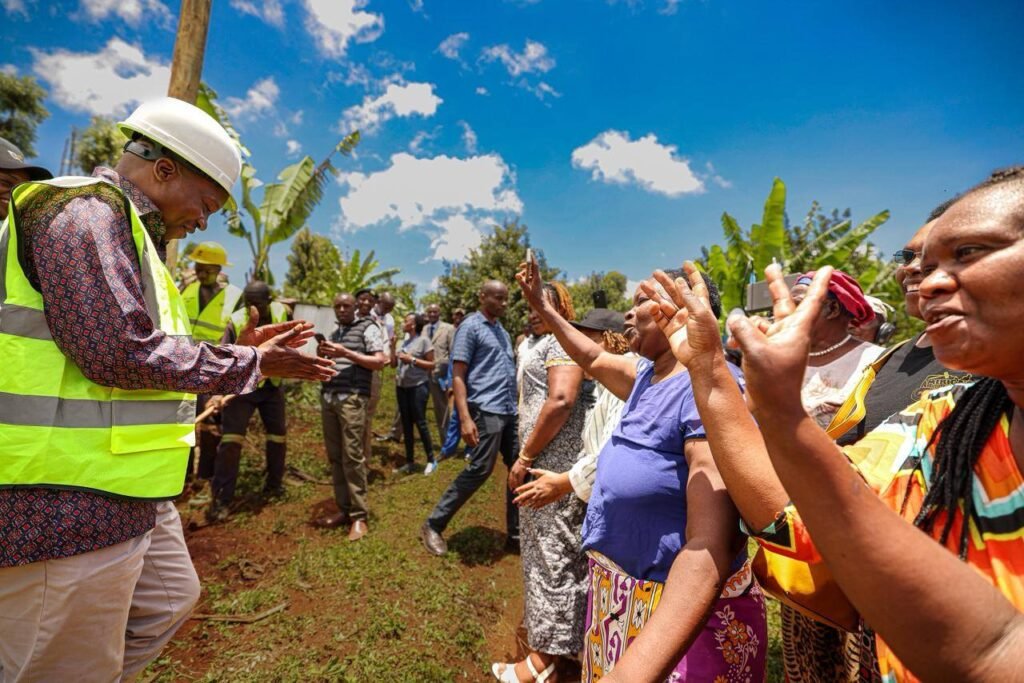
The inspection tour brought together several national and county leaders, underscoring the importance of the electrification agenda. Among those present were David Githanda, Gichimu Githinji, Mary Maingi, and Mary Muthoni.
Their presence highlighted the collaborative approach between national and local governments in implementing development projects that directly impact communities.
Residents of the area also welcomed the initiative, noting that access to electricity would transform their daily lives by improving access to information, enhancing security, and enabling income-generating activities.
Powering Kenya’s economic transformation
The government’s electrification drive is closely tied to its broader vision of transforming Kenya into a modern, industrialized economy. Reliable electricity is seen as a critical enabler of growth, supporting sectors such as manufacturing, agriculture, education, and healthcare.
By expanding access to power, the government aims to create opportunities, attract investment, and improve the overall quality of life for millions of Kenyans.
As projects like the one in Kiaumbui continue to roll out, Kenya moves closer to achieving universal electricity access—an ambitious goal that could redefine the country’s development trajectory in the coming years.

