
Before independence, streets in Kenya’s capital carried British names, after Nairobi was categorised as an idyllic British outpost.
Despite Nairobi coming from the Maasai phrase ‘Enkare Nairobi’ to mean ‘place or cool waters’, the city would end up honoring railway officials, commissioners and colonial administrators through street names such as Whitehouse, Preston, Hardinge, Elliot and Sadler.
Others like Victoria Street, Coronation Avenue, Kingsway, Queensway, and Elizabeth Way celebrated the British monarchy.
Names like Lavington, Parklands, Westlands, Hurlingham, and Riverside were directly taken from UK locations, creating a familiar British landscape reflecting an attempt to recreate home.
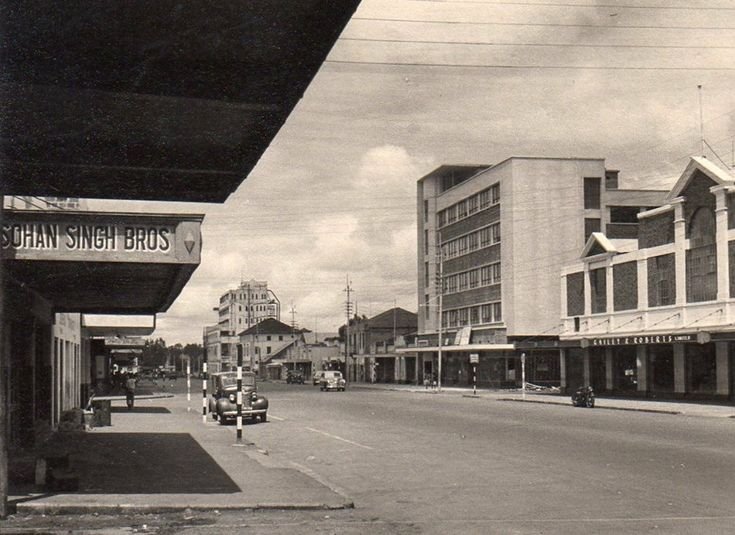
However, on the eve of independence in December 1963, Nairobi embarked on reclaiming her indigenous identify by replacing British colonial names with African ones that celebrated pride, history and heroes of the new nation.
Some of the streets that took up African names include: Delamere Avenue which changed to Kenyatta Avenue after Kenya’s first President Jomo Kenyatta, Hardinge Street which changed to Kimathi Street after Dedan Kimathi, the Mau Mau leader, and Government Road which changed to Moi Avenue after Kenya’s second President Daniel Moi.
Sadler Street changed to Koinange Street to honor Chief Koinange wa Mbiyu, a prominent Kikuyu leader who defied colonial rules.
Additionally, Austin’s Road changed to James Gichuru Road one of Kenya’s top political figure, first Finance Minister and a key KANU leader, while Bazaar Street changed to Biashara Street.
Colonial streets ended up being complemented by colonial statues and monuments, such as the statue of King George and Queen Victoria.
The unveiling of Queen Victoria’s monument, according to researchers was held in Jeevanjee Park, which was named as such after prominent Indian businessman Alibhai Mulla Jeevanjee. It was Jevanjee who donated the monument in allegiance to the British colonial government and the monarchy.
Later, monuments to celebrate Kenyan heroes were erected around the town, including those of Tom Mboya and Dedan Kimathi.
Mitchell Park along Ngong Road was named in honour of Sir Phillip Mitchel, one of Kenya’s Governor during the colonial period and was renamed to present Jamhuri Park.


