
Kenya’s tea sector is facing growing uncertainty as global trade disruptions linked to the Iran war begin to bite, with exporters counting heavy losses and experts warning that the industry must act fast or risk deeper economic fallout.
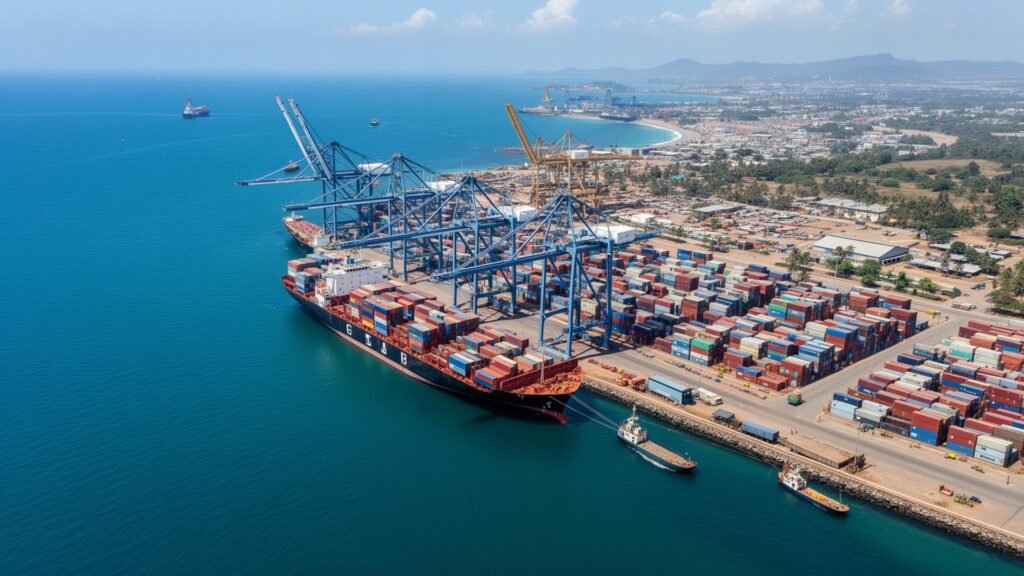
More than eight million kilogrammes of tea are currently stuck at the Port of Mombasa, with losses already surpassing Sh3.1 billion. The delays have been triggered by instability along key international shipping routes, leading to slower cargo movement, rising freight costs, and uncertainty among buyers.
Why the Iran War Is Disrupting Tea Exports
The ongoing conflict has interfered with major maritime corridors, forcing shipping companies to reroute or delay cargo. For Kenyan exporters, this has translated into longer delivery timelines and increased operational costs.
The bottlenecks have not only slowed exports but also disrupted cash flow for companies that rely heavily on timely shipments. With tea being a perishable commodity in terms of market timing and demand cycles, delays risk eroding competitiveness in global markets.
Why Experts Say the Industry Must Act Faster
According to Project Management Institute Sub-Saharan Africa Managing Director George Asamani, the real problem lies in the gap between strategy and execution.
“For instance, tea companies in Kenya need to think of alternative markets for their teas, especially where delivery will be faster and have less hurdles,” he said.
Asamani noted that while many business leaders acknowledge the need for agility, a significant number have failed to implement meaningful changes. He cited global findings showing that although most executives recognise the importance of adaptability, many organisations still lag behind in taking decisive action.
“The challenge is not recognising change and the need to adapt faster, but rather the conversion of strategy into action,” he added.
Why Africa Is Emerging as a Strategic Alternative
Experts are now urging Kenyan exporters to turn their focus toward regional markets within Africa, where trade routes are shorter and less exposed to global geopolitical shocks.
Asamani emphasised the need for a shift in thinking, calling on industry players to explore opportunities closer to home.
“Kenyan tea exporters must start thinking about the African market more and lobby for policies that will reduce transportation costs intra-Africa,” he said.
Such a move, analysts say, could help cushion the sector from external disruptions while unlocking new demand across the continent.
Why Enterprise Agility Is Now Critical
The crisis has brought renewed attention to the concept of enterprise agility, which focuses on building organisations that can respond quickly to change without losing strategic direction.
Business leaders argue that agility is no longer optional. Kevin Nolan warned that companies that fail to adapt risk falling behind in an increasingly dynamic environment.
“Agile organisations adapt faster and take the lead, while those not embracing agility risk falling behind,” he said.
Similarly, Sagar Kochhar stressed that leadership plays a central role in navigating disruption.
“Enterprise agility is not a transformation initiative but a leadership mindset required to continuously reinvent vision, structure and execution in a volatile world,” he noted.
Why the Stakes Are High for Kenya’s Economy
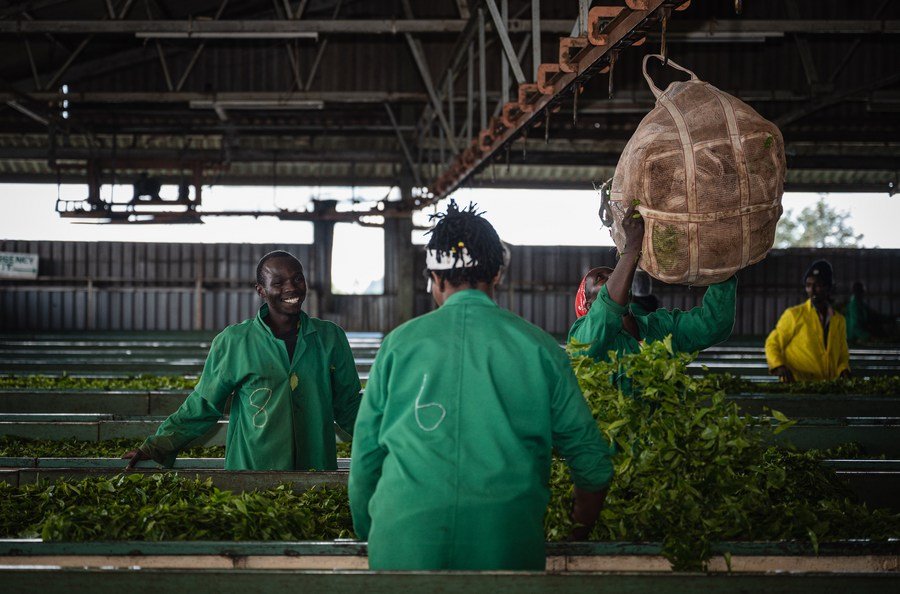
Tea remains one of Kenya’s leading foreign exchange earners, meaning prolonged disruptions could have far-reaching consequences beyond the sector itself.
Export delays, revenue losses, and rising costs could ultimately lead to reduced earnings and potential job losses if the situation persists. The current crisis is therefore not just a challenge for tea companies, but a broader economic concern.
As global uncertainty continues, the pressure is now firmly on Kenyan tea firms to adapt quickly, diversify markets, and rethink their strategies in order to remain competitive in a rapidly changing trade environment.

