



Deputy President Kithure Kindiki has called on Kenya and African countries to invest heavily in locally generated data systems, arguing that accurate and context-specific information will be central to development, economic planning and public service delivery in the future.
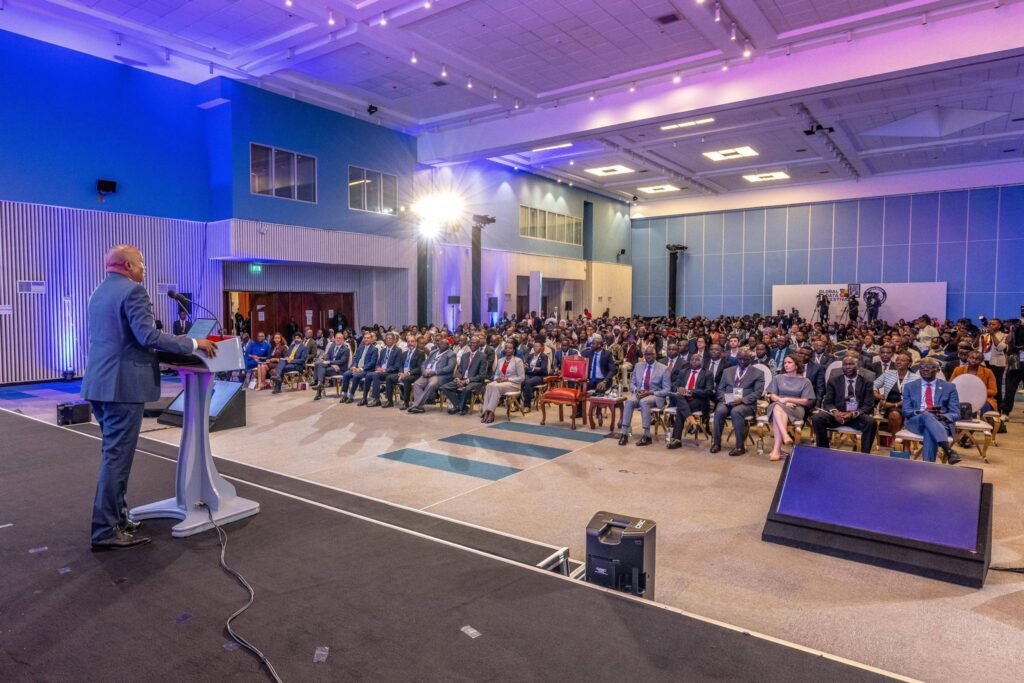
Speaking on Tuesday while opening the Global Data Festival and the Kenya Space Expo and Conference in Nairobi, Kindiki said data has become an indispensable resource in addressing some of the world’s most pressing challenges, including agriculture, climate change, disaster management and environmental monitoring.
“Data has become crucial for better agriculture, climate adaptation, disaster risk management, land use management, environmental monitoring and an array of other important sectors,” Kindiki said.
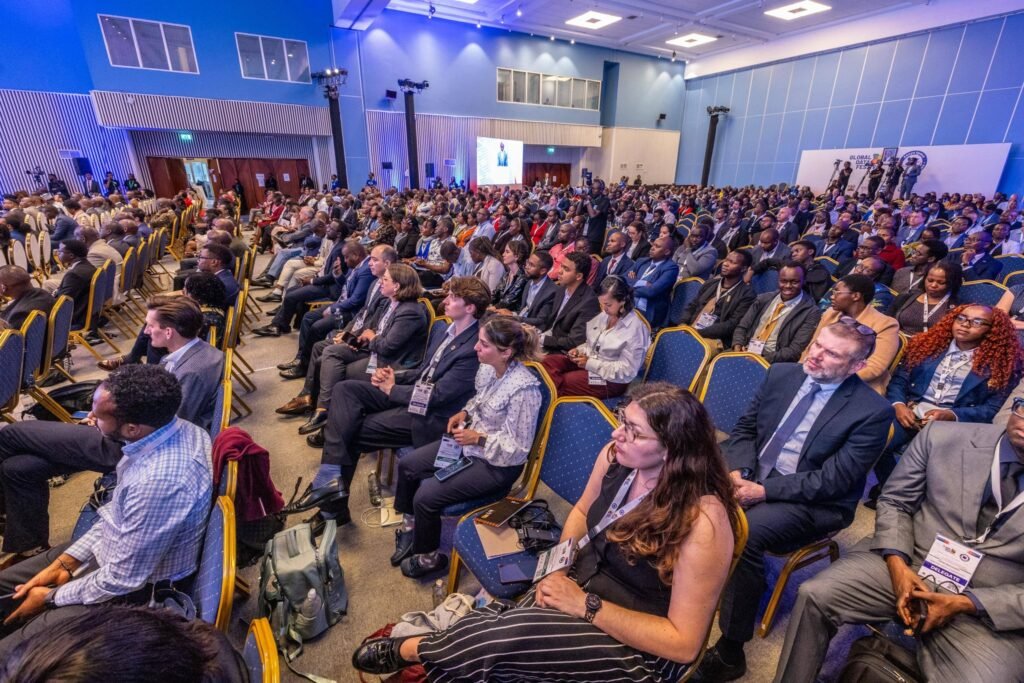
The event brought together more than 1,000 delegates from 65 countries, including representatives from governments, international institutions, academia, civil society organisations, data-focused institutions and development practitioners.
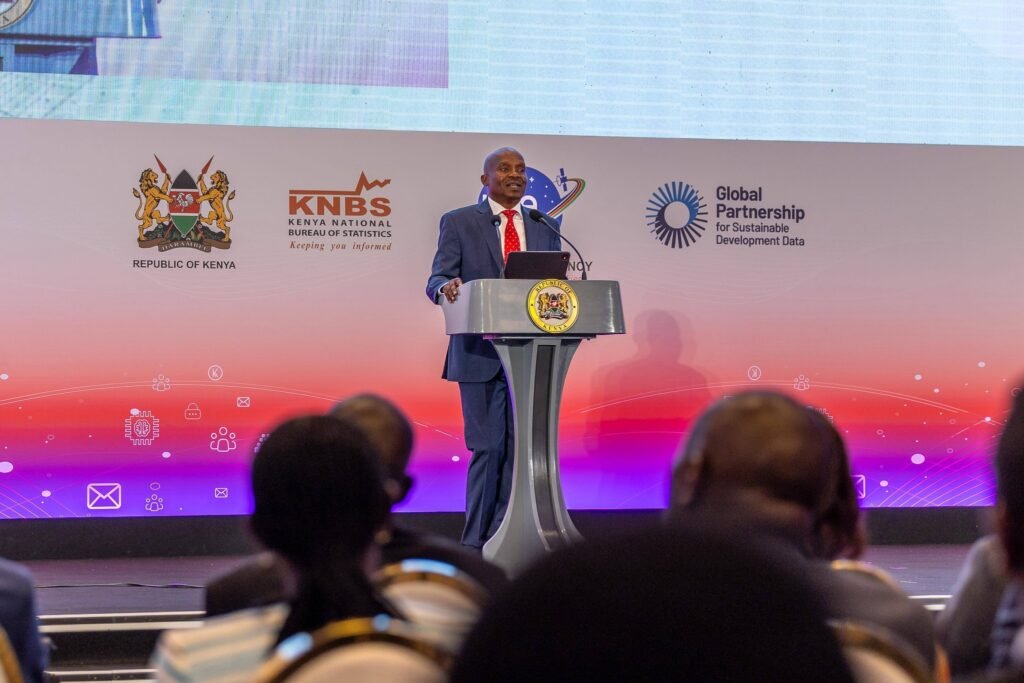
Data to Drive Future Development
The Deputy President noted that future development efforts will increasingly depend on the ability of countries to generate reliable and locally relevant data that can guide policy decisions and investment priorities.
“Into the future, development will increasingly depend on production of accurate locally relevant data, and the use of that data to make better decisions, to finance the right priorities and to tackle the most pressing local and global needs,” he said.
According to Kindiki, access to quality information enables governments to identify development gaps, allocate resources effectively and improve service delivery across critical sectors.
He observed that data plays a vital role in ensuring that investments reach communities where they are needed most, whether in healthcare, education, infrastructure or agricultural development.
“Quality data helps to plan development interventions directed at service delivery points: at the health centre where medicine is dispensed, at the school where teachers and equipment converge to support education, or at the road construction site where a road is being built to connect farmers and traders to markets,” he said.
Call for Africa to Reduce Data Dependency
Kindiki also challenged African countries to strengthen their capacity to collect, process and analyse their own data rather than relying heavily on information generated outside the continent.
He warned that excessive dependence on externally produced datasets can sometimes result in policies that fail to adequately reflect local realities and development needs.
“Kenya and Africa must invest in capabilities for generation of its own data and limit consuming intelligence from externally produced data that is often insensitive to local realities,” he said.
The Deputy President described data infrastructure as a strategic national asset that should be treated with the same importance as physical infrastructure such as roads, railways and energy systems.
Financing National Data Systems
To strengthen data sovereignty, Kindiki called for innovative financing mechanisms to support the development and maintenance of national data systems.
He urged governments across Africa to prioritise funding for data infrastructure while ensuring that development partner support aligns with country-led priorities.
“To avoid data dependency, Kenya and Africa ought to develop innovative ways of financing national data systems as part of core national infrastructure and align development partner support to country-owned systems,” he said.
His remarks come at a time when governments across Africa are increasingly embracing digital technologies, satellite-based monitoring systems and data-driven policymaking to address development challenges and accelerate economic transformation.
Kenya Positions Itself as Regional Data and Innovation Hub
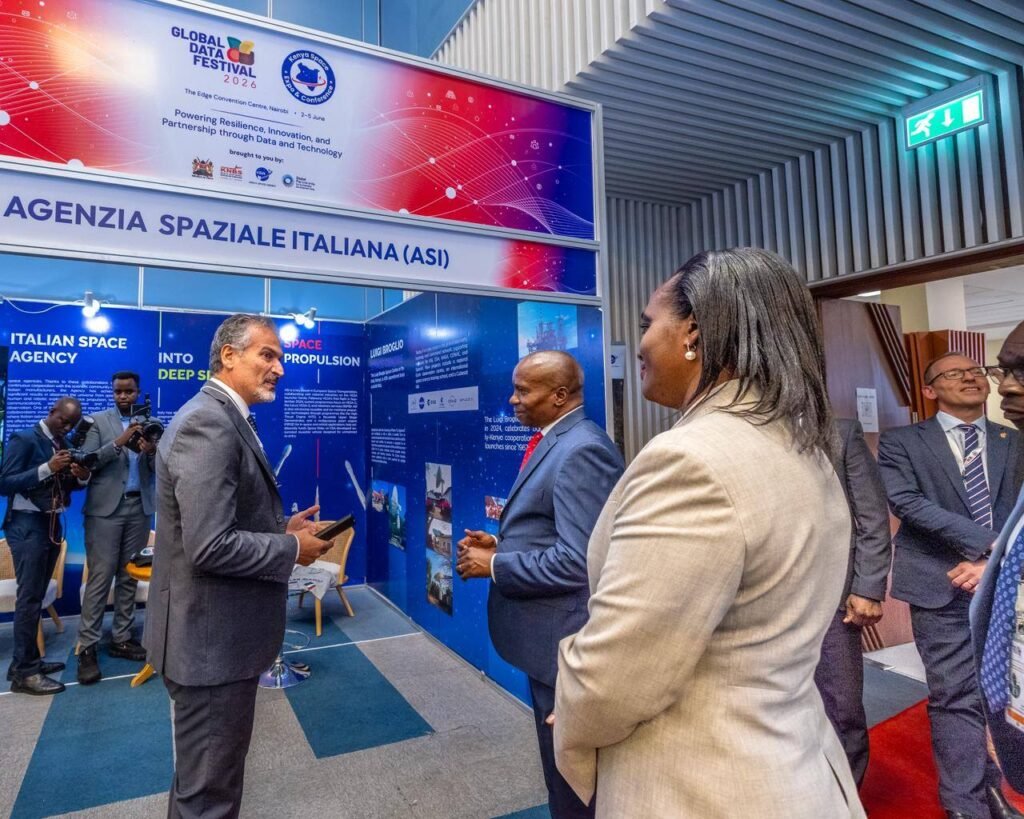
The Global Data Festival and the Kenya Space Expo and Conference are expected to showcase emerging technologies and innovations shaping the future of data collection, analysis and decision-making.
The gathering has attracted policymakers, researchers, technology experts and development partners seeking to explore how data can be leveraged to improve governance, strengthen resilience and drive sustainable development.
By hosting the event, Kenya is positioning itself as a regional leader in data innovation, digital transformation and evidence-based policymaking.
As governments worldwide place greater emphasis on data-driven development, Kindiki maintained that Africa must invest in its own capabilities to ensure that decisions affecting its people are informed by accurate, locally generated and contextually relevant information.


