



As the country begins to steady its gaze toward the 2027 general elections, the education sector in Tharaka Nithi County is taking proactive steps to safeguard peace, cohesion, and student discipline. In a timely and strategic move, patrons and teachers representing roughly 16 secondary schools gathered at Chuka Boys High School for an intensive Amani (Peace) Club capacity-building workshop.
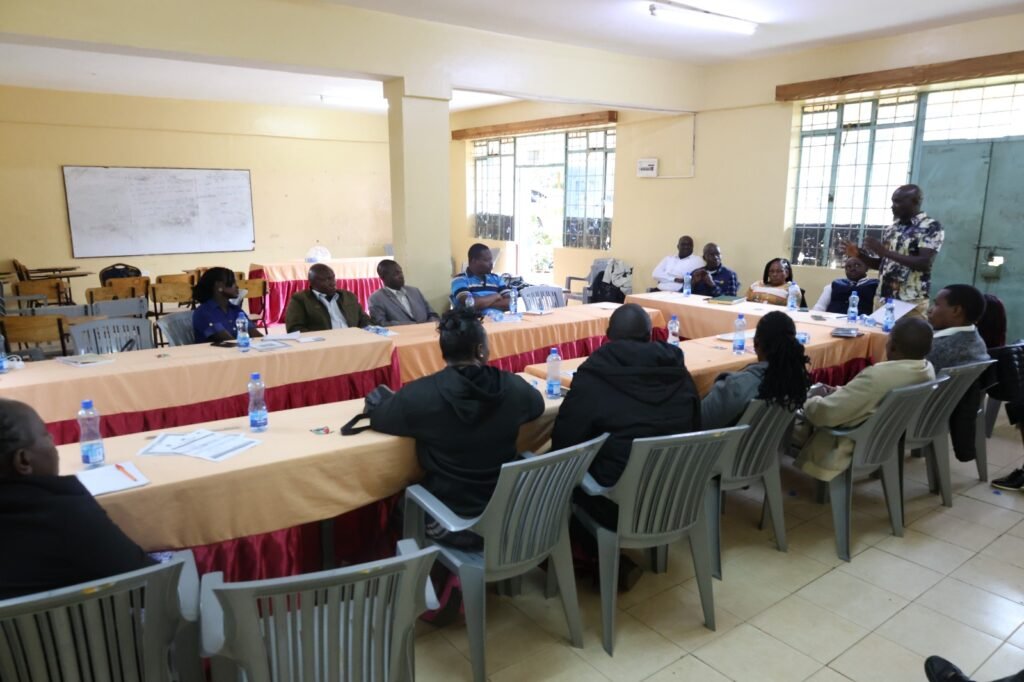
The training focused heavily on equipping teachers with the structural and emotional tools necessary to foster harmonious environments within their schools and, by extension, the surrounding communities.
Driving the Vision: Why Amani Clubs matter
Amani Clubs are a national initiative originally established in 2014 through a joint framework between the National Cohesion and Integration Commission (NCIC) and the Ministry of Education. They were conceived to plant early seeds of tolerance, curb negative ethnic tendencies, promote Alternative Dispute Resolution (ADR), and actively involve the youth in peacebuilding before they transition into the wider society.
Addressing the educators, the Amani Clubs County Coordinator, Mr. Arthur Gichane, underscored the urgency of the moment. He emphasized that the county is currently executing an aggressive recruitment drive and a structural revamping of the clubs across all schools. This initiative serves as a frontline defense against potential political incitement and lawlessness as election cycles approach, turning students into active peace ambassadors rather than targets for political exploitation.
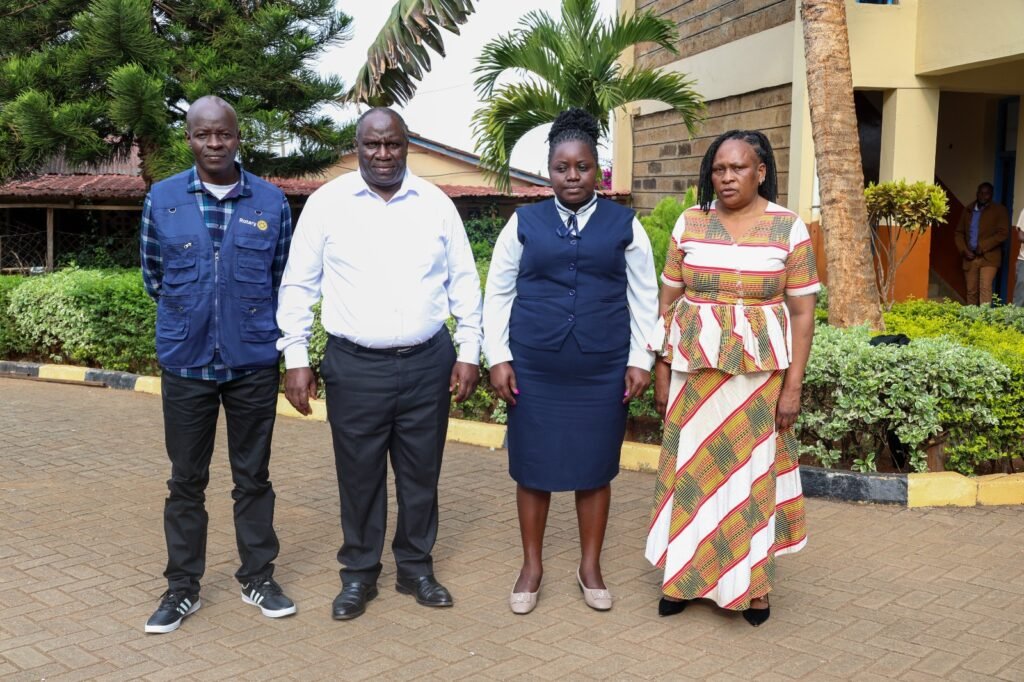
Leadership Insights: Keynotes from the host principal and QASO
The seminar featured crucial guidance from key administrative figures who interact directly with school management and curriculum standards:
Mr. Murithi (Host Principal & Amani Club Tharaka Nithi County Patron): Speaking passionately from his dual vantage point as a veteran school head and the county’s club patron, Mr. Murithi highlighted the transformative power of peace structures inside the school gates.
“When we cultivate peace inside the school gates, we directly dismantle the seeds of indiscipline. A vibrant Amani Club transforms the student culture from within—we see a distinct reduction in bullying, truancy, and unrest because peer-led resolution teaches personal responsibility better than any administrative threat can.”
He challenged the attending teachers to move beyond the theory of peace education and establish practical structures, like “peace corners” or peer mediation councils. By empowering students to solve their own minor disputes, he noted, schools create a self-sustaining culture of personal responsibility.
Md. Florida Mwende (Quality Assurance and Standards Officer, Chuka North Sub-County): Officially opening and closing the workshop, Madam Florida brought a strong structural and compliance perspective to the discourse. She affirmed that peace and stability are the foundational bedrocks of academic excellence. The QASO lauded the initiative, noting that a school in turmoil cannot meet national curriculum standards or post positive exam results. She strictly charged the 16 institutional representatives to ensure that the knowledge gained is actively implemented upon their return, vowing that her office would monitor the revitalization of these clubs as part of ongoing quality assurance routines.
A Multi-Sectoral approach to peace
The workshop also benefited from a robust line-up of external facilitators, highlighting that peace is a collaborative effort:
Mr. Mtambo (National Police Service): Provided vital insights into security awareness, advising teachers on how to spot early signs of radicalization, drug abuse, or external incitement among students.
Madam Christine (Mediator, Chuka Law Courts): Conducted practical sessions on basic mediation techniques, illustrating how alternative dispute resolution mechanisms used in the judicial system can be scaled down effectively for high school students.
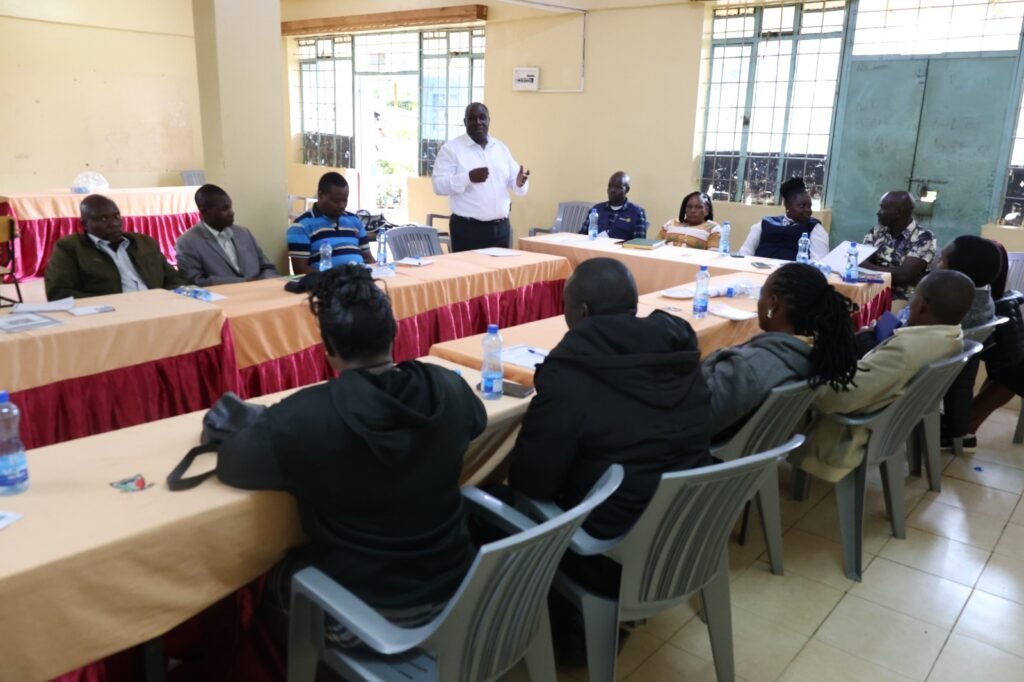
A United Front
With 16 schools fully represented, the Chuka North Sub-County training marks a significant milestone in regional cohesion efforts. By empowering teachers to steer the youth toward dialogue over confrontation, Tharaka Nithi is laying a solid foundation for a peaceful academic environment and a unified nation as 2027 draws closer.


