
A major road project in Baringo County is opening up previously underserved communities to markets, tourism and essential services as the government pushes to improve connectivity across Kenya’s hinterland.
The 81-kilometre Kasoiyo–Riwo–Seretunin–Talai–Kasisit–Kipcherere–Kampi ya Samaki road is being upgraded to bitumen standard alongside performance-based maintenance, with heavy earthworks and tarmacking underway along sections of the route.
Interior Principal Secretary Dr Raymond Omollo said the project reflects the economic potential that can be unlocked when rural communities are connected to reliable transport infrastructure.
“Kenya’s hinterland holds immense untapped economic potential and unlocking it requires infrastructure that connects people, markets and essential services,” Omollo said.
The project was launched by President William Ruto in October 2025 and is being implemented by the Kenya Rural Roads Authority (KeRRA). It had previously stalled at Seretunin Centre before the government revived the project.
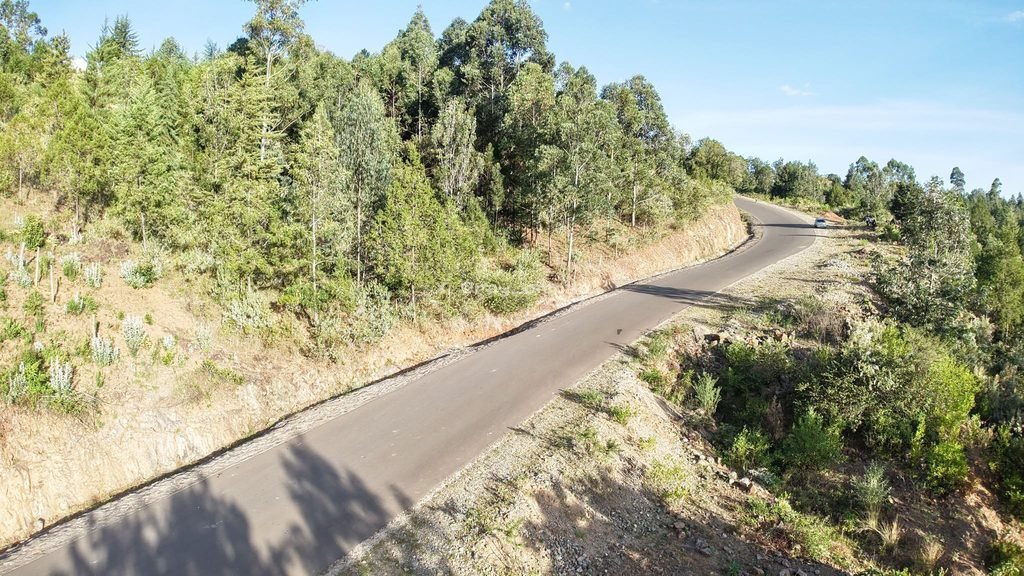
Road to strengthen Baringo’s economic links
Once complete, the corridor will connect parts of Baringo Central and Baringo North, improving movement between communities and reducing the difficulties residents face when travelling to major towns and service centres.
Omollo said the project is expected to transform the corridor into an important economic link for the county.
“Once complete, the road will serve as a vital economic corridor linking Baringo Central and Baringo North,” he said.
The improved road is expected to make it easier for farmers and livestock keepers to move agricultural produce and animals to markets, potentially reducing transport costs and post-harvest losses.
It will also improve access to schools and health facilities, shortening journeys for residents seeking essential services.
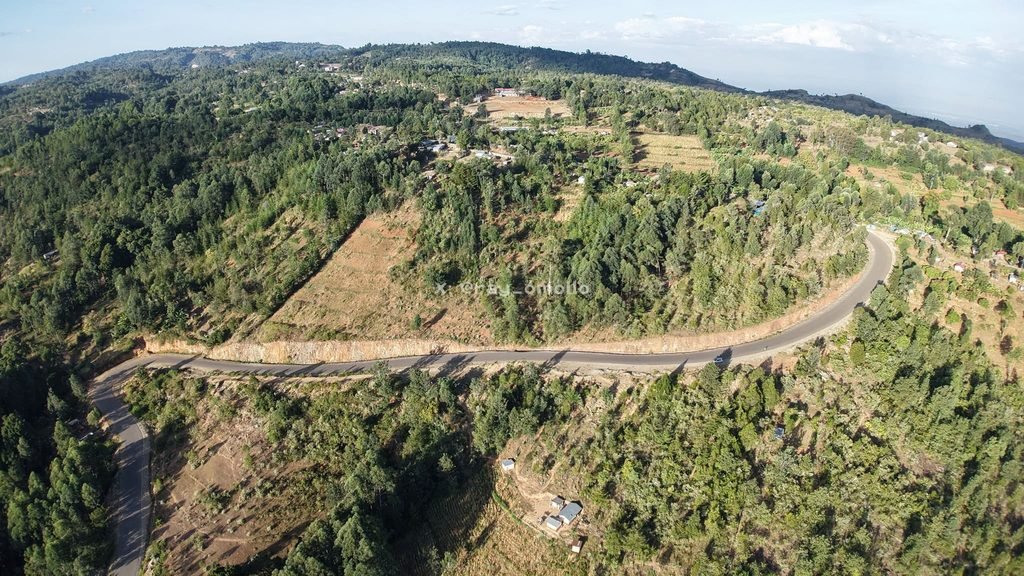
Tourism gets a boost
The road is also expected to strengthen Baringo’s tourism potential by improving access to Lake Baringo, conservancies, hotels and other attractions.
Omollo said better connectivity would create opportunities beyond transport by allowing tourism and hospitality businesses to reach more visitors while enabling communities along the corridor to participate more fully in the local economy.
“The upgraded corridor will open easier access to Lake Baringo, conservancies and hotels, facilitate the movement of livestock and agricultural produce to markets and shorten journeys to hospitals and learning institutions,” he said.
The project could consequently stimulate local enterprise as improved mobility increases movement of visitors, traders, farmers and service providers.

Connectivity and security
For the State Department for Internal Security and National Administration, the benefits of the project extend beyond economic activity.
Omollo has previously linked road infrastructure to governance and security, arguing that poor connectivity can isolate communities and create spaces where criminal networks can operate. “Where roads do not reach, governance struggles to follow,” he has said.
In Baringo, the improved road is expected to support safer movement of people, goods and emergency services while strengthening access to government institutions.
Omollo said reliable connectivity is essential to safe mobility and effective service delivery.
“The improved road will enhance road safety, ease access to government services and institutions and strengthen the movement of people, goods and emergency services across Baringo County,” he said.
As construction advances, the 81-kilometre corridor is emerging as more than a transport project. It is expected to become a link between communities, markets, tourism destinations and public services, giving Baringo’s hinterland a stronger platform for economic growth.


