
- Nearly 3 in 10 public secondary schools facing closure due to under enrollment
- About 10 secondary schools closed already due to lack of learners
- Heads say delayed capitation and lack of enough resources crippling education
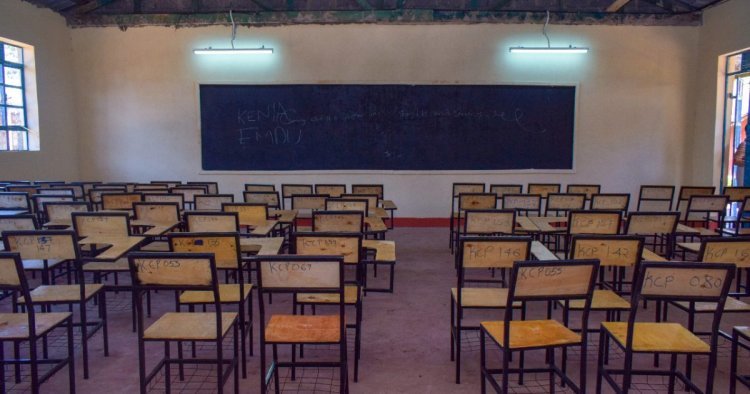
Nearly three in 10 public secondary schools in Kenya are facing a sustainability crisis over low enrolment with government considering closing down over 2000 schools to curb wasteful spending, new findings from the Ministry of Education show.
The data shows that nearly 28 percent of the country’s 9605 public secondary schools were operating below viable enrolment levels of less than 150 students, threatening their efficiency and financial sustainability.
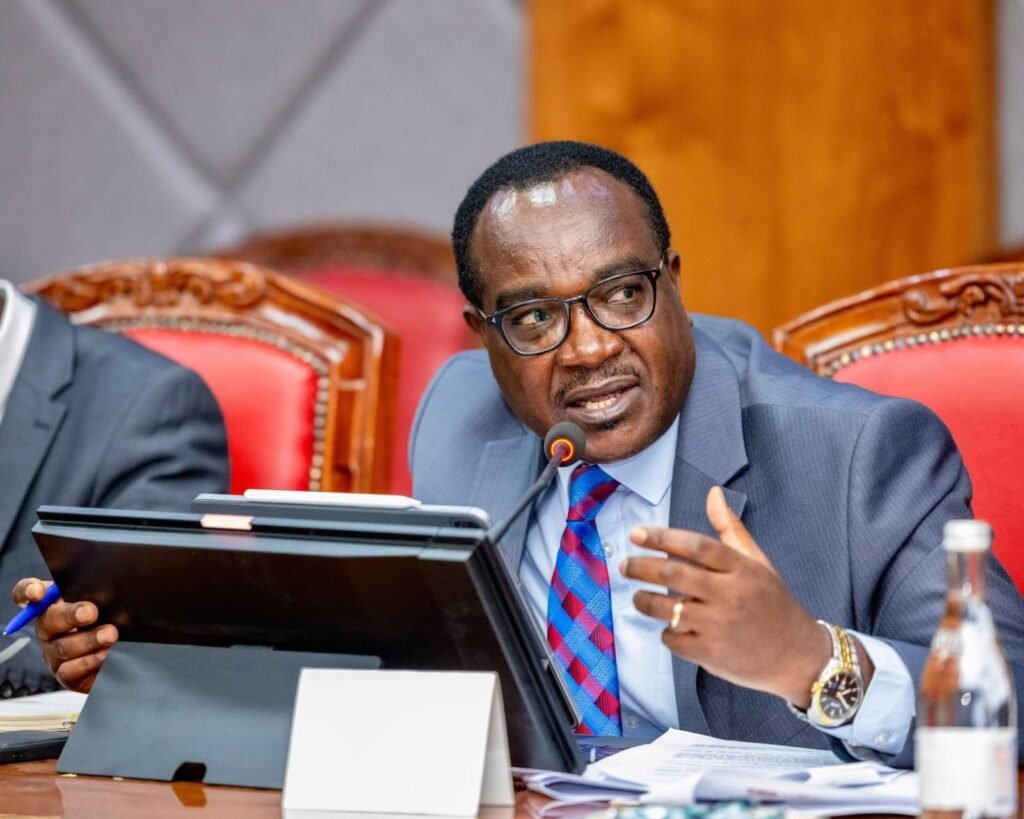
The findings that put 2700 schools at the risk of closure, shared by the Head of the Directorate of Secondary education Dr William Sugut, raise concern on whether under-enrolled schools were delivering value for public funds, at a time when Kenya prepares to roll out the Senior phase of the Competence-Based Education system.
Read more: https://topnews.ke/kmtc-students-to-access-helb-funding-says-kindiki/ : https://topnews.ke/expect-kjsea-results-on-december-11-senior-school-placement-before-christmas-ps-education/
Education CS Migos Ogamba early last month in Parliament revealed that a total of 10 secondary schools had been closed down for having no learners.
They are Kiria Secondary, Dr Mashage Moheto, Ragia Forest High School, Mugwandi Mixed School and Friends Bulovi in Nyandarua, Migori, Kiambu, Kirinyaga and Kakamega respectively.
Others were Loiwat High School, Ngamba School, Sintakara Secondary, Maji Mazuri Mixed Secondary and Fr Leo Staples Girls in Baringo, Murang’a, Narok, Baringo and West Pokot counties respectively.
“We are, as a Ministry, keen to clean out data and make sure that all resources allocated to us are utilized for the right purpose and in an accountable manner. Our aim is to ensure the resources we ask for and the decisions we make on use of these resources are based on accurate and verifiable data,” CS Ogamba told MPs then.
School Capitation
The Ministry received Sh10.3 billion as capitation funds for Secondary schools in third term, with Sh10 billion disbursed to 9540 schools, benefiting 3.2 million learners, according to the CS.
The recent development shows that many of the schools may have been established without long-term planning and sustainability plans, making it hard to progressively attract learners.
Low enrolment has contributed to a maldistribution of teachers and a deepening staffing crisis. With many the under-enrolled schools located far from major towns, it has become difficult to deploy and retain qualified teachers in sufficient numbers.
Delayed disbursement of government’s capitation funds, Secondary school heads say, has crippled schools’ day-to-day operations and compromised quality of education.
Day secondary schools affected
Day Secondary schools suffer the most because they entirely depend on government capitation, Kenya Secondary Schools Heads Association (KESSHA) Secretary General Abdinoor Haji, recently said.
“Delayed funds make it difficult to pay suppliers, forcing school heads into constant hide and seek with creditors,” he said.
Stakeholders have called for a nuanced approach to the crisis. Dr John Mugo of Zizi Afrique Foundation says targeted staffing solutions, especially in Arid and Semi-Arid regions could help in building a sustainable and homegrown teacher workforce that will support CBE transition.
Proposals include merging small schools, activating teacher sharing across neighbouring schools and redesigning of roles.


