
A recent notice shared by the Kenya Maritime Authority (KMA), listing licensed seafarer recruitment and placement agents, has reignited public interest in seafaring jobs — and confusion around how these jobs actually work.
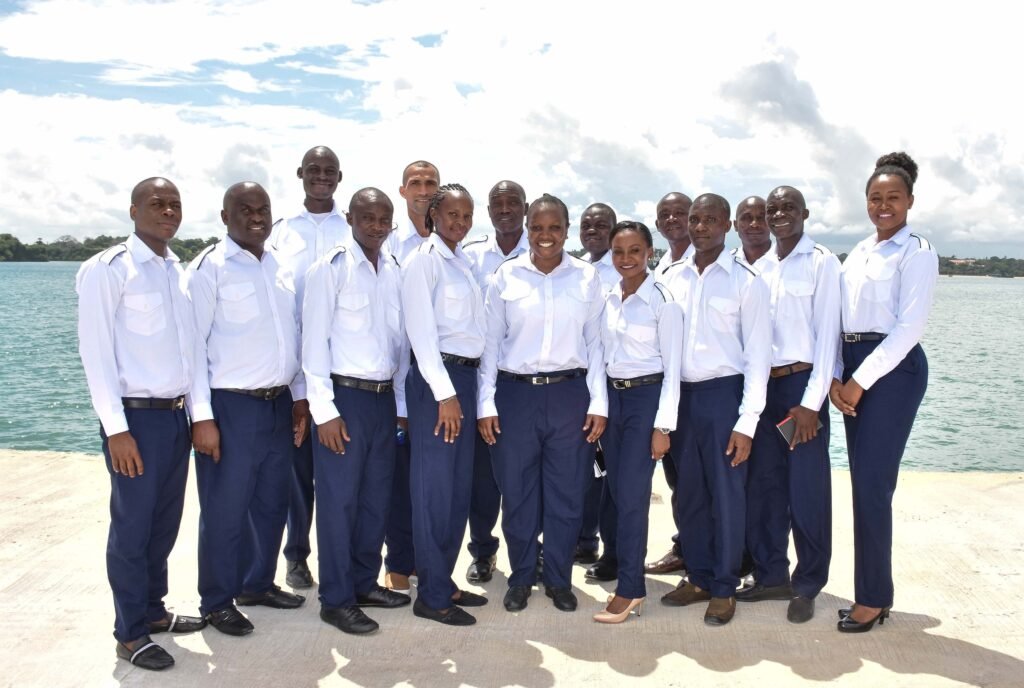
The graphic, warning job seekers to avoid unlicensed brokers, underscores both the opportunity and the risks in one of Kenya’s fastest-growing Blue Economy sectors.
What are Seafarers jobs and what do they involve?
Seafaring refers to employment aboard ships operating in local or international waters. Kenyan seafarers work on merchant vessels, oil and chemical tankers, cruise ships, fishing vessels and offshore support ships.
Jobs range from ratings such as deckhands, able seamen and engine room oilers to officers trained in nautical science and marine engineering. Contracts typically last between four and nine months, with long working hours, limited shore leave and extended time away from family.
According to KMA and global shipping data, demand for STCW-certified crew continues to rise. In 2026, Kenya is targeting the placement of thousands of seafarers annually as part of its Blue Economy strategy.
Earnings vary widely. Entry-level ratings earn between KSh 25,000 and KSh 60,000 per month, while experienced deck and engine officers on international vessels can earn the equivalent of KSh 300,000 to over KSh 800,000 monthly, depending on rank and vessel type.
Mandatory Requirements and Training Pathways
To work legally as a seafarer, candidates must meet international STCW (Standards of Training, Certification and Watchkeeping) requirements.
Minimum requirements include:
- Basic Safety Training (firefighting, survival at sea, first aid)
- A valid medical fitness certificate from a KMA-approved doctor
- A Seafarers Record Book (Discharge Book)
- A Seafarers Identification Document (SID)
- Minimum age of 16, though most international vessels require 18+
Training must be undertaken at KMA-accredited Maritime Education and Training (MET) institutions. These include Bandari Maritime Academy, Technical University of Mombasa, JKUAT, Kenya Coast National Polytechnic and selected private institutions. Since 2019, over 53,000 Kenyan trainees have undergone STCW-related certification, according to maritime sector data.
How Recruitment Is Done — and Where Scams Happen
Recruitment is strictly regulated. Kenyan law requires that all seafarer recruitment and placement be conducted only through KMA-licensed agents, such as those listed in the notice shared by KMA.
It is illegal for agents to charge recruitment or placement fees. Seafarers are only expected to pay statutory costs such as passports, medical exams and certification fees. KMA registers every engagement and discharge to protect workers’ contracts, wages and repatriation rights.
Despite this, KMA reports dozens of complaints annually involving fake cruise job offers, forged contracts and illegal middlemen — particularly on social media.
Why the Sector Matters
Seafaring is now a key source of foreign income. Estimates show Kenyan seafarers remit billions of shillings annually, while easing domestic unemployment among youth trained in technical skills.
With new international labour protections, including 2026 amendments targeting bullying and harassment at sea, authorities say the sector is becoming safer — but only for those who follow the legal route.
As the KMA warning makes clear, the opportunity is real, but so are the risks. For aspiring seafarers, verified training, licensed recruitment and patience remain the only safe way to enter life at sea.


