
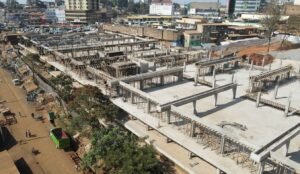


Locals in Mbeere, Embu County have hailed the ongoing Kamburu Dam water supply and distribution project as a lasting solution to perennial water shortages that have plagued the region for decades.
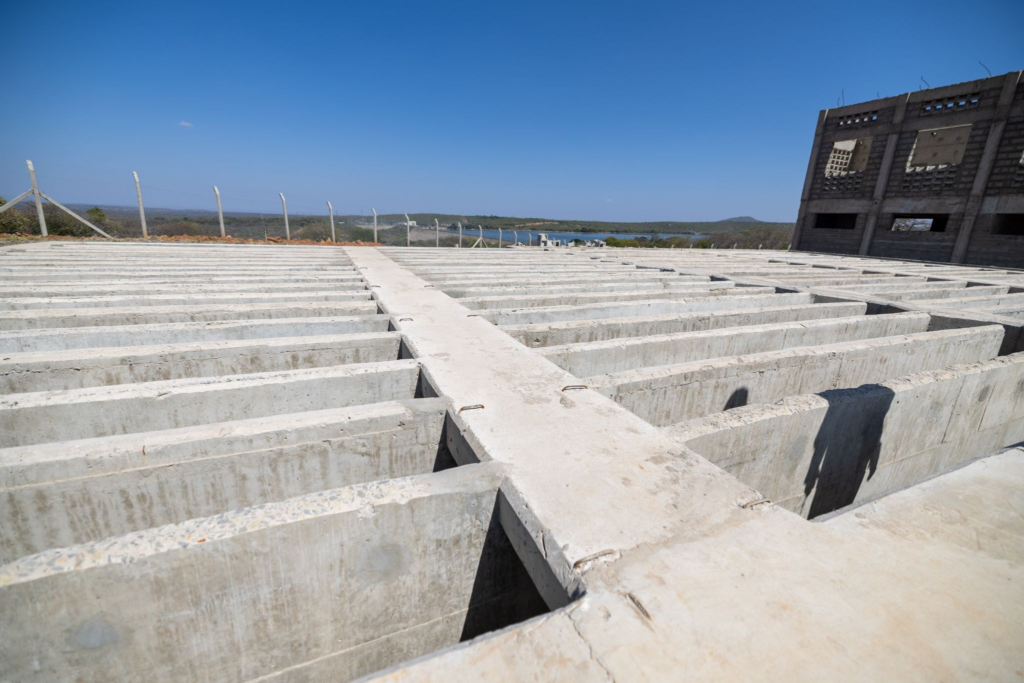
Although Kamburu Dam was built 52 years ago, locals say they have not enjoyed the benefit of hosting the mega dam but this is about to change with the construction of water intake and treatment plant edging towards completion.
Launched by President Ruto last April, the project ensures residents in Mbeere South access constant supply of clean water for domestic use and also for small scale irrigation, providing a lifeline to many households. The project is being implemented and supervised by Tana Water Works Development Agency (TWWDA).
Decades of water scarcity nearing an end
“Mbeere South has faced many water challenges in the past, where they face a lot of rationing, and the main supply comes from Ewasco, Embu Water and Sanitation Company,” said Eng. Bernard Njicha, who oversees the project on behalf of TWWDA.
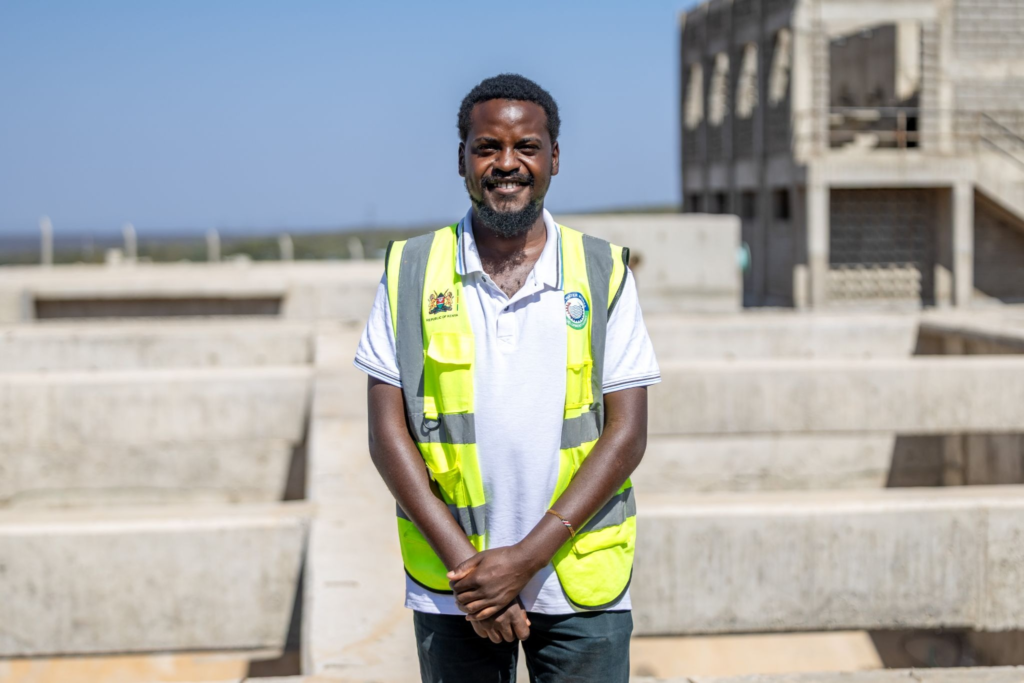
“The significance of this project is to solve that problem where they have a constant supply of water, of potable water, drinking water,” he said, adding: “There is an aspect of irrigation component where the Ministry of Irrigation will also pump water from the dam and also give it to the people for irrigation.”
“So, the people of Mbeere South will have both drinking water and irrigation water,” he affirmed.
Project details and expected impact
Eng. Njicha said the project comprises a floating intake in the dam, a water treatment plant and distribution out to the community. “The project will serve Mbeere South constituency, towards, Mbeti South ward and Mavuria ward. And the capacity of the treatment plant is 10,000 m3 per day,” said Njicha.
“It will serve approximately 100,000 m3 in its ultimate year. So, the majority of the work at the treatment plant is almost complete,” he explained, noting that it also boasts of a two-storey building, two flocculation basins, and sedimentation tanks and filtration tanks.
He said that the project will also serve Kiritiri Town where a major reservoir is being erected, so far, laying of pipes have covered 17 kilometres. “It is a pumped system, a hybrid system, where water will be pumped from the dam to the treatment works, then pumped again to a water reservoir near Kiritiri town,” he added.
Residents optimistic over improved livelihoods
Njue Njoka, 70, said that the region has experienced water crises since the colonial era, but maintained the ongoing project will go a long way in alleviating the problem. “I was born here, since the fifties, I have been staying here; since the time of the British, we have not had water to meet our needs here,” he said.
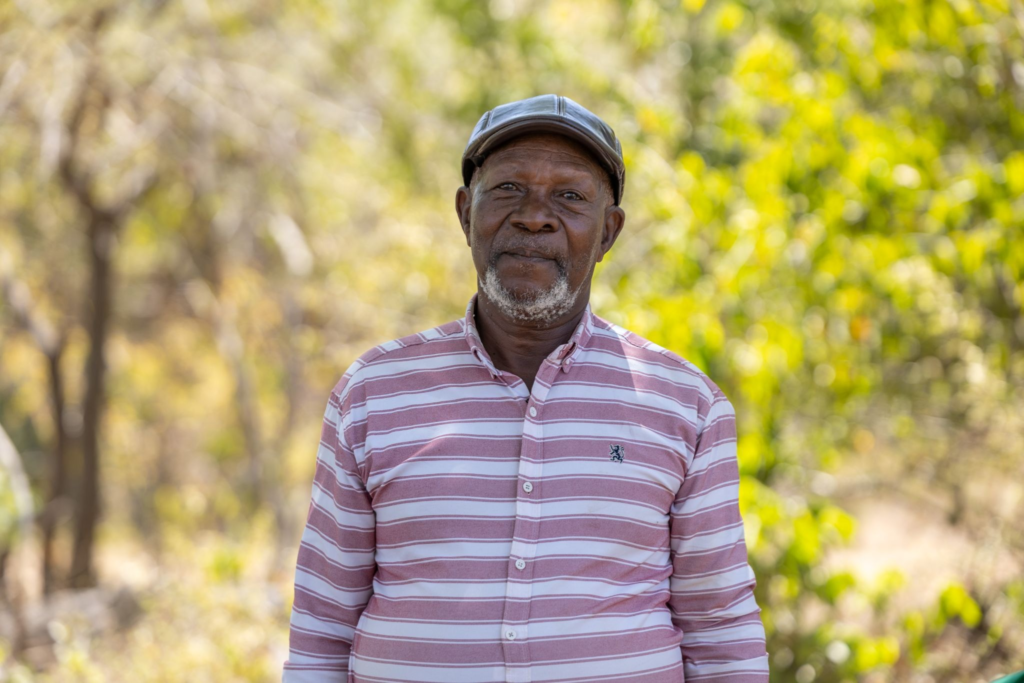
“But at this time, we can see the signs, piping has been done by this government and when this water reaches us, we will farm, we will drink, our schools, you also see children struggling,” he observed.
He said that seeing children carrying water in jerricans even when going to school over the years would soon be a thing of the past.
“When that child arrives at school, he is not only tired, not even listening to the teacher himself. But we thank our government for this project because our children will be able to focus on their studies,” he added. “We will be able to farm, you see, this is a dry place. Things like Sukuma wiki, we get it from Embu,” he explained further.
Roselyn Mwaniki said many women have suffered back problems over time for carrying water on their backs for long distances.
“I commend President William Ruto, together with his deputy, Prof. Kithure Kindiki for the good work; finally we are going to have water in our homes and women will not struggle with going to the river to fetch water,” she said.


