
The Kenyan Government has unveiled an ambitious clean energy initiative to solarise more than 3,200 public schools nationwide at a cost of Sh45 billion, marking one of the largest renewable energy interventions in the education sector.
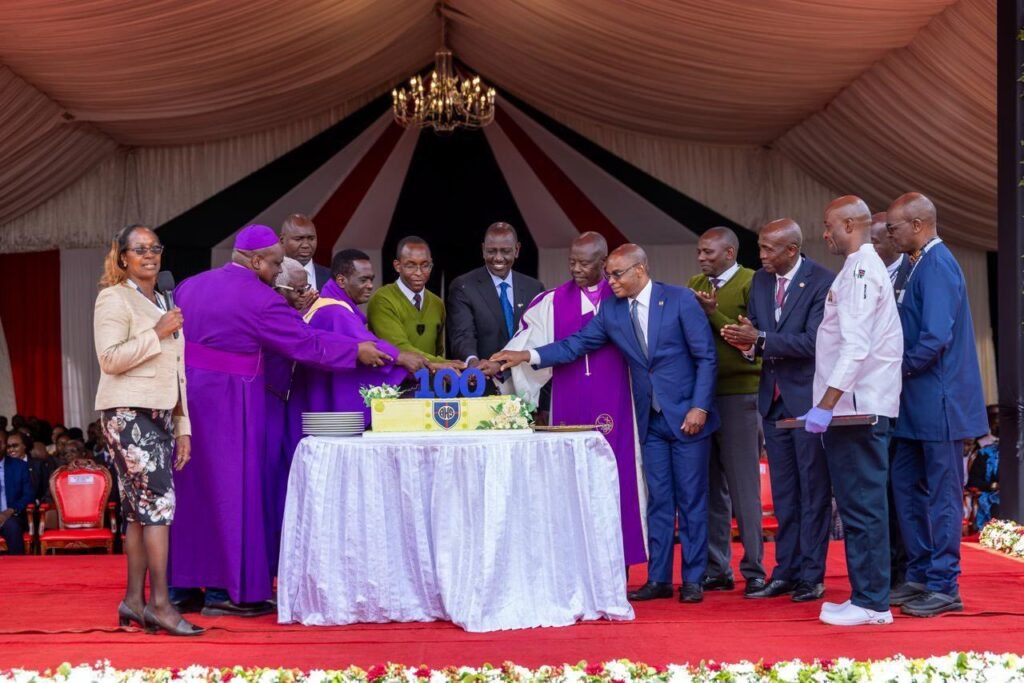
The programme was launched by President William Ruto during the centenary celebrations of Alliance High School in Kikuyu, Kiambu County on Sunday, March 1, 2026.
The initiative is part of the government’s broader climate action and energy sustainability agenda, aimed at significantly reducing reliance on traditional power sources and fossil fuels while cutting schools’ electricity costs and advancing clean technology adoption.
“We are deliberately beginning to reduce our carbon footprint and reduce our biomass,” President Ruto said, emphasising the importance of transitioning institutions from environmentally harmful energy sources to renewable solar power.
Scope and expected benefits of the solarisation project
According to official details, the programme targets 3,213 schools across the country, including primary and secondary institutions. The Ministry of Energy, in collaboration with the Ministry of Education and financial partners such as Kenya Commercial Bank (KCB), will oversee the rollout and financing of solar installations.
The solar systems are expected to generate up to 780 megawatts of power, reducing pressure on the national grid and allowing schools to use clean energy for lighting, cooking and other electricity needs. This shift is projected to substantially lower electricity bills, enabling schools to redirect funds to education-related activities, including infrastructure and learning resources.
Ruto highlighted that the initiative will also tackle deforestation caused by traditional fuel usage in schools, especially for cooking — a key contributor to environmental degradation in rural areas. “Beyond cutting electricity bills, this programme targets deforestation driven by schools relying on firewood,” he said.
Pilot phase and financing arrangements
The initiative builds on a pilot phase that successfully solarised around 266 schools, which helped demonstrate the feasibility and scalability of the project. These early installations are already contributing clean energy and savings at participating institutions.
Under the financing model, KCB is offering a credit facility with a 30% discount to support the solar rollout — a significant concession aimed at making solar systems more affordable for schools. According to Ruto, this kind of financing partnership is crucial to achieving the rapid nationwide rollout within the next year.
Efforts are also underway to ensure that surplus energy generated during school holidays is not wasted. The President directed the Ministry of Energy to purchase excess solar power, even at discounted rates, to provide additional revenue streams for schools. “Buy that energy even at a discount so that schools can have some resources to develop other infrastructure,” he said.
Environmental and educational impact
By equipping schools with solar power, the government expects to accelerate the adoption of clean energy, contribute to Kenya’s climate goals and reduce greenhouse gas emissions. The shift will also foster a more reliable learning environment, eliminating disruptions due to power outages and enhancing digital learning capabilities in rural and urban schools alike.
Education stakeholders have largely welcomed the announcement. Renewable energy advocates argue that the project aligns with global trends toward sustainable infrastructure in public institutions.
“This is a transformative step in not only powering our schools but also reinforcing Kenya’s leadership in climate action and renewable energy adoption,” said an energy sector expert who spoke on condition of anonymity.
Critics, however, will be watching implementation timelines and measures to ensure transparency, accountability and quality control throughout the rollout.
Looking ahead
With the official launch complete, implementation is expected to ramp up quickly, guided by cooperation between the national government, county administrations, private financiers and local communities.
If delivered as planned, the programme could set a precedent for public sector solarisation across Africa, showcasing how renewable energy can be harnessed to enhance both educational outcomes and environmental sustainability.
As the initiative unfolds, policymakers will also need to monitor maintenance, technical support, and community engagement to ensure that installed systems are sustainable and beneficial for learners, teachers and local economies.
Key Facts:
- Programme Cost: Sh45 billion
- Target Institutions: 3,213 public schools
- Expected Power Output: Up to 780 MW
- Pilot Phase: 266 schools already solarised
- Primary Aim: Reduce energy costs, fight deforestation, expand clean power access
- Lead Agencies: Ministry of Energy, Ministry of Education, KCB financing partnership
This nationwide solarisation initiative positions Kenya at the forefront of educational and renewable energy innovation in the region — a move that could transform how public schools operate well into the future

