
The Ministry of Health is pushing for an additional Sh2 billion from the National Treasury to fund the expansion of its maternity care programme targeting low-income women across the country.
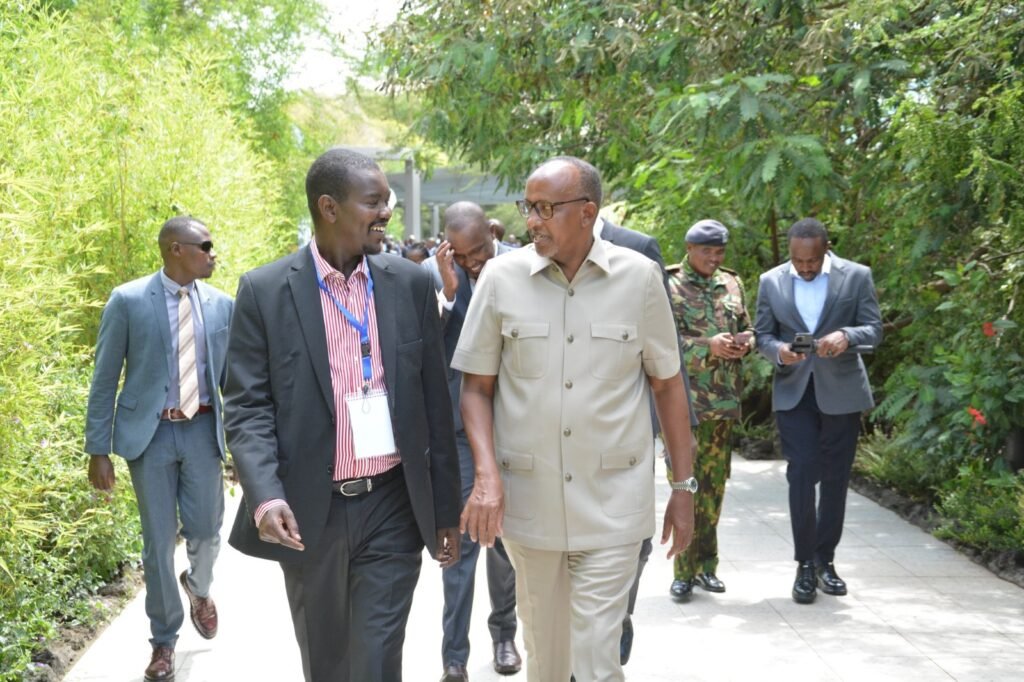
Health Cabinet Secretary Aden Duale made the appeal on Monday during a consultative meeting with Senators in Naivasha, noting that although Kenya has made steady gains in reducing maternal deaths, inequalities remain stark — particularly in underserved regions and Arid and Semi-Arid Lands (ASAL) counties.
Duale acknowledged that Kenya’s maternal mortality ratio has declined over the past decade due to increased facility-based deliveries, expanded skilled birth attendance and wider reproductive health interventions. However, he cautioned that progress has not been evenly distributed.
According to the Ministry, 26 counties continue to report disproportionately high maternal deaths, largely attributed to poverty, long distances to health facilities, weak emergency obstetric systems, teenage pregnancies and shortages of healthcare workers.
The proposed Sh2 billion injection, Duale said, would bridge financing gaps in maternal health services, strengthen referral systems and ensure no vulnerable woman is denied care because of cost barriers.
Under the government’s free maternity programme, more than 50,000 teenage mothers have already accessed free services in public health facilities, the CS revealed, describing the initiative as a critical intervention for at-risk groups.
SHA registration and funding pressures
Duale also provided an update on the Social Health Authority (SHA), stating that over 29 million Kenyans have been registered under the new national health financing framework. However, he disclosed that fewer than five million of those registered are consistently making contributions.
This imbalance, he said, has placed strain on the Sh142.8 billion collected over the past three years. So far, SHA has disbursed Sh105 billion to health facilities for services rendered, achieving a claims settlement rate of 73 per cent.
To stabilise the system, the Ministry is seeking an additional Sh5.9 billion to clear pending bills owed to healthcare providers for services delivered between October and January in the current financial year.
Duale further appealed to Senators to help address an Sh11.9 billion shortfall affecting the primary healthcare package, warning that the deficit threatens service delivery from local dispensaries to referral hospitals.
Fraud claims and recovery efforts
Responding to allegations that more than Sh11 billion had been lost within SHA, Duale dismissed the claims as misleading. He clarified that the figure refers to rejected claims flagged as fraudulent, undocumented or fake, rather than money lost.
Private health facilities accounted for the largest share of irregular claims at Sh7.4 billion, followed by county facilities at Sh2.6 billion. Faith-based institutions were linked to Sh1.4 billion in questioned claims, while national referral hospitals accounted for Sh1.1 billion.
To curb fraud, SHA has deployed artificial intelligence and big data-driven monitoring systems designed to detect impersonation, document forgery and suspicious billing patterns.
Duale disclosed that 1,118 case files involving suspected fraudulent officers and facilities have been forwarded to the Directorate of Criminal Investigations. Some former SHA executives are already facing court proceedings.
The Ministry has recovered Sh305 million through surcharges imposed on implicated facilities, while an additional Sh3.2 million has been recouped through alternative dispute resolution mechanisms conducted in partnership with the Office of the Director of Public Prosecutions.
County Performance and Health Sector Reforms
On registration performance, Duale commended Mombasa, Kisumu, Kiambu, Nakuru, Nairobi, Kirinyaga and Embu counties for leading in SHA enrolment. Nyamira, Samburu, Garissa, Marsabit and Turkana were cited as lagging behind.
Beyond health financing, the CS revealed that the national government has signed cooperation agreements with all 47 counties to facilitate the installation of modern diagnostic equipment. So far, Sh6.1 billion has been invested in the programme, aimed at decentralising specialised services and reducing costly referrals to national hospitals.
Duale also noted that Kenya is positioning itself as a regional vaccine manufacturing hub, with the World Health Organization expected to conduct final inspections of the country’s vaccine production capacity — a move that could significantly strengthen local pharmaceutical production and reduce reliance on imports.
Meanwhile, Senate Minority Leader Edwin Sifuna called for broader policy reforms to prevent recurring strikes that have paralysed public health services in recent years. He urged the Ministry to seal legal loopholes exploited in health fund fraud and to streamline reimbursement systems to ensure timely payments to hospitals.
As Parliament considers the additional funding requests, the debate is likely to centre on balancing expanded access to healthcare with accountability, sustainability and financial discipline within the country’s evolving health financing framework.

