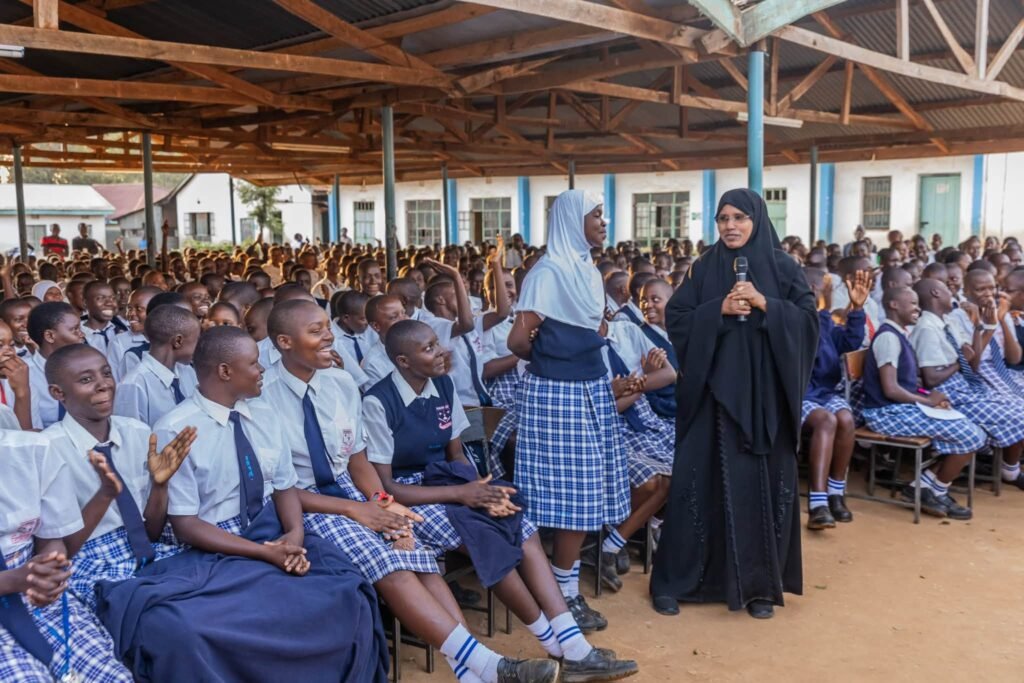
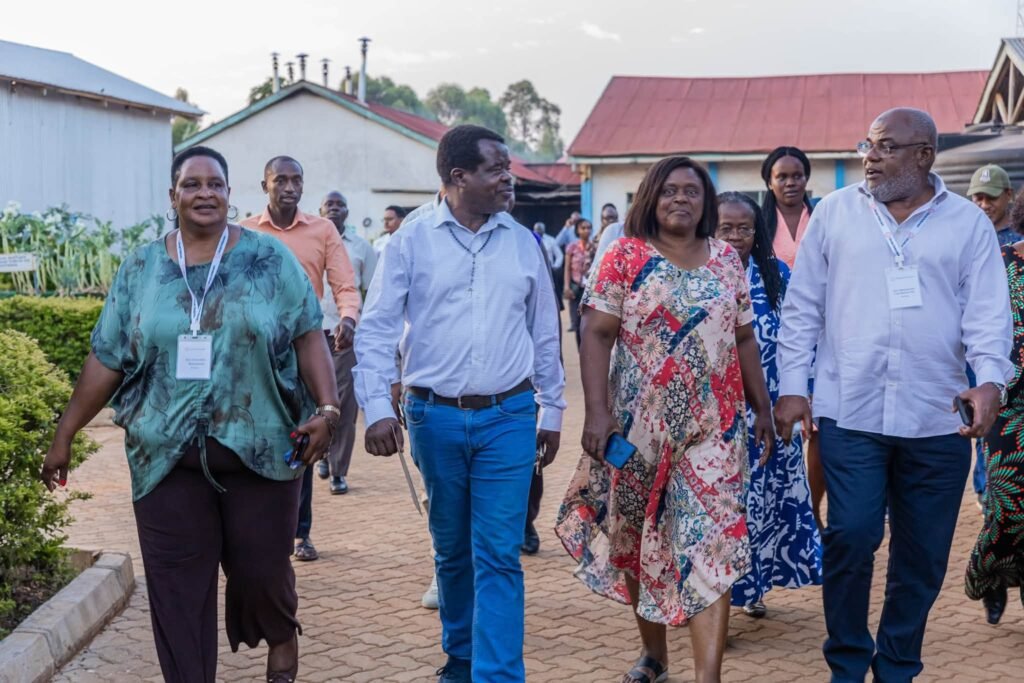
Members of Parliament attending the Kenya Parliamentary Green Investment Dialogue (GID) 2026 took a break from boardroom strategy last evening to witness a practical climate solution unfolding in Siaya County.
The lawmakers, joined by climate action experts and environmental stakeholders, conducted an extensive field site visit to Nyawara Girls Senior School to inspect an innovative hybrid clean cooking model that is dramatically shifting how large institutions manage energy.
The Numbers Behind the Switch
By integrating a specialized 300-litre electric cookstove alongside their traditional firewood setup, the secondary school has established a scalable blueprint for green institutional management. The financial and environmental impacts were immediately evident:
Old Termly Firewood Expenditure: Kes 200,000
New Termly Firewood Expenditure: Kes 110,000
Total Savings: Kes 90,000 per term (a 45% reduction)
The delegation, hosted by the area Member of Parliament, Hon. Elisha Odhiambo, acknowledged that accelerating clean cooking infrastructure in academic institutions is one of the most direct ways to reduce the country’s carbon footprint, curb aggressive deforestation, and limit greenhouse gas (GHG) emissions.
Balancing Sustainability and Cost
Hon. Odhiambo emphasized the urgent need for schools across Kenya to aggressively transition to clean energy alternatives. He noted that the operational shift does more than just protect neighboring forests—it keeps schools financially viable amid rising inflation.
“Because schools prepare high volumes of meals daily, replacing traditional firewood has not only significantly lowered atmospheric carbon pollution but also made running such schools cost effective,” Hon. Odhiambo noted.
As the Green Investment Dialogue 2026 wraps up its sessions in neighbouring Kisumu County, the success at Nyawara Girls Senior School stands out as a clear reminder that Kenya’s green transition is no longer just a policy discussion—it is actively saving money on the ground.