
Kenya’s latest agreements with China mark a significant shift in the country’s economic strategy, with the government targeting export growth, job creation, and industrial expansion through strengthened bilateral ties.
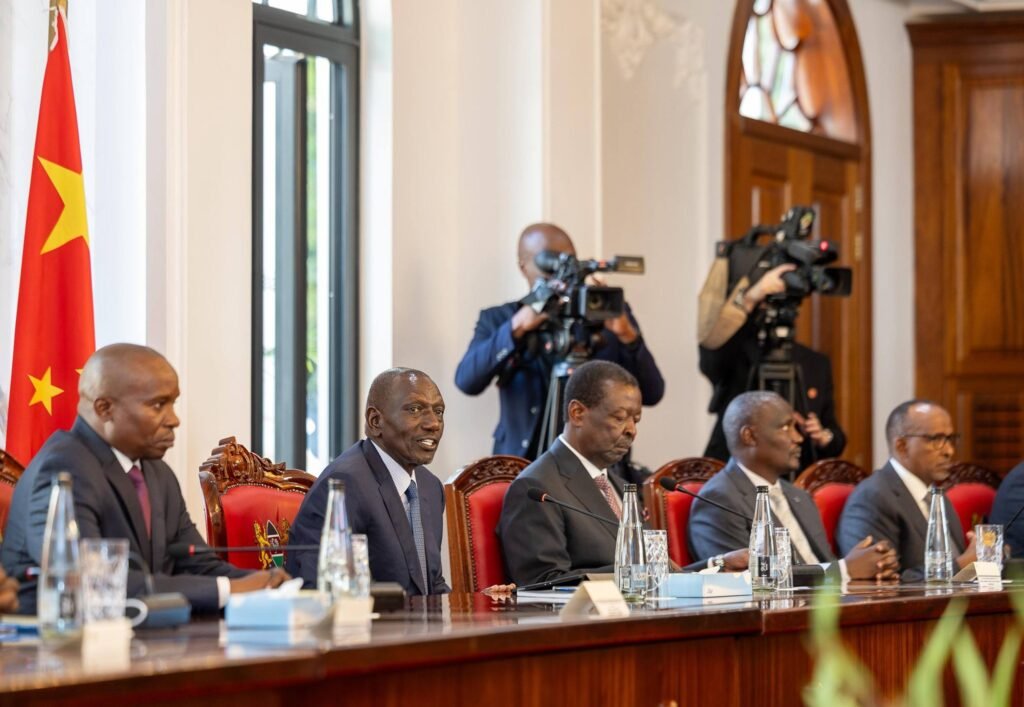
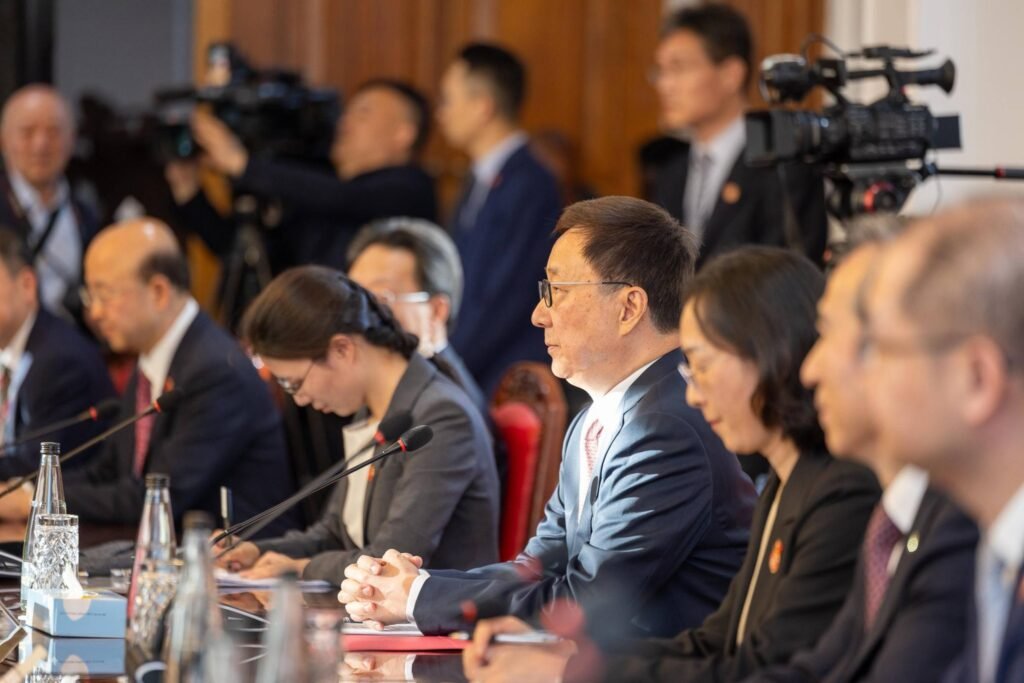
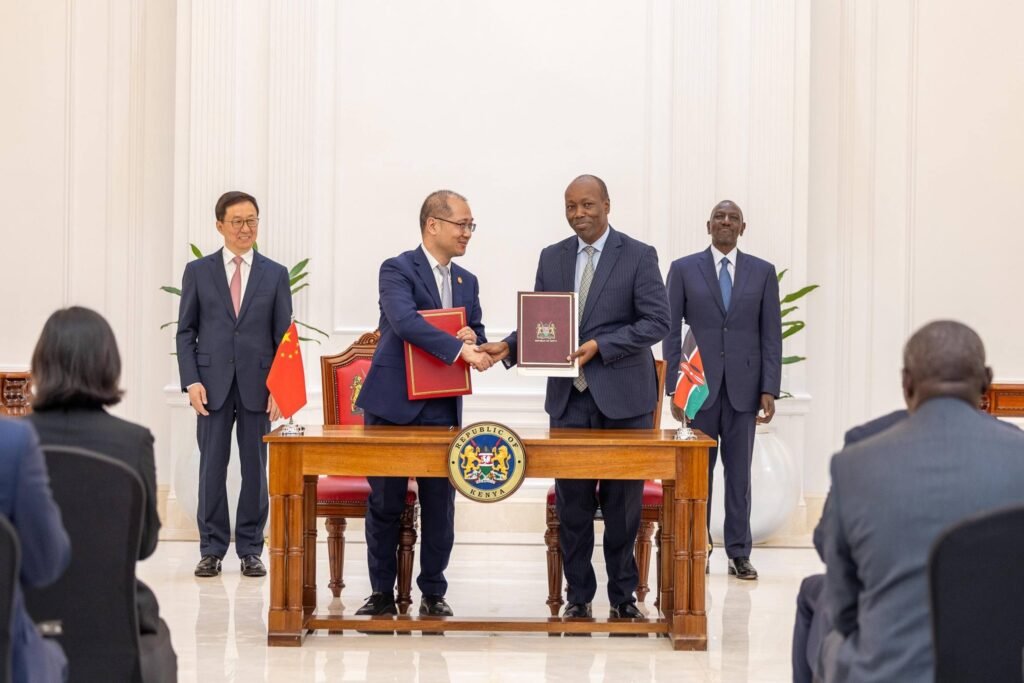
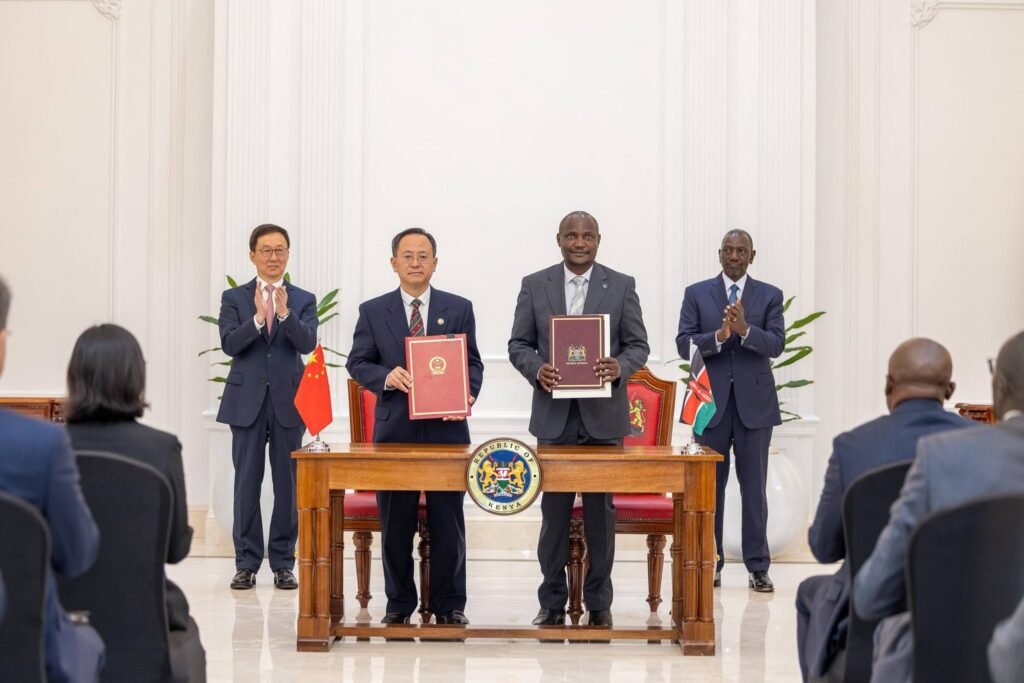
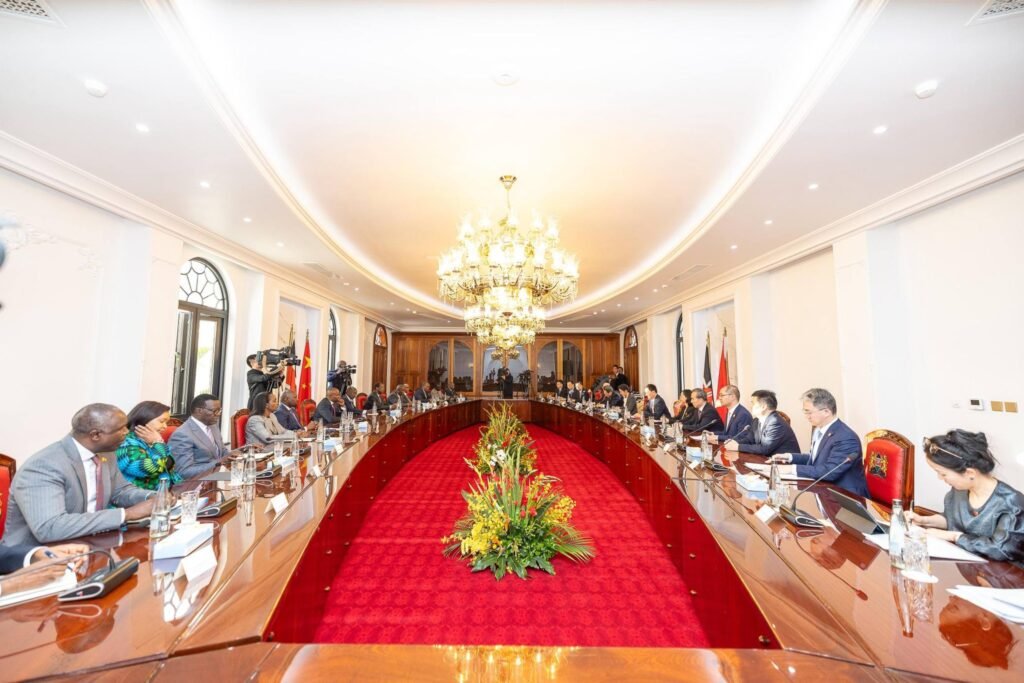
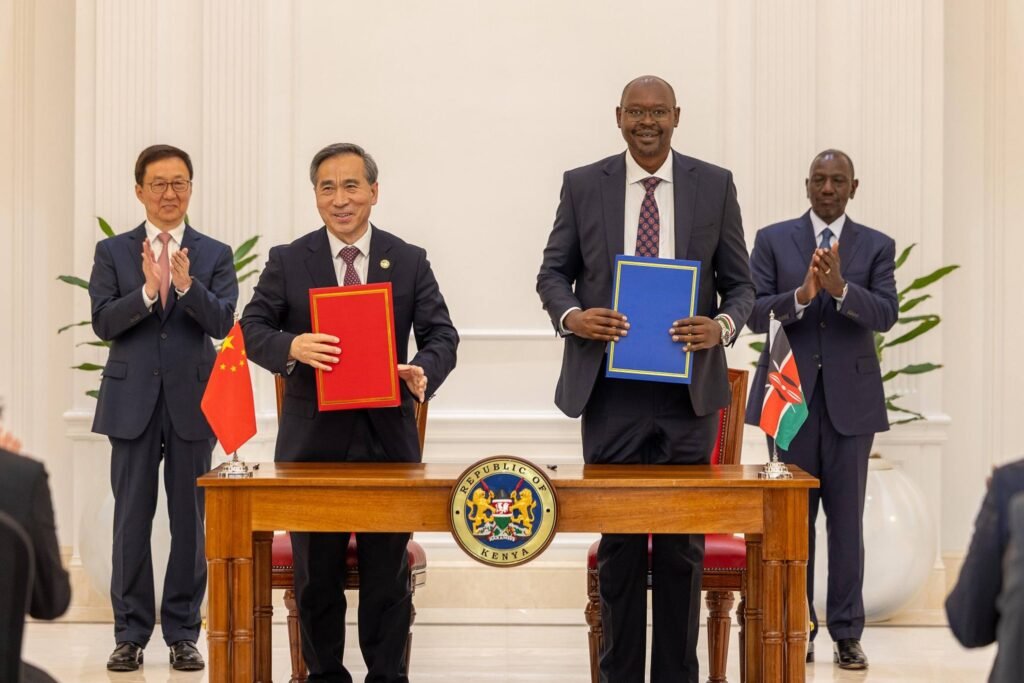
On March 24, 2026, President William Ruto and Chinese officials witnessed the signing of multiple Memoranda of Understanding (MoUs) at State House, Nairobi, covering trade, agriculture, infrastructure, and skills development.
“We are strengthening our trade ties through the Framework Agreement on Economic Partnership for Shared Development, which expands access for Kenyan products to the Chinese market at duty-free, quota-free status beginning May,” President Ruto said.
The agreements, including the “Early Harvest Arrangement,” are designed to move Kenya from an import-heavy relationship with China to a more balanced, export-driven partnership.
Duty-free access and trade balance
At the heart of the deal is expanded access for Kenyan goods into China’s vast market of over 1.4 billion consumers.
Under the agreement, about 98.2 percent of Kenyan exports—including tea, coffee, avocados, macadamia nuts, and flowers—will enter China duty-free starting May 2026.
Deputy President Kithure Kindiki said the move could significantly reduce the long-standing trade imbalance between the two countries.
“The zero tariff market access for Kenyan tea, coffee, avocado, nuts and flowers will balance trade between our two countries, create an export-led economy that Kenya has always desired and move Kenya a step further towards first world economic status ambition,” Kindiki said.
Previously, Kenyan exports faced tariffs ranging between 4 and 25 percent, making them less competitive globally. Removing these barriers is expected to boost earnings for farmers and exporters.
Agriculture and value addition
Agriculture, which remains the backbone of Kenya’s economy, stands to benefit the most from the agreements.
Beyond exporting raw produce, the deals encourage value addition—such as processing avocados into oil or packaging branded tea—allowing Kenya to earn more from its exports.
The agreements also include cooperation in agricultural technology, aquaculture, and livestock development, aimed at improving productivity and food security.
“We witnessed the signing of four MoUs, including the Early Harvest Arrangement on economic partnership, and agreements on agriculture, livestock, and trade cooperation,” Ruto said.
These partnerships are expected to introduce modern farming techniques, boost yields, and open new revenue streams for farmers.
Infrastructure and connectivity boost
Infrastructure development remains a key pillar of Kenya-China cooperation, particularly in transport and logistics.
Ruto highlighted ongoing and planned projects under public-private partnerships, including the extension of the Standard Gauge Railway (SGR).
“Our cooperation in infrastructure development… is delivering key projects, including the extension of the Standard Gauge Railway from Narok to Kisumu and Malaba, and the Rironi-Mau Summit highway,” he said.
Kindiki described the railway as a game-changer for trade.
“China has assisted Kenya develop a modern railway whose extension to the border with Uganda will remain the most consequential trade and logistics enabler for the Kenyan economy since independence,” he noted.
Improved transport networks are expected to lower the cost of moving goods, making Kenyan exports more competitive both regionally and globally.
Jobs, skills and industrial growth
The agreements also prioritize job creation and skills development, particularly for young people.
Kenya and China signed a Human Resource Development Cooperation Plan that will provide 670 training opportunities for Kenyan professionals in the 2025/2026 period.
Additionally, a separate MoU on vocational education aims to strengthen Technical and Vocational Education and Training (TVET), equipping youth with practical skills aligned to industry needs.
“We are also deepening collaboration in digital innovation, intelligent transport systems, green energy, manufacturing and industrialisation, healthcare, and education. Our goal is to deliver tangible benefits for our people,” Ruto said.
Investments in Special Economic Zones (SEZs) and manufacturing are also expected to create tens of thousands of jobs while boosting Kenya’s industrial base.
Digital economy and future growth
The partnership extends into the digital space, with cooperation in e-commerce, artificial intelligence, and cybersecurity forming part of the agreements.
These initiatives align with Kenya’s National Digital Superhighway Programme, which seeks to position the country as a regional technology hub.
Plans are also underway to establish training labs and digital platforms to support cross-border trade and innovation.
Broader impact on the economy
Economists say the agreements could have far-reaching effects on Kenya’s economy if fully implemented.
By boosting exports, improving infrastructure, and creating jobs, the deals are expected to stimulate economic growth and reduce reliance on imports.
The focus on value addition, industrialization, and skills development could also help Kenya transition into a more diversified and resilient economy.
“Kenya and China enjoy cordial diplomatic relations that are anchored on shared interests,” Ruto said, emphasizing the long-term nature of the partnership.
Kindiki echoed this sentiment, noting, “Kenya-China relations continue to grow, for the mutual benefit of both countries.”
As implementation begins, attention will now shift to how quickly these agreements translate into real benefits for businesses, farmers, and ordinary Kenyans.

