
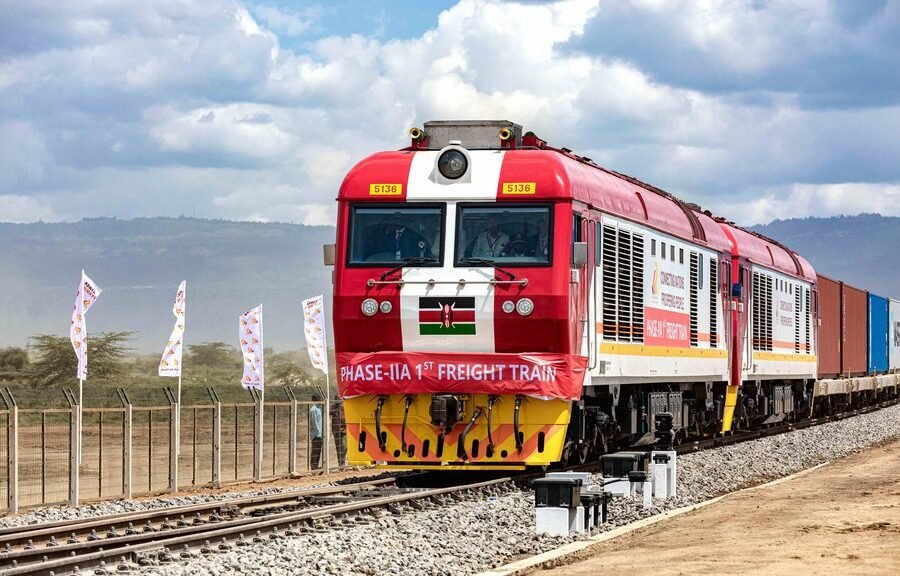
Kenya is planning to construct a 640-kilometre metre gauge railway from Rongai in Nakuru County to South Lokichar in Turkana to transport crude oil, marking a major shift from the earlier proposal to build a pipeline to the coast.
The railway project, estimated to cost about Sh220 billion, is expected to play a central role in enabling large-scale commercial production from the Turkana oil fields.
Officials say the move is part of a broader strategy to develop affordable transport infrastructure that can support both the oil industry and economic development in northern Kenya.
Why Kenya is reconsidering the oil transport plan
Kenya initially planned to construct the Lokichar–Lamu crude oil pipeline as part of the Lamu Port–South Sudan–Ethiopia Transport (LAPSSET) corridor.
However, discussions within government have increasingly focused on alternative transport options, including the use of rail to move crude oil from the oil fields in Turkana to existing transport hubs.
Energy and Petroleum Cabinet Secretary Opiyo Wandayi previously acknowledged that the government was reviewing transport options for Turkana crude.
Speaking during the launch of the Energy Transition and Investment Plan in Nairobi on October 24, 2023, Chirchir said Kenya was exploring different infrastructure models to make the oil project commercially viable.
“We are looking at different infrastructure options to ensure that the Turkana oil project becomes commercially viable and attractive to investors,” Wandayi said during the event held at the Kenyatta International Convention Centre.
Industry analysts say the railway option could reduce upfront infrastructure costs while allowing the line to carry other goods besides oil.
Proposed railway route and strategic importance
The proposed railway will run approximately 640 kilometres from Rongai to South Lokichar, the centre of Kenya’s oil discoveries made in 2012 by Tullow Oil.
The railway is expected to pass through several counties in northern Kenya, potentially transforming transport and logistics in regions that have historically suffered from limited infrastructure.
Government planners say the rail line could also support trade and passenger movement, opening up new economic opportunities along the corridor.
President William Ruto has repeatedly emphasised the importance of infrastructure in unlocking northern Kenya’s economic potential.
Speaking during an inspection of road construction works in northern Kenya on February 11, 2026, the president said the government was committed to investing in projects that connect marginalised regions to national markets.
“Our plan is to invest in infrastructure that opens up the northern frontier so that communities can benefit from trade, investment and economic growth,” Ruto said during the inspection tour of the Isiolo–Mandera road project.
Turkana oil project still central to Kenya’s energy ambitions
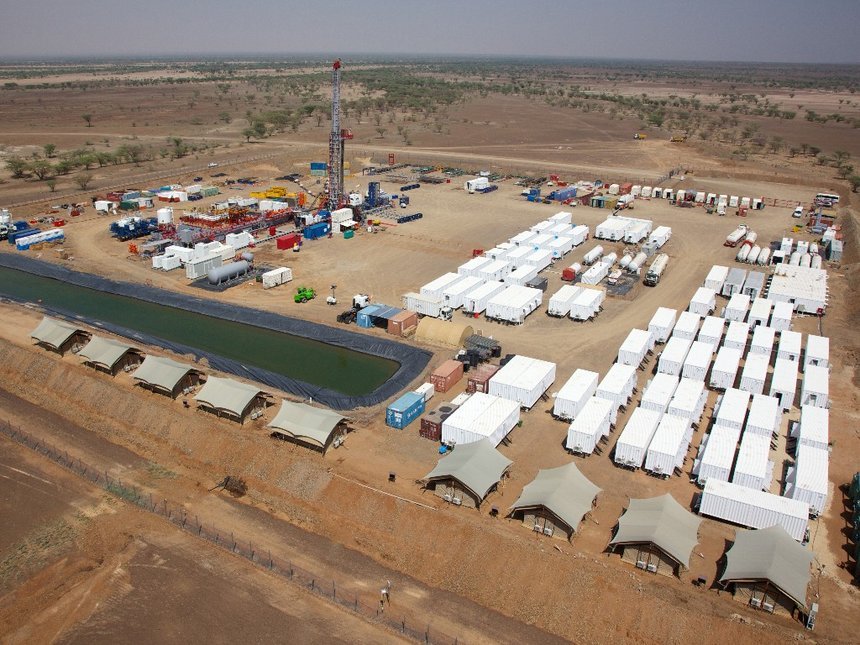
Kenya discovered commercially viable oil deposits in Turkana in 2012, raising hopes that the country could join the ranks of oil-exporting nations.
However, the lack of export infrastructure has been one of the major obstacles to full commercial development of the oil fields.
Tullow Oil previously conducted the Early Oil Pilot Scheme, which involved transporting small volumes of crude by road to the port of Mombasa.
Energy experts say a large-scale transport system is essential for Kenya to move into full commercial oil production.
In July 2023, Tullow Oil Chief Executive Officer Rahul Dhir told investors during the company’s half-year results presentation that progress on export infrastructure would determine the future of the Turkana oil project.
“The key enabler for the Turkana development is the export system, and we continue to work with the Government of Kenya to identify the most viable solution,” Dhir said during the investor briefing in London.
Project expected to cost Sh220 billion
Preliminary estimates indicate the railway project could cost about Sh220 billion, though the final figure will depend on feasibility studies, financing arrangements and detailed engineering designs.
If approved, the project would become one of the largest infrastructure investments aimed at supporting Kenya’s oil sector.
Economists say the railway could also stimulate regional development by improving the movement of goods, reducing transport costs and attracting investment to northern Kenya.
However, experts caution that careful planning and financing will be required to ensure the project remains economically viable.

