
Deputy President Kithure Kindiki has said the government is implementing a range of coordinated interventions to support Kenyans affected by the prolonged drought being experienced in various parts of the country.
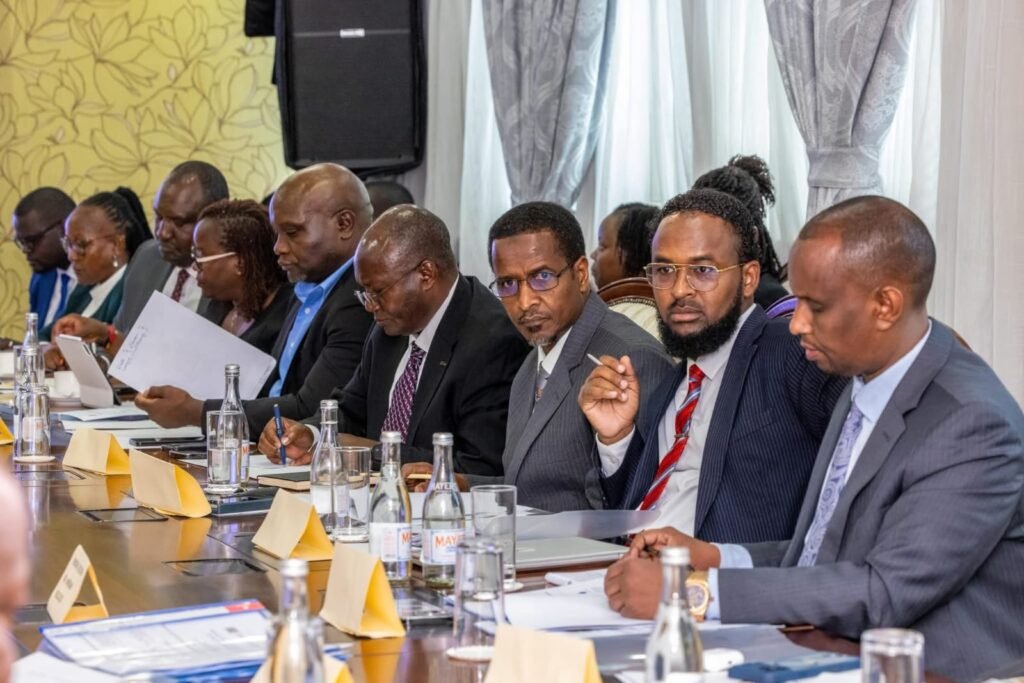
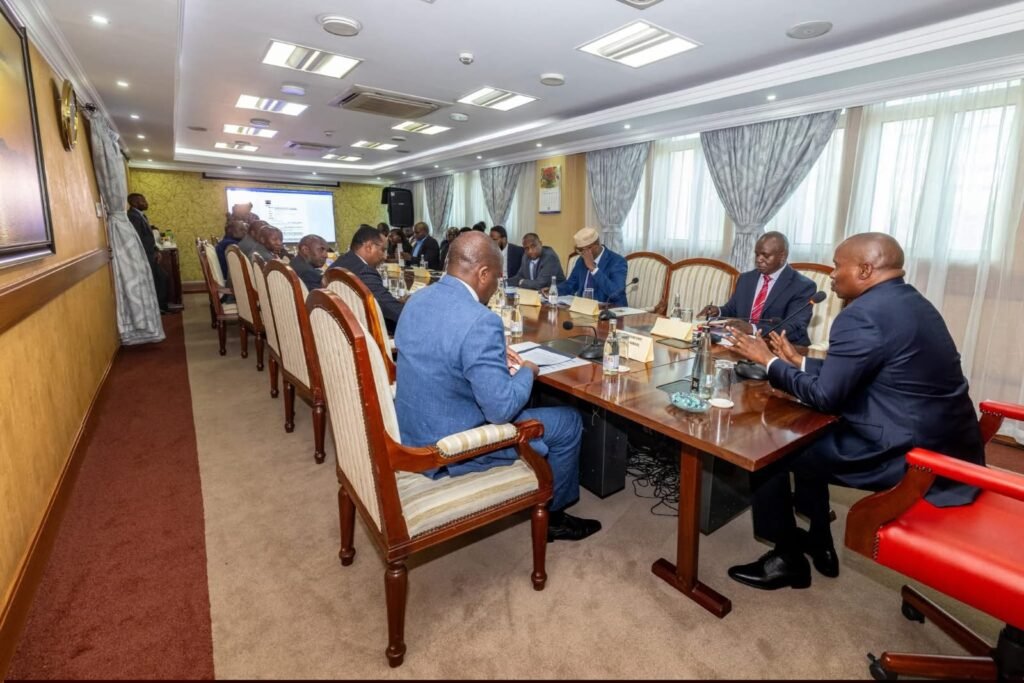
The Deputy President on Monday convened a high-level consultative meeting at the Official Residence in Karen, Nairobi, bringing together Cabinet Secretaries, Principal Secretaries, Chief Executive Officers and heads of relevant Ministries, Departments and Agencies, alongside representatives of the Council of Governors. The meeting reviewed the current drought situation and assessed the scale, scope and cost of the interventions required to mitigate its impact on both human and livestock populations.
SHORT RAINS
The government is prioritising the provision of food and non-food assistance to millions of Kenyans whose livelihoods have been severely disrupted by the ongoing dry spell. The drought, largely attributed to the failure of the October–December short rains, has so far affected at least 32 counties across the country.
According to assessments presented during the meeting, an estimated 2.1 million people in the affected counties are currently facing food and nutritional insecurity, with vulnerable households bearing the greatest burden. The situation has also adversely affected livestock health and productivity, threatening pastoral and agro-pastoral livelihoods in arid and semi-arid regions.
COUNTIES IN NEED
“The Kenya Meteorological Department predicts that the 32 affected counties will require sustained human and livestock food, nutritional and health interventions for the next six months, by which time the harvest from the March to May long rains will be almost ready,” the Deputy President said.
The counties impacted by the drought include Mandera, Wajir, Marsabit, Garissa, Turkana, Samburu, Isiolo, Tana River, Kajiado, Kilifi, Kwale, Lamu and Taita Taveta, as well as Tharaka Nithi, Kitui, Makueni, Meru North, Embu (Mbeere), Laikipia, Nyeri, Kirinyaga, Murang’a, Kiambu, Machakos, Nakuru, Narok, Baringo, West Pokot, Elgeyo Marakwet, Siaya, Homa Bay and Migori.
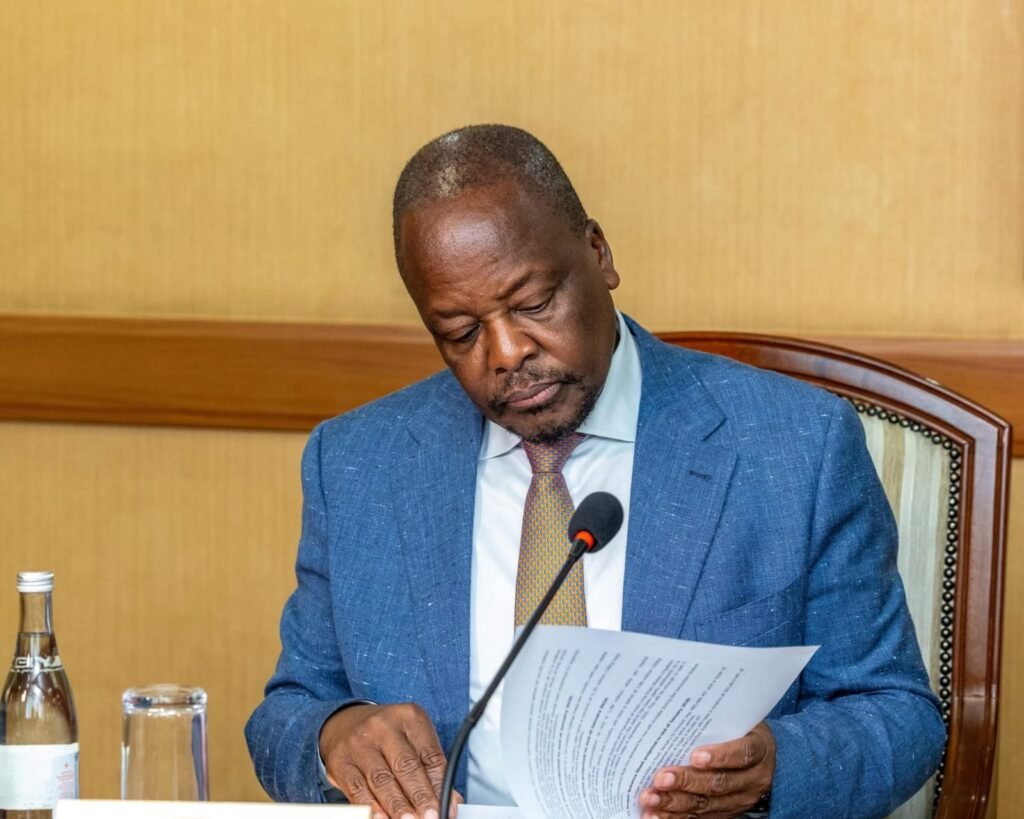
Deputy President Kindiki noted that the government is working closely with county governments and relevant agencies to ensure timely and effective delivery of relief supplies, while also strengthening early warning systems and preparedness measures to cushion communities against future climate shocks.
NON-FOOD SUPPORT
“I met Cabinet and Principal Secretaries, Chief Executive Officers and heads of relevant Ministries, Departments and Agencies together with the Council of Governors to discuss the extent and cost of the interventions required to provide human and livestock food and non-food support, and to mitigate the effects of the prevailing drought situation,” he said.
The national government, he added, remains committed to safeguarding lives, protecting livelihoods and ensuring no Kenyan is left behind as the country navigates the current drought challenge.


