
Laikipia Governor Joshua Irungu has ignited debate in the Senate after openly opposing a directive by the Salaries and Remuneration Commission (SRC) that requires county governments to construct official residences for governors.
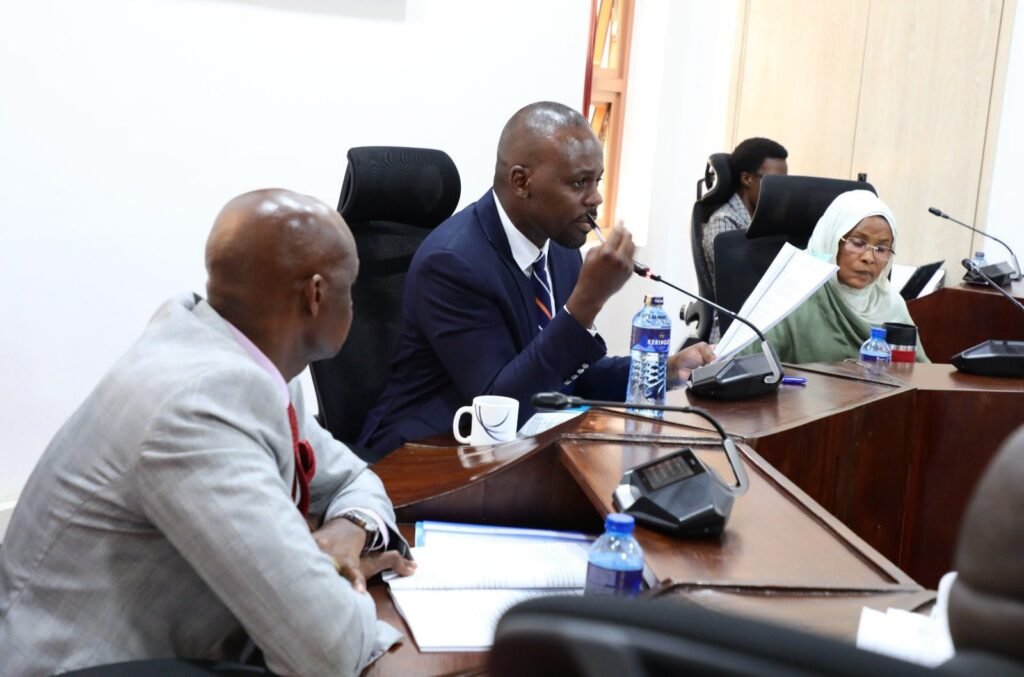
Governor Irungu raised his objections while appearing before the Senate County Public Accounts Committee (CPAC) at Parliament Buildings to defend Laikipia County’s revenue and expenditure accounts for the 2024/25 financial year. He argued that constructing governors’ mansions was unjustifiable, particularly for rural counties grappling with basic service delivery challenges.
“Morally Unjustifiable,” says Irungu
In his submission, the governor questioned the Sh50 million ceiling set by the SRC for the construction of official residences, describing it as both inadequate and financially burdensome.
“Beyond the construction, the cost of maintaining such facilities is huge,” Irungu told the committee. “You need guest houses, gardeners, security personnel and domestic staff. These are recurring expenses that counties must shoulder.”
He further framed the issue as a moral dilemma, insisting that limited public resources should be directed toward urgent social needs.
“There is a moral aspect to this. How do I spend Sh50 million to put up a mansion while women in some parts of Laikipia walk up to 20 kilometres to access water? How can I construct a mansion when women are giving birth in the bush?” he asked, adding that he had no intention of building an official residence.
Auditor-General flags non-compliance
However, Auditor-General Nancy Gathungu flagged the issue in her audit report, noting that Laikipia County had neither constructed nor budgeted for official residences for the Governor and Deputy Governor.
According to the report, this contravenes an SRC circular dated May 20, 2019, which provides guidelines on housing benefits for governors, deputy governors and county assembly speakers, and required the commissioning of official residences by June 30, 2022.
The Auditor-General further observed that in the absence of official residences, both the Governor and Deputy Governor continued to receive monthly house allowances of Sh300,000 each, amounting to Sh3.6 million annually. The arrangement was deemed irregular and contrary to SRC guidelines.
Senate pushback and calls for policy review
Defending the county’s position, Governor Irungu maintained that counties should be granted autonomy to set their own development priorities.
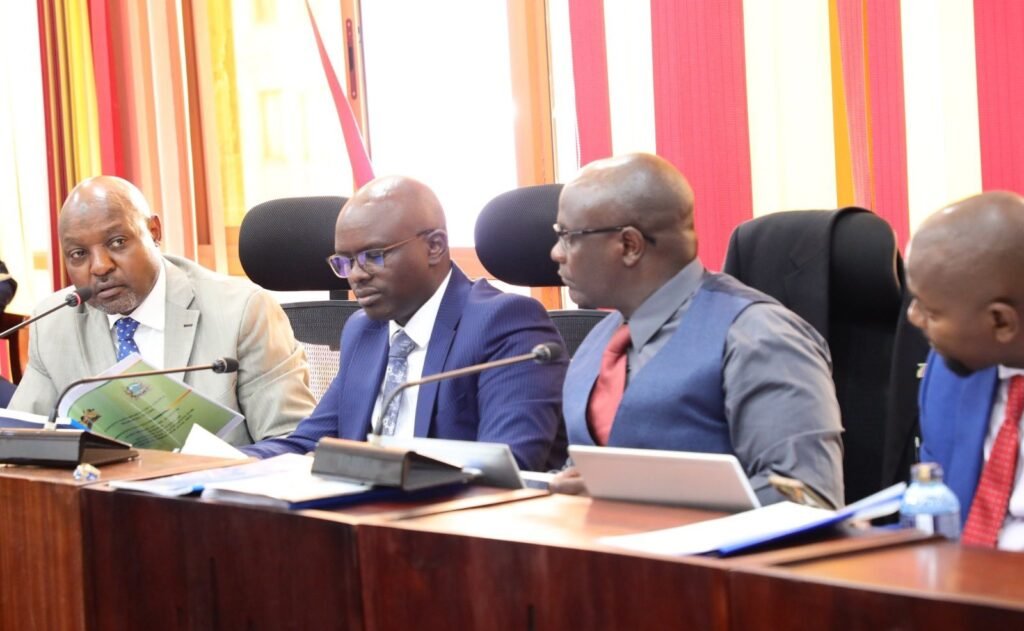
“Rural counties should be given the freedom to decide what is best for them based on their needs. The most prudent thing is for the circular to be withdrawn,” he said, calling on the Senate to intervene.
His remarks drew sharp reactions from members of the committee.
“You don’t intend to comply with the SRC circular?” Senator Enock Wambua asked, arguing that continued payment of house allowances was also costly to taxpayers.
Senator Okongo Omogeni suggested that if counties were unwilling or unable to construct official residences, the SRC should consider withdrawing the directive altogether.
“If counties are not keen on building these houses, then SRC should reconsider the circular,” Omogeni said.
Matter headed to Senate floor
The CPAC, chaired by Vice Chairperson Johnes Mwaruma, agreed that the matter warranted broader debate and resolved to escalate it to the floor of the Senate for determination.
Senator Omogeni further proposed that the Council of Governors develop a position paper to guide the Senate’s deliberations.
“Maybe the Council of Governors should develop a position paper so that the Senate can intervene,” he said.
Governor Irungu committed to submitting the issue to the Council of Governors for consideration, setting the stage for a wider national debate on public spending priorities and the cost of political office.

