
Deputy President Kithure Kindiki has emphasised the central role of local cultures and native languages in shaping national development, urging Kenyans to protect them.
The statement comes amid rapid technological change and other emerging pressures. Prof Kindiki said Kenya’s identity and future prosperity rest on strong cultural foundations that must be safeguarded as the nation modernises.
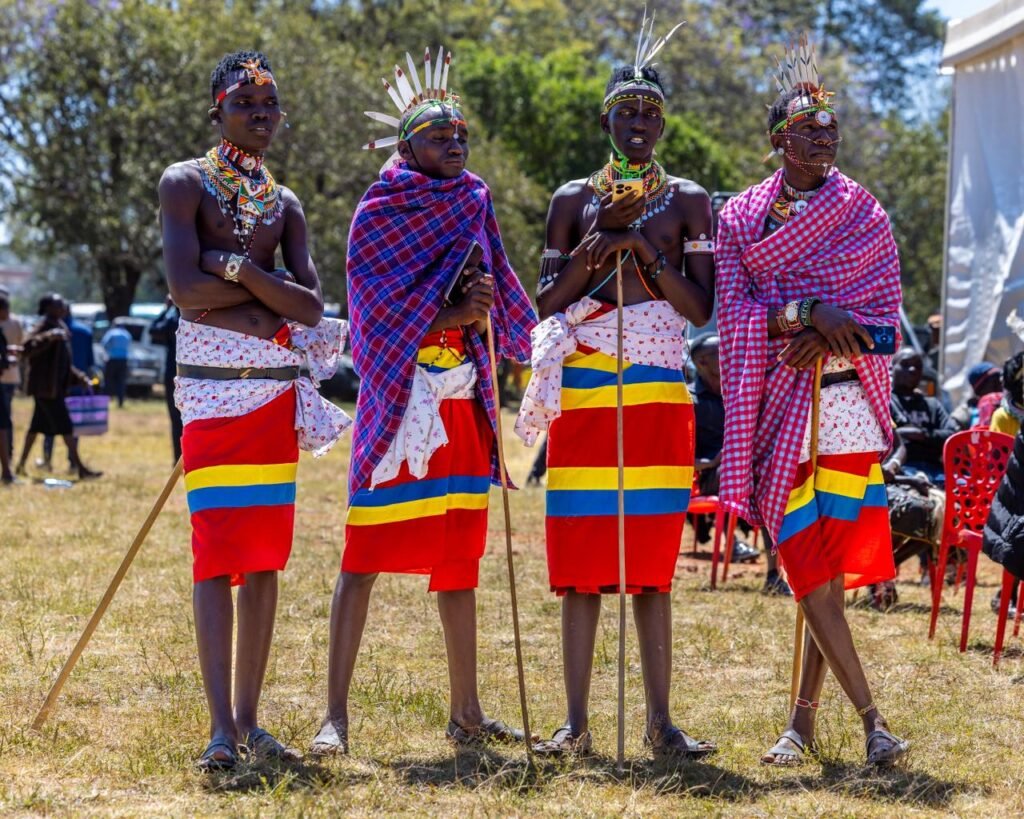
Speaking on Monday during the closing of the 98th Kenya Music and Cultural Festival Gala in Eldoret City, Uasin Gishu County, the DP noted that the Constitution clearly recognises culture as a pillar of national advancement. He stressed that language remains the most powerful marker of personal and communal identity.
“Language and culture are the strongest form of identity one can ever have. It is stronger than any career or education. Anyone abandoning their language is a slave,” he said. “Language and culture form the bedrock of our Constitution, and the State is obligated to protect our diverse cultures and languages. The Constitution demands that all of us be protected in our diversity.”
Prof Kindiki added that Kenya’s “hardware”, including roads, water systems, electricity and other infrastructure must be matched with “software” rooted in values, morals and cultural grounding if the country is to achieve sustainable progress. He cautioned that academic brilliance without moral grounding is inadequate for nation-building.
“As much as we build the hardware, we need to focus on our software. We must promote good morals among our children because you can have intelligent children with poor morals, who end up being useless and heading nowhere,” he said.
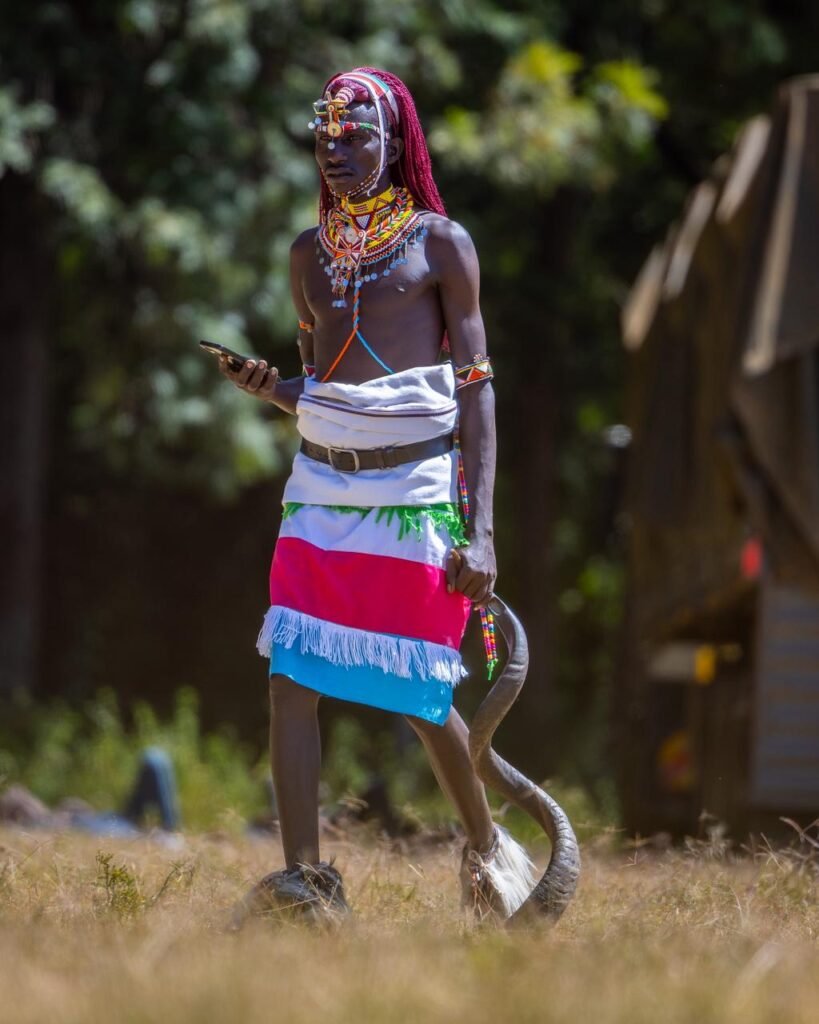
The gala showcased the depth of Kenya’s heritage through music, dance, drama, traditional theatre, fashion, and cuisine from across communities. Yet despite this richness, the DP expressed concern that younger generations are adopting too little from their elders.
“Many of our children have little respect for our traditions and culture, little respect for elders, community and traditions. We must work hard to impart these values on them and reset the foundation of our nation,” he said.
Turning to national development, Kindiki highlighted progress in expanding road networks, electricity access and water systems under the Kenya Kwanza Administration. He said the Rironi–Mau Summit Highway, a flagship project, is being accelerated and will eventually be extended to Eldoret and later Malaba.
Electricity access has reached 10.6 million households, with a target of universal connectivity by 2030, while the irrigation of more than two million acres is underway to boost food production.
He added that innovative financing, including public-private partnerships and the sale of stakes in state-owned enterprises will be pursued to deliver these infrastructure goals.
The Deputy President was accompanied by Gender and Culture Cabinet Secretary Hanna Cheptumo, Culture and Heritage Principal Secretary Ummi Bashir, Uasin Gishu Governor Jonathan Bii, Kericho Governor Erick Mutai, MPs Julius Rutto (Kesses), Joseph Wainaina (Nominated) and others.


