
The Media Council of Kenya (MCK) has announced a major step aimed at restoring trust in the country’s digital media space, unveiling plans to introduce digital watermarking for accredited podcasts and online channels.
The initiative comes amid growing concern over the spread of misinformation and unverified content across digital platforms, which has increasingly blurred the line between professional journalism and informal content creation.
A new tool to identify credible content
Under the new system, the MCK will issue visible or embedded digital watermarks to podcasts and online platforms that meet its accreditation standards. These platforms will be required to formally commit to the Code of Conduct for Media Practice and comply with the Media Council Act of 2013.
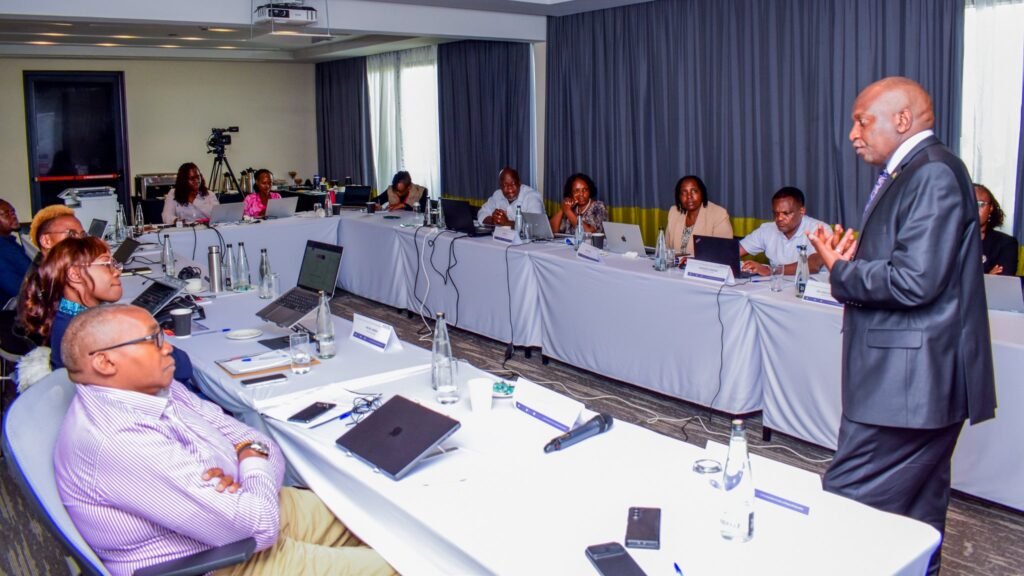
Speaking during a recent engagement, MCK CEO David Omwoyo explained the thinking behind the move, emphasizing the need to help audiences easily identify trustworthy content.
“We will watermark the accreditation symbol on podcast channels and other digital platforms that operate professionally, once they sign a commitment to uphold the Code of Conduct and comply with the Media Council Act,” said Omwoyo.
The watermark is expected to serve as a seal of credibility, giving audiences confidence in the authenticity and ethical standards of the content they consume.
Rising threat of digital misinformation
The move by the regulator reflects growing alarm over the rapid expansion of digital platforms, where content creators often bypass traditional media houses in favor of direct publishing and monetisation through big tech platforms.
According to Omwoyo, this shift has created both opportunities and risks, particularly in the absence of strong editorial oversight.
“The shifting media landscape requires us to embed ethics in these platforms, ensuring the right of reply and thorough verification of information,” he added.
Industry observers say misinformation has become more sophisticated, making it harder for audiences to distinguish between factual reporting and manipulated or misleading content.
Supporting a changing media landscape
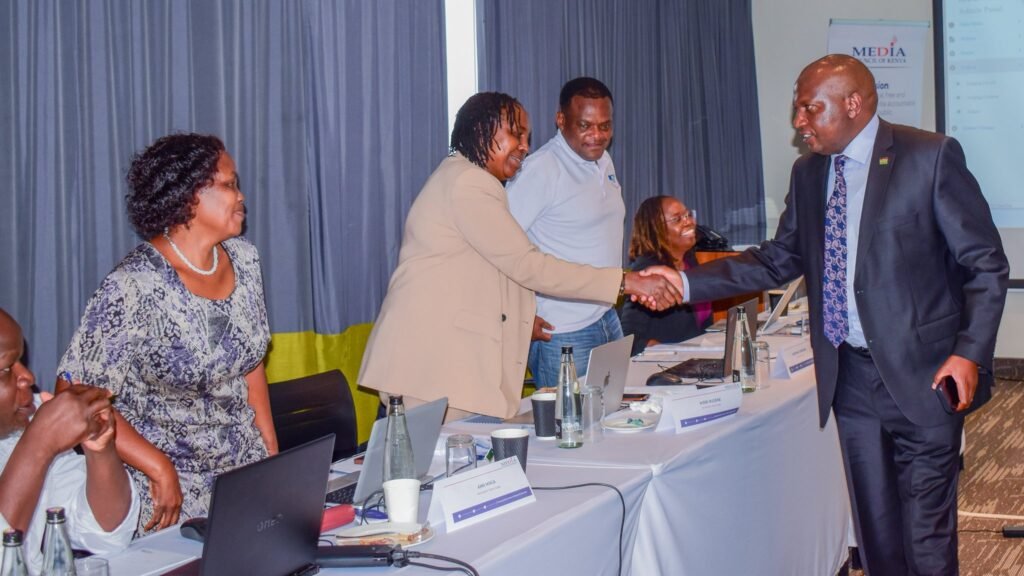
Beyond regulation, the MCK initiative also aims to support journalists and content creators transitioning into digital spaces. By offering accreditation and recognition, the Council hopes to encourage adherence to professional standards even outside traditional newsroom structures.
The regulator is also stepping up capacity building, including targeted training for journalism lecturers in universities and colleges to strengthen ethical reporting practices from the ground up.
In addition, the Council is preparing to host a Pan-African Media Summit in May, bringing together editors, journalists, and representatives from major technology companies to discuss the future of media, content regulation, and sustainable monetisation.
Strengthening credibility and innovation
The announcement comes alongside preparations for the Annual Media Excellence Awards (AMEA), where the Council continues to recognise outstanding journalism. This year’s awards will include new categories that highlight teamwork in storytelling, reflecting the collaborative nature of modern media production.
MCK officials noted that over 700 entries have already been reviewed, underscoring the scale and diversity of Kenya’s media landscape.
As digital platforms continue to dominate how information is created and consumed, the watermarking initiative signals a decisive shift toward accountability and credibility. For audiences, it could soon become easier to tell the difference between verified journalism and the growing wave of online misinformation.

