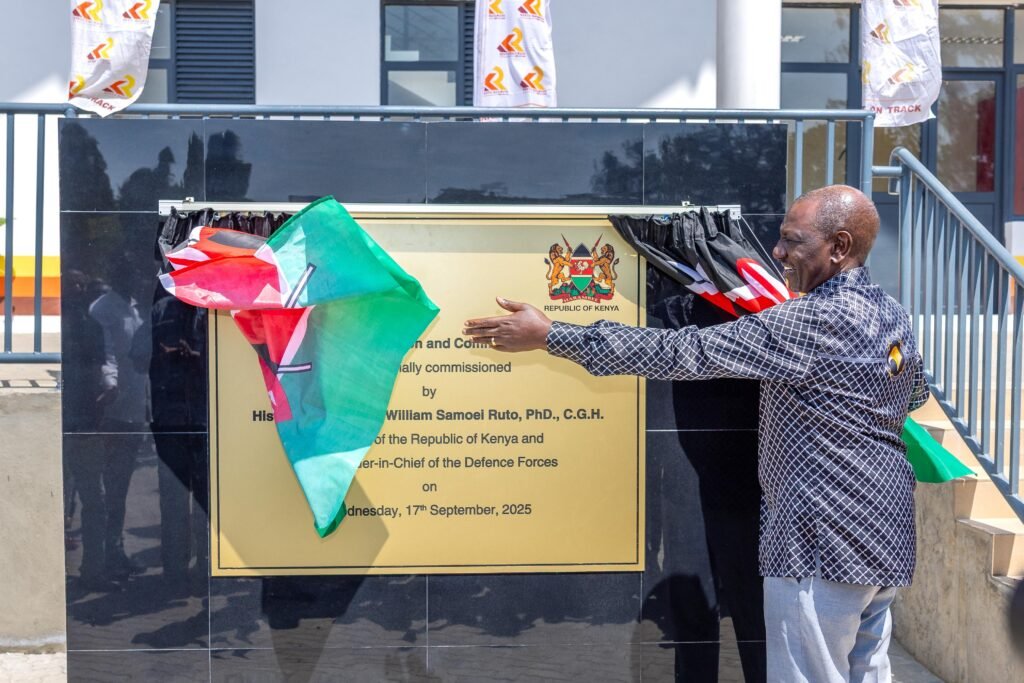
President William Ruto today commissioned the Mombasa Commuter Rail Service, a landmark infrastructure project designed to revolutionise urban transport in Kenya’s coastal city and enhance connectivity for travellers using the Standard Gauge Railway (SGR). The service links Mombasa’s central business district with the SGR terminus at Miritini, integrating key stops including Changamwe West, Changamwe East, Shimanzi, and Mazeras .
Why the commuter rail matters
For Mombasa residents, the rail service addresses chronic traffic congestion and inefficient transit. The city has long struggled with overcrowded roads, particularly along the Miritini-Changamwe corridor, where commuters face prolonged delays. The new line, comprising 16.6 kilometres of rehabilitated metre-gauge track and a 2.3-kilometre bridge across the Makupa Causeway, provides a high-capacity alternative capable of transporting over 4,000 passengers daily . By offering subsidised fares of Ksh 50 per journey, it reduces transport costs significantly for daily commuters while cutting carbon emissions—a critical step toward sustainable urban development .
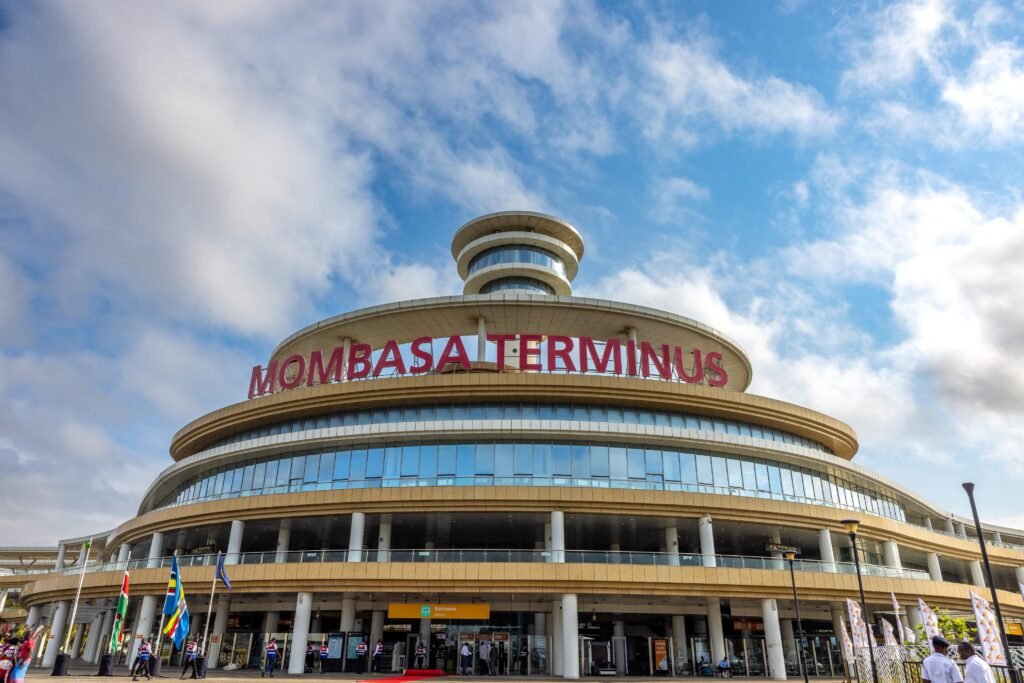
For SGR travellers, the service eliminates a major logistical hurdle. Previously, passengers arriving at the Miritini terminus—located 15 kilometres from the city centre—relied on taxis or matatus for last-mile travel, incurring additional costs and time. The commuter rail now provides seamless connectivity, with schedules aligned to Madaraka Express arrivals and departures . This integration ensures travellers reach the CBD efficiently, bolstering the SGR’s utility and encouraging broader adoption of rail transport nationwide.
Economic and Infrastructural Impact
The project, initially delayed by land acquisition challenges, was completed at a cost of Ksh 4.2 billion . It includes modern stations, park-and-ride facilities, and enhanced safety features, reflecting the government’s commitment to multimodal transport solutions. By decongesting roads and improving access to economic hubs, the rail is expected to stimulate commercial activity in surrounding areas, particularly in Changamwe and Shimanzi .
This initiative aligns with Kenya’s broader strategy to expand rail networks, including the Naivasha-Malaba and Lamu Port-South Sudan-Ethiopia corridors, positioning the country as a regional logistics gateway. The Mombasa Commuter Rail not only transforms urban mobility but also reinforces the symbiotic relationship between urban and national rail systems, driving economic growth and reducing logistical bottlenecks .