
The much publicized killing of Indian house crows is facing resistance from a rights lobby group describing the poisoning of the birds as cruel.
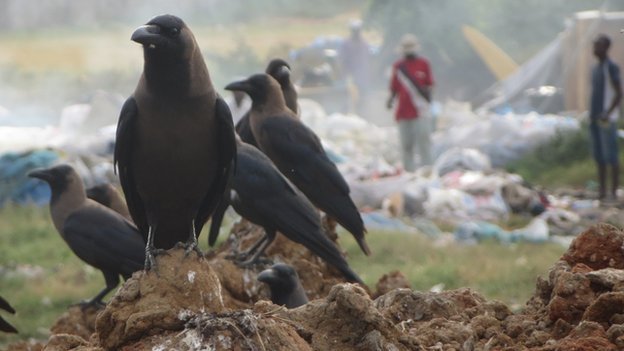
The lobby group, the Centre for Litigation Trust has threatened to take legal action to stop the exercise that is being spearheaded by hoteliers and County government of Mombasa.
The lobby says the poisoning of the birds is cruel and against the rights of the birds.
They are now considering taking the county government to court over the matter, saying the exercise is ill-advised, unscientific and environmentally destructive.
“The indiscriminate killing of birds undermines ecological balance and sets a dangerous precedent for wildlife and environmental management,” Centre for Litigation Trust executive director Julius Ogogoh said.
‘CROWS NO MORE’ CAMPAIGN
Recently, tourism stakeholders and the County Government of Mombasa for at a sustained campaign dubbed ‘Crows No More’ programme for the eradication of the invasive house crows.

The programme is led by the Kenya Wildlife Service in close collaboration with an organization called A Rocha Kenya.
However, Ogogoh said crows play a critical role in the ecosystem as natural scavengers, helping with waste disposal and reducing the spread of disease.
“The killing of any species especially without proper Environmental Impact Assessments (EIA) amounts to an assault on our ecosystem and a violation of established conservation principles,” Ogogoh said.
The government has been in support of the eradication of the birds with the Tourism CS Rebecca Miano on December 14, together with the KWS director general, Erustus Kanga, saying the house crow invasion represents a material threat to biodiversity, tourism, public amenity and livelihoods along Kenya’s coast and beyond.
“Kenya possesses both the technical knowledge and operational experience to address the problem. What is required is sustained political support, coordinated governance and predictable financing to convert episodic success into lasting eradication and control,” Kanga said in the brief.
Ogogoh said there was no proper public participation prior to the killings, a programme which started in 2024.
He noted that the use of poison could affect the health of other organisms, including humans demanding that an Environmental Impact Assessment (EIA) be produced giving the exercise the green light.
Under Article 70, any person has the right to seek legal redress where these environmental rights are threatened or violated, he noted.
CONTROL MEASURES
However, KWS Coast regional director Elema Hapicha said strict protocols were in place to control the handling and use of the specialised Starlicide poison for the killing of the birds.
Starlicide is a specific chemical avicide (bird poison) used for controlling pest and bird populations, particularly starlings, crows and gulls.
It is mixed into baits and is known for its effectiveness and delayed action, reducing risks of secondary poisoning to non-target animals.
Hapicha said the poison is under KWS custody and is issued through documented government procedures and therefore there is no misuse.
A Rocha Kenya said they have demonstrated success in North Coast towns such as Watamu, Malindi and Kilifi, where an estimated 130,000 crows have been eliminated over the past year.
However, the Mombasa Tourism Council chairman Sam Ikwaye said they are not killing the crows but simply implementing the programme that has been ongoing.
Tourism stakeholders say the industry is losing an estimated Sh200 million every year as a result of the destructive invasive crows from guest complaints, compensation claims, and damage to outdoor facilities.
The birds threaten native wildlife and tourism by outcompeting indigenous species.


