
On March 31, 1927, in colonial Nairobi, a child was born into a world sharply divided by race, power, and privilege. That child, Pio Gama Pinto, would grow into one of the most fearless, controversial, and influential figures in Kenya’s struggle for independence—and later, one of its earliest political martyrs.
Nearly a century later, Pinto’s story remains both inspiring and unsettling: a tale of courage, conviction, betrayal, and a vision for Kenya that still feels unfinished.
A revolutionary is born
Pinto was born to Goan parents of Indian descent, a community that occupied a complicated middle ground in colonial Kenya—neither fully privileged like Europeans nor as oppressed as Africans. But Pinto rejected any comfort that came with this position.
From a young age, he aligned himself with the oppressed majority.
Educated in India during a time of global anti-colonial ferment, Pinto was exposed to revolutionary ideas, socialism, and pan-African solidarity. When he returned to Kenya, he did not come back as a passive observer—he came back ready to fight.
The pen and the gun: Pinto’s role in the liberation struggle
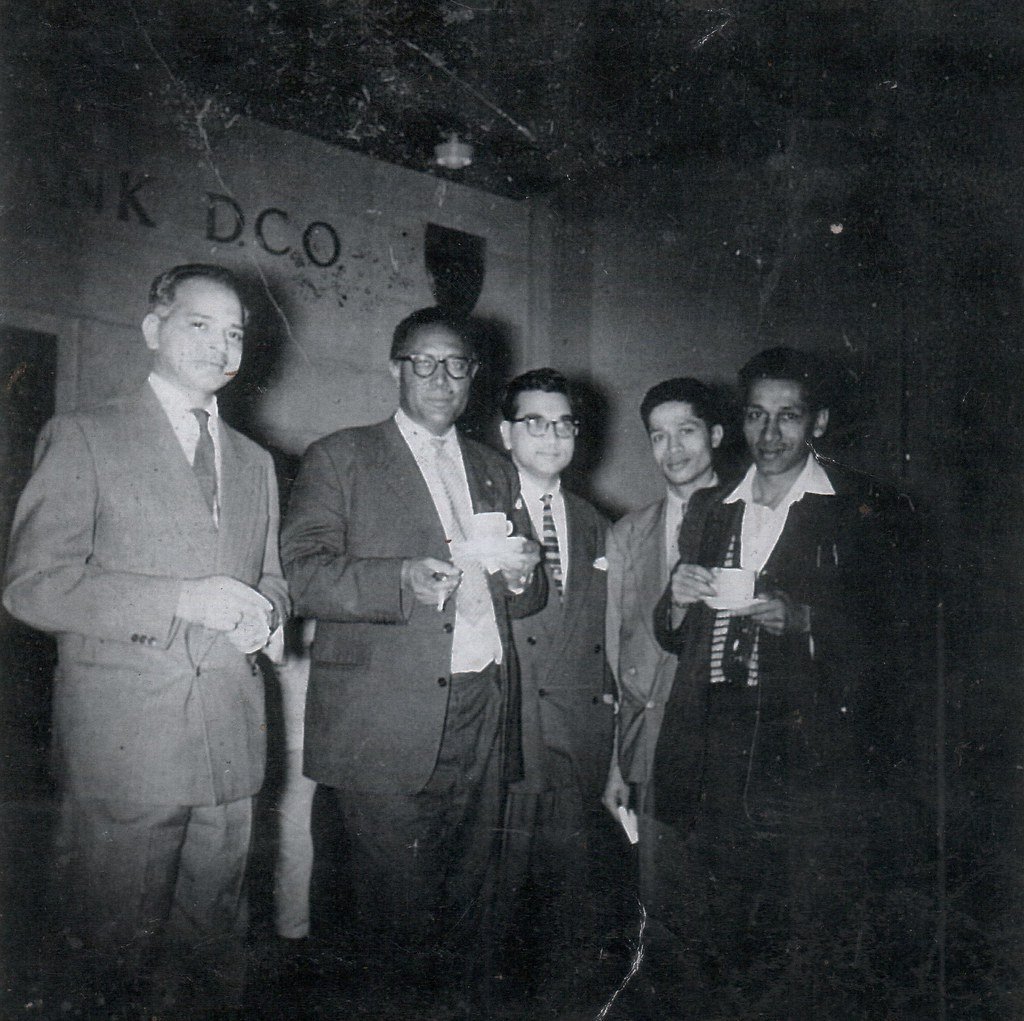


In the 1950s, as the Mau Mau uprising intensified, Pinto became a key behind-the-scenes strategist.
He understood that liberation was not just fought in forests—but also in ideas.
Through underground networks, Pinto is widely believed to have helped channel financial and logistical support to Mau Mau fighters. At the same time, he wielded the power of media, founding and editing nationalist publications like Sauti ya KANU.
These publications became powerful tools of resistance, shaping public opinion and mobilizing support against British rule.
But activism came at a cost.
In 1954, during the brutal colonial crackdown known as Operation Anvil, Pinto was arrested and detained without trial. He spent years in harsh conditions, including time on Manda Island and later under house restriction in Kabarnet.
He emerged from detention not broken—but more determined.
Independence—and disillusionment
When Kenya gained independence in 1963, many expected freedom fighters like Pinto to finally enjoy the fruits of their struggle.
But for Pinto, independence was not the end of the journey—it was just the beginning of a new battle.
He was elected as a Member of Parliament and became a close ally of Jaramogi Oginga Odinga, Kenya’s first Vice President and a champion of socialist ideals.
Yet Pinto quickly grew critical of the new government.
He spoke out against land grabbing by political elites, growing inequality and the abandonment of the poor and Mau Mau veterans
To him, the promise of independence was being betrayed.
“They did not fight for this,” he reportedly told colleagues, referring to the fighters who had risked everything.
A dangerous voice in a fragile nation
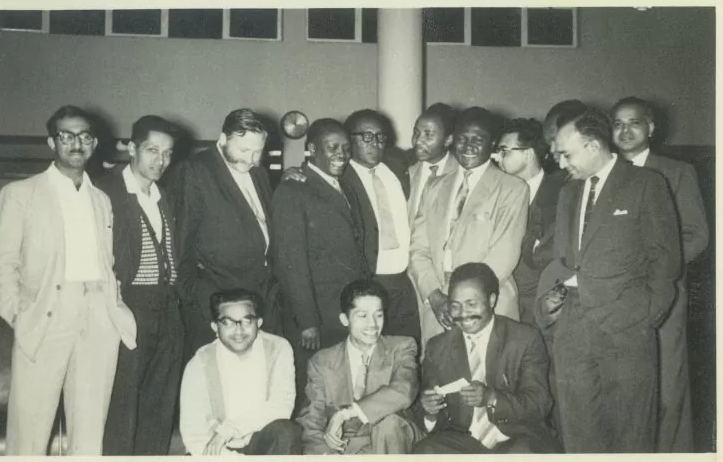
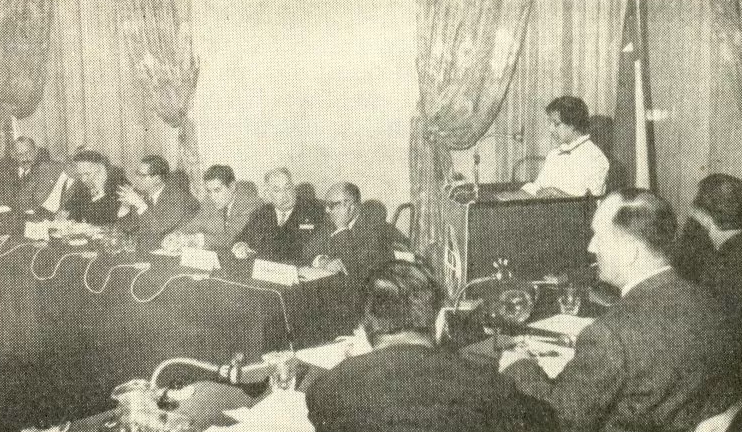

Pinto was not just a critic—he was an organizer.
He helped establish the Lumumba Institute, aimed at training leaders in socialist and pan-Africanist thought. He also maintained connections with global revolutionary figures, including Malcolm X, whom he influenced during his visit to Kenya.
This made Pinto powerful—but also dangerous in the eyes of those who preferred the status quo.
Kenya in the early 1960s was a young nation navigating Cold War pressures, internal divisions, and competing visions of governance. Pinto’s radical ideas placed him at the center of these tensions.
The assassination that shocked a nation
On February 24, 1965, just over a year after independence, Pinto’s journey came to a violent end.
He was gunned down at close range in the driveway of his Nairobi home, in front of his young daughter.
The assassination sent shockwaves across the country.
Pinto became independent Kenya’s first political martyr.
To this day, his killing remains shrouded in controversy, widely believed by many historians to have been politically motivated—though the full truth has never been conclusively established.
Legacy: A dream deferred, not forgotten


Today, Pinto rests at City Park Cemetery in Nairobi. The site where his home once stood is now part of the bustling Westlands district—a stark contrast to the quiet revolutionary who once lived there.
But his ideas continue to echo.
Pinto’s legacy lives on in: Conversations about inequality and land justice, debates on governance and corruption and the enduring struggle for a fairer Kenya.
He represents a question that still lingers:
What kind of country did independence truly deliver—and what kind of country is still possible?
Why March 31 Still Matters
March 31 is not just a date on the calendar.
It is a reminder of a man who refused to compromise his ideals, even when it cost him everything.
At a time when Kenya continues to grapple with questions of equity, governance, and national identity, Pinto’s life offers both a warning and an inspiration.
He reminds us that:
- Freedom is not a one-time event—it is a continuous struggle
- Leadership demands courage, not convenience
- And the cost of speaking truth to power can be high—but silence can cost even more

