
The International Monetary Fund (IMF) has raised fresh concerns over the potential impact of the ongoing war in Iran on global inflation and economic growth, warning that prolonged conflict could destabilise economies worldwide.
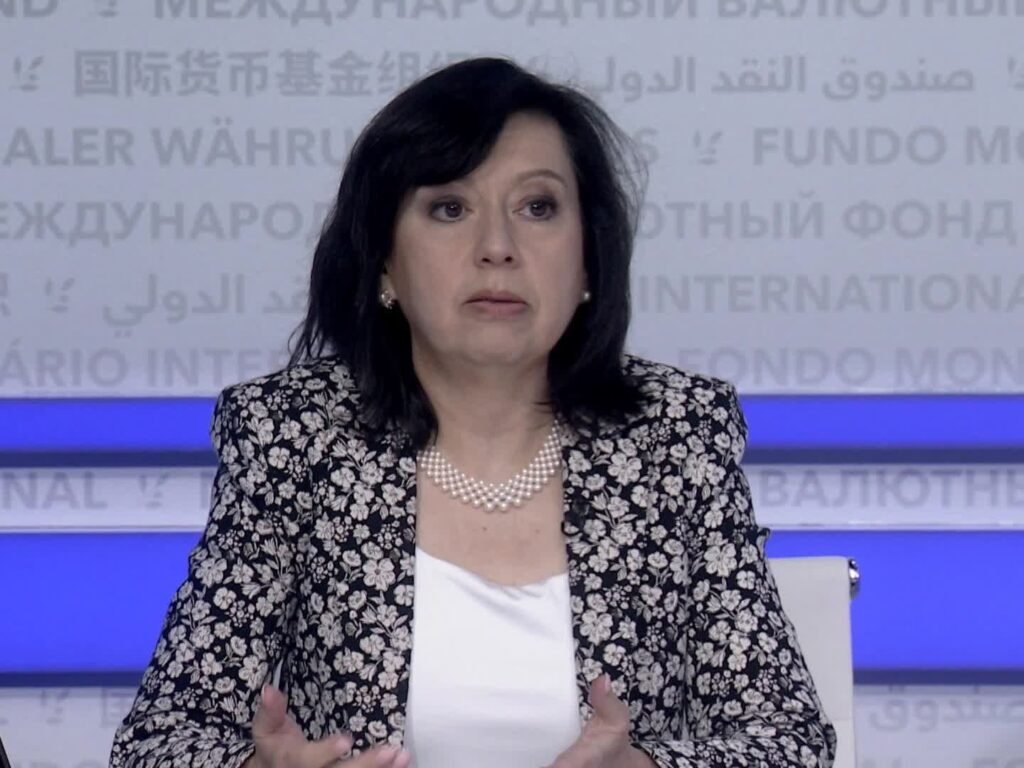
Speaking during a press briefing, IMF chief spokesperson Julie Kozack said the institution is closely monitoring developments, particularly the effect of rising energy prices on global markets.
“If prolonged, higher energy prices will lead to higher headline inflation,” Kozack said.
Rising oil prices and inflation fears
According to the IMF, a sustained increase in oil prices—especially if they remain above $100 per barrel for an extended period—could significantly push up inflation across the globe.
Kozack noted that based on a “broad rule of thumb,” such a scenario could lead to an increase in global inflation by up to two percent, while at the same time reducing economic output by about one percent.
The warning highlights growing fears that the conflict could disrupt energy supply chains, particularly in the Middle East, a region critical to global oil production and transportation.
Higher fuel costs often translate into increased prices for goods and services, placing additional pressure on households and businesses already grappling with economic uncertainties.
Global growth outlook under pressure
Beyond inflation, the IMF is also concerned about the broader implications for global economic growth. A slowdown in output could affect both developed and developing economies, especially those heavily reliant on energy imports.
While the full extent of the impact remains uncertain, the IMF indicated that continued instability could weaken recovery efforts in several regions.
Despite these risks, Kozack confirmed that no country has so far formally approached the IMF for emergency financial assistance linked to the conflict.
“We have not received any formal requests for emergency financing,” she said.
Uncertainty as conflict unfolds
The IMF’s remarks come at a time when global markets remain highly sensitive to geopolitical developments, with investors and policymakers closely watching how the Iran conflict evolves.
Although the institution has not issued a formal economic outlook tied specifically to the war, its caution signals growing unease about the potential ripple effects on inflation, trade, and economic stability.
As the situation continues to unfold, the IMF maintains that the duration and intensity of the conflict will be key in determining its overall impact on the global economy.

