
As Kenya edges closer to the 2027 general election, William Ruto finds himself in a uniquely high-stakes position. Unlike his potential challengers, the President is not just fighting to win re-election—he is defending a carefully constructed political machine built on alliances, state power, and grassroots mobilization.
Despite facing criticism over the cost of living and economic pressures, analysts say Ruto has shifted the political battlefield from popularity to strategy, positioning himself as the frontrunner in a contest that is increasingly defined by numbers rather than sentiment.
Why Power-Sharing Has Reshaped the Political Battlefield
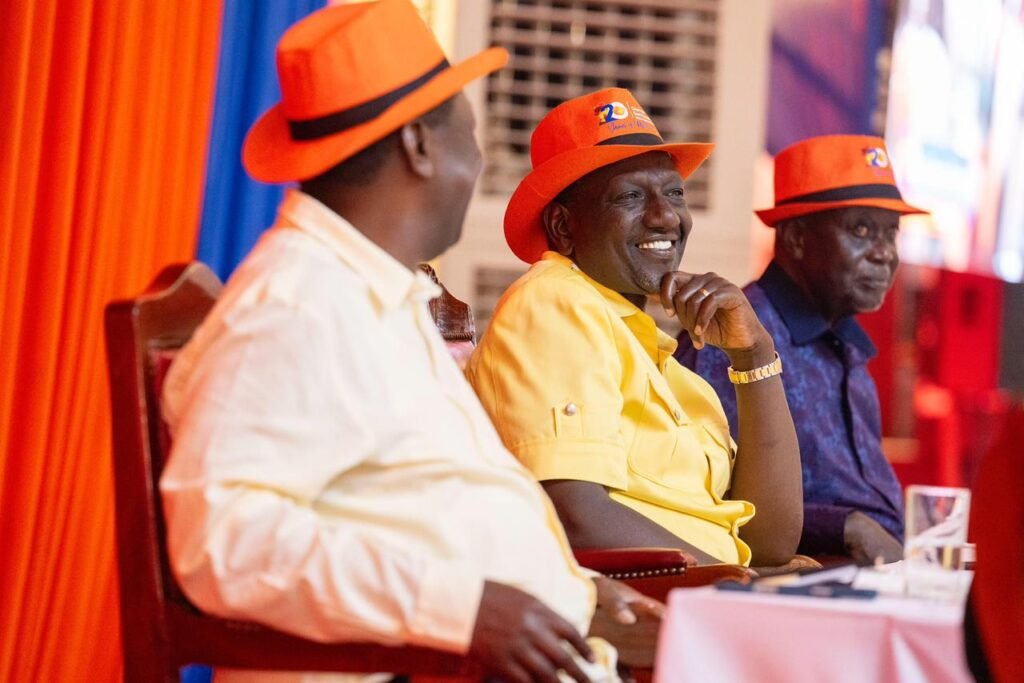
One of the most consequential moves in Ruto’s playbook has been the co-option of key opposition figures, particularly through collaboration with Raila Odinga and the Orange Democratic Movement.
What was once the country’s most formidable opposition bloc has now been partially absorbed into government, significantly weakening its ability to mount a unified challenge.
Political analysts argue that this approach has neutralised traditional strongholds that previously voted against Ruto. By bringing influential leaders from regions like Nyanza, Western, and the Coast into his orbit, the President has blurred the line between government and opposition.
“This is not about popularity anymore; it is about controlling the map,” said one Nairobi-based political analyst. “Ruto has ensured that even areas that didn’t vote for him are no longer firmly in the opposition column.”
Why His Grassroots Machine Gives Him an Edge
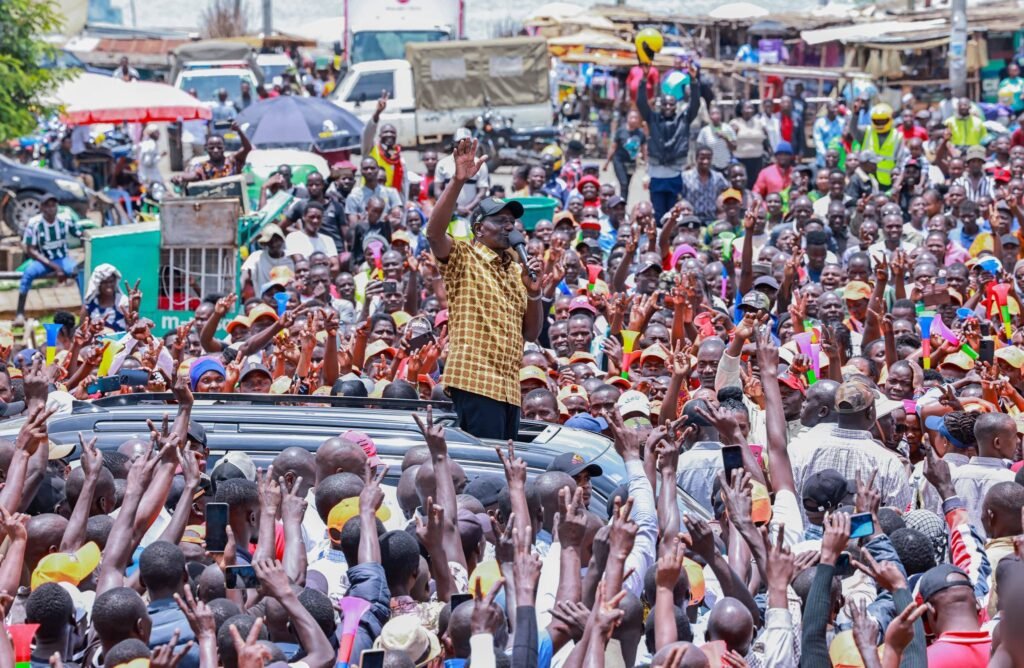
Ruto’s strength also lies in what observers describe as a highly disciplined and tested grassroots network. Unlike rivals who rely heavily on rallies and media presence, he has consistently invested in what is often referred to as “retail politics”—direct engagement with voters through local leaders, MPs, and community influencers.
Analysts say this structure is unmatched at the moment. “As of now, he is probably the only candidate with a fully functional nationwide political machine that answers directly to him,” a governance expert noted.
Ruto himself has repeatedly defended his approach, framing his leadership as long-term and people-centered. “We are making decisions that may be difficult today, but they are necessary for the future of our country,” he has said in past public addresses.
Why Incumbency and Development Projects Matter
As the sitting President, Ruto also enjoys the advantages of incumbency, including access to state resources and visibility through government projects.
His administration has aggressively rolled out infrastructure initiatives—ranging from roads and housing to energy projects—often in regions that were previously opposition strongholds. This strategy allows him to campaign not just on promises, but on visible development.
“We are not just talking; we are delivering,” Ruto said during a recent tour, pointing to ongoing projects as evidence of progress.
This development-focused messaging is designed to anchor his re-election bid on tangible results, rather than political rhetoric alone.
Why the Opposition Remains Fragmented
While Ruto consolidates his base, the opposition continues to grapple with internal divisions and a lack of a clear flagbearer.
Figures such as Kalonzo Musyoka and Fred Matiang’i have been mentioned as potential contenders, but none has emerged with the national appeal or coalition strength needed to rival the President’s network.
Internal wrangles over leadership and strategy have further weakened the opposition’s ability to present a united front.
“A divided opposition plays directly into Ruto’s hands,” a political commentator observed. “They are spending more time competing among themselves than building a credible alternative.”
Why the Youth Factor Remains a Wildcard
The rise of Gen Z political activism, particularly following the 2024 protests, initially posed a significant challenge to Ruto’s administration. However, analysts say the movement has struggled to translate its energy into structured political power.
While youth dissatisfaction remains high, the absence of clear leadership and organization has limited its ability to directly influence electoral outcomes.
“The protests showed anger, but elections require structure, candidates, and coordination,” said a youth policy expert.

Why 2027 Is a Make-or-Break Moment
Ultimately, Ruto’s high stakes stem from the scale of his political investment. He has spent his first term consolidating alliances, expanding influence, and building a nationwide machine designed to secure victory by a significant margin.
Analysts suggest his strategy is not necessarily to be the most popular candidate, but the most difficult to defeat.
“This is a numbers game,” one analyst said. “Ruto is playing for margins—he wants to win decisively, not narrowly.”
As 2027 approaches, the President’s success will depend on whether his coalition holds, his development agenda resonates, and his opponents remain divided. What is clear, however, is that no other candidate enters the race with as much at stake—or as much to lose.

