



The curtain has finally fallen on the 2026 FIFA World Cup, ending six weeks of unforgettable football across the United States, Canada and Mexico. From dramatic extra-time victories and record-breaking performances to underdog stories that captured the world’s imagination, the tournament delivered one of the most memorable editions in World Cup history.
Featuring an expanded 48-team format and a record 104 matches, the competition showcased football’s growing global appeal while producing new stars and cementing the legacies of some of the sport’s greatest players.
Spain Crowned World Champions After Extra-Time Drama
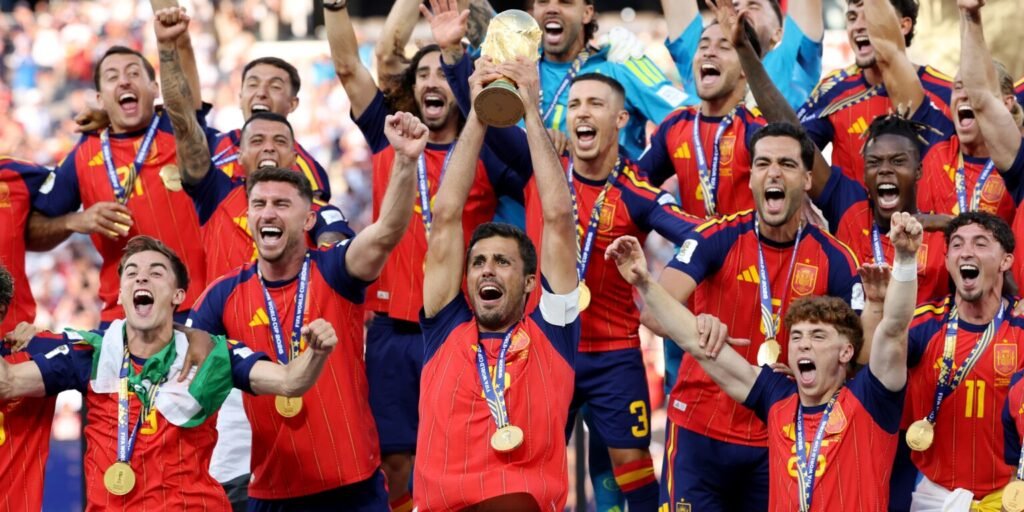
Spain lifted their second FIFA World Cup title after edging Argentina 1-0 in a tense final that required extra time to separate the two football giants.
The final at New York New Jersey Stadium remained deadlocked throughout normal time, with both sides creating opportunities but failing to find a breakthrough. Argentina’s hopes suffered a major setback early in extra time when midfielder Enzo Fernández was shown a second yellow card, reducing the defending champions to ten men.
Spain capitalised on the numerical advantage almost immediately. In the 106th minute, Ferran Torres found space inside the penalty area before smashing home the decisive goal that secured Spain’s historic triumph.
For Lionel Messi, the defeat marked an emotional end to another remarkable World Cup campaign, while Spain completed one of the most dominant defensive performances ever witnessed in the tournament.
History Made as FIFA Introduced First-Ever Halftime Show
The 2026 tournament rewrote history away from the pitch as FIFA introduced its first-ever Super Bowl-style halftime entertainment during the World Cup final.
Curated by Coldplay frontman Chris Martin in partnership with Global Citizen, the spectacular production transformed the final into a global entertainment event that reached hundreds of millions of viewers worldwide.
International music stars Madonna, Shakira, BTS and Justin Bieber headlined the show, combining live performances with advanced lighting, drone displays and pyrotechnics that illuminated the stadium.
The halftime spectacle represented FIFA’s attempt to broaden the tournament’s entertainment appeal while attracting younger global audiences.
Cape Verde Became the Tournament’s Biggest Surprise
Every World Cup produces a fairytale story, and in 2026 that honour belonged to Cape Verde.
Making their tournament debut, the island nation of just over 500,000 people stunned football fans by competing fearlessly against some of the world’s strongest teams.
Cape Verde opened their campaign with a goalless draw against eventual champions Spain before holding two-time champions Uruguay to an entertaining 2-2 draw. Their disciplined defending and fearless attacking style earned global admiration as they progressed to the Round of 32.
Although their dream eventually ended with an extra-time defeat to Argentina, Cape Verde left the tournament with immense pride and proved that determination and teamwork can overcome experience and reputation.
Their remarkable run became one of the defining stories of the competition and inspired smaller football nations around the world.
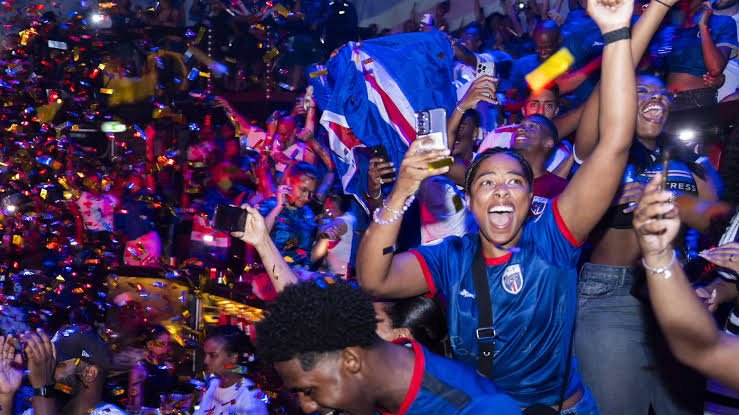
Photo Caption: Cape Verde supporters celebrate after their national team produced one of the biggest surprise campaigns of the 2026 FIFA World Cup.
Expanded Tournament Broke New Records
The 2026 World Cup was the largest in FIFA history, featuring 48 teams for the first time.
The expanded format resulted in 104 matches played over six weeks, providing more nations with an opportunity to compete on football’s biggest stage while delivering more drama for supporters across the globe.
Several football icons continued adding to their legendary careers. Lionel Messi, aged 39, became the oldest player to score a World Cup hat-trick, while Erling Haaland, Jude Bellingham and Kylian Mbappé continued establishing themselves among football’s modern superstars.
Packed stadiums across the United States, Canada and Mexico reflected the tournament’s enormous popularity, with millions of fans attending matches and billions following the action worldwide.
Individual Stars Who Defined the Tournament
While Spain celebrated lifting the trophy, several players produced outstanding individual performances that will be remembered for years.
| Award | Winner | Achievement |
|---|---|---|
| Golden Ball | Rodri (Spain) | Named the tournament’s best player after controlling Spain’s midfield throughout the competition. |
| Silver Ball | Lionel Messi (Argentina) | Led Argentina to another World Cup final with eight goals and four assists. |
| Bronze Ball | Kylian Mbappé (France) | Produced another exceptional tournament for France. |
| Golden Boot | Kylian Mbappé (France) | Finished as top scorer with 10 goals and four assists, becoming the first player to win the Golden Boot twice. |
| Golden Glove | Unai Simón (Spain) | Recorded a World Cup record seven clean sheets in eight matches. |
| Best Young Player | Pau Cubarsí (Spain) | The 19-year-old defender played every minute of Spain’s title-winning campaign. |
| Fair Play Award | Netherlands | Finished the tournament with the best disciplinary record. |
Mbappé’s campaign was particularly historic. The French forward became the first player to score 10 goals in a single World Cup since 1970 and finished the tournament as the all-time leading scorer in men’s World Cup history with 22 career goals.
Spain also dominated the individual honours, reflecting their tactical superiority throughout the tournament. Rodri’s commanding performances earned him the Golden Ball despite not scoring, while goalkeeper Unai Simón set a new World Cup record with seven clean sheets.
Teenage defender Pau Cubarsí emerged as one of football’s brightest young stars after producing mature performances that anchored Spain’s championship-winning defence.
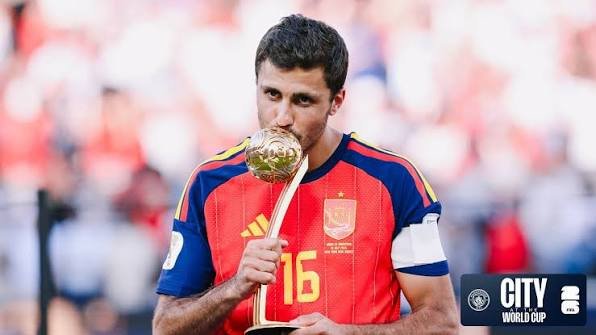
Photo Caption: Spain’s Rodri celebrates with the Golden Ball after leading La Roja to World Cup glory, while Kylian Mbappé finished as the tournament’s top scorer.
A Tournament to Remember
The 2026 FIFA World Cup will be remembered as a competition that transformed international football. From Spain’s dramatic extra-time victory and FIFA’s groundbreaking halftime show to Cape Verde’s unforgettable underdog journey and a host of individual records, the tournament delivered unforgettable moments on and off the pitch.
As the football world now turns its attention to the next World Cup cycle, the memories created across North America will endure as one of the most remarkable chapters in the history of the beautiful game.


