
When Nehemia Cheruiyot graduated from Ollessos National Polytechnic, he hoped his technical skills would one day earn him meaningful employment.
Today, the electrical installation graduate is wiring one of Kenya’s most significant sports infrastructure projects, the 10,000-seat Kapsabet Stadium in Nandi County.
Cheruiyot notes that the project is more than another construction site. It is proof that Technical and Vocational Education and Training (TVET) is opening doors for young people while helping build infrastructure that will shape the future of Kenya’s sporting economy.
Currently 34 per cent complete, the nine-month project has created employment for hundreds of local artisans, technicians and skilled workers, many of them graduates of TVET institutions.
Cheruiyot says his training at Ollessos National Polytechnic enabled him to secure employment on the project, giving him an opportunity to put his skills into practice.
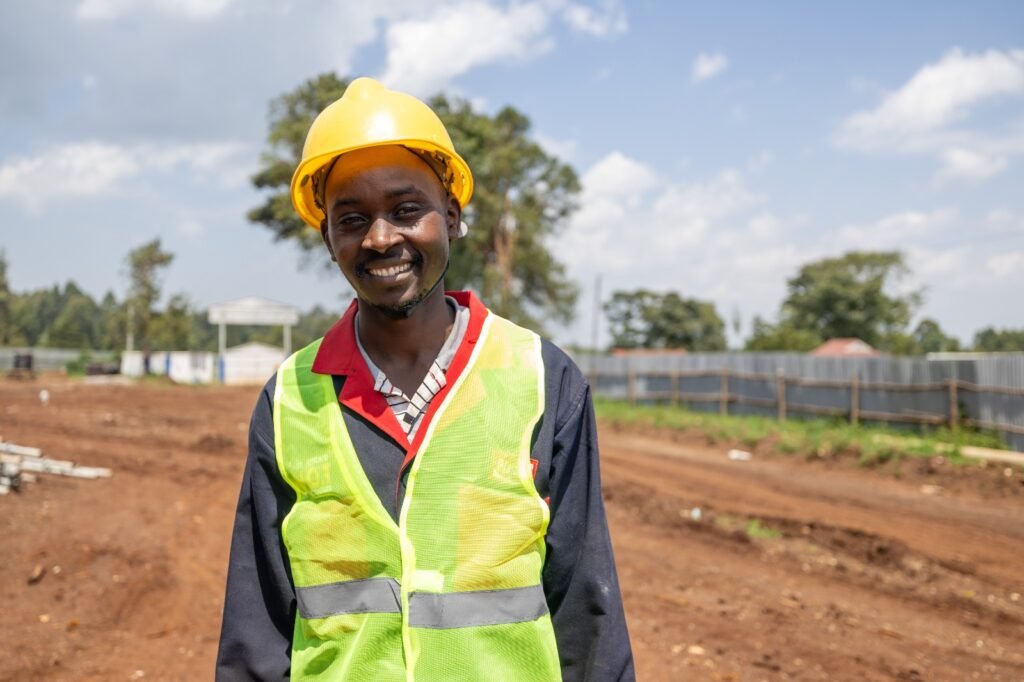
“I studied at Ollessos National Polytechnic, and now I am an alumnus working here at Kapsabet Stadium. I am doing electrical installation. First of all, I thank the President for bringing this project to Nandi. Maybe right now I would be at home herding cattle despite the skills I acquired in school.”
His story reflects the growing demand for technically skilled workers as the Government continues investing in large-scale infrastructure projects across the country.
The modern stadium, scheduled for completion on December 3, 2026, will feature a 10,000-seat grandstand, a FIFA-standard football pitch, a 10-lane athletics track, VIP and hospitality facilities, floodlighting and modern utility infrastructure designed to host county, regional and national sporting events.
Cheruiyot, however, says the project’s greatest legacy will not only be employment but also the opportunities it will create for athletes.
Nandi County has produced some of the world’s greatest distance runners, many of whom still train along public roads, sharing space with motorists and other road users.
The new stadium is expected to provide a secure, purpose-built environment where athletes can train without the risks associated with road running. “Here in Nandi we call ourselves the Source of Champions. Behind us is the Eliud Kipchoge Sports Complex, where Sebastian Sawe trained. Now that this stadium project has been launched, we will benefit greatly.”
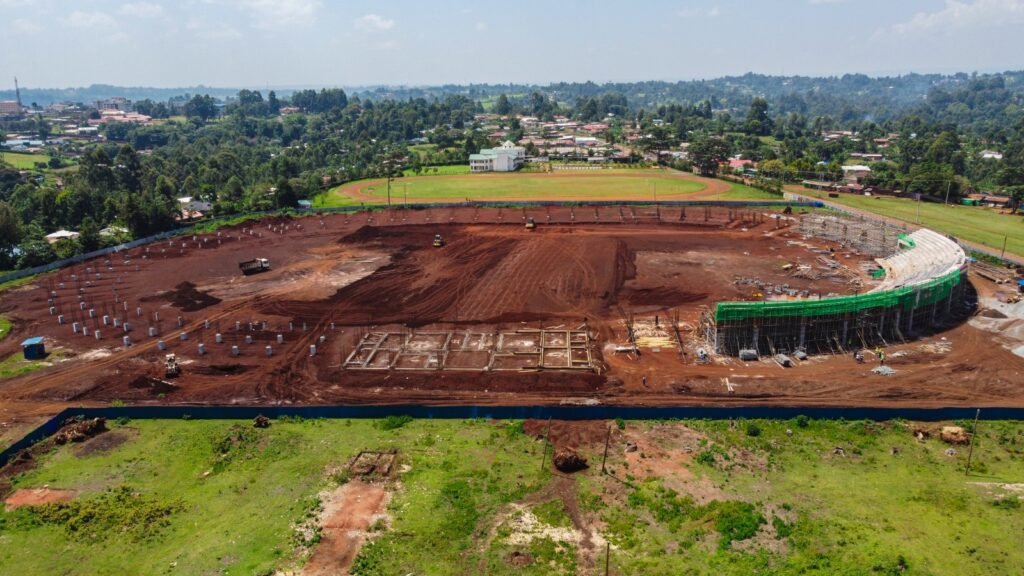
He believes the completed facility will make training more accessible for athletes.
“Athletes will no longer have to pay to train elsewhere. Here they will have a place to train. It will also be safer because they will not have to train on the roads.”
Cheruiyot is equally passionate about encouraging young people to pursue technical education, saying many employment opportunities remain untapped because some job seekers lack practical skills.
“Many people stay at home saying there are no opportunities, yet they never come to town. There are projects here, and most of the jobs require technical courses. If you have gone through TVET, you can get these hands-on jobs.”
Sports Kenya Director General Timothy Kilimo says investment in sports infrastructure delivers returns beyond competition.
“Sport is an economy. Infrastructure is its foundation. Every modern stadium creates opportunities for talent to thrive, jobs to grow and communities to earn from talent… but talent alone is not enough; we must, therefore, invest in infrastructure for the highest Return On Investment as a country.”
As cranes continue to rise above Kapsabet, the project is telling two stories at once: one of TVET graduates translating classroom skills into careers, and another of athletes gaining a safe, modern home where future champions can train.
Together, they reflect how investment in technical skills and sports infrastructure can create jobs, protect athletes and strengthen Kenya’s sporting and economic future.


