
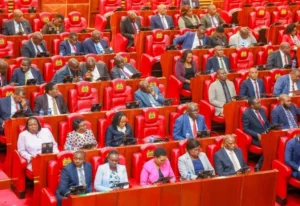
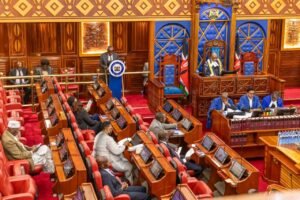
A Woman Representative is a Member of the National Assembly elected by voters across a county. Her main responsibilities are to represent the public, make laws, scrutinise national spending and hold the national government accountable.
Kenya has 47 Woman Representative seats—one for each county—under Article 97 of the Constitution. They are elected parliamentary positions.
Is a Woman Representative an MP?
Yes. A Woman Representative serves in the National Assembly alongside constituency MPs.
The difference is the area that elects her. A constituency MP represents one constituency, while a Woman Representative is elected across the entire county.
Women can also contest constituency MP seats. The Constitution expressly provides that the county women’s seats do not exclude anyone from contesting constituency seats.
What are her main duties?
Article 95 sets out the National Assembly’s responsibilities. A Woman Representative contributes to these functions alongside other members.
Representation: Bringing public concerns into parliamentary debate and helping place issues requiring national action before the House.
Lawmaking: Considering Bills and proposed amendments, including legislation affecting livelihoods, equality and public services.
Budget decisions: Scrutinising and voting on national spending proposals through Parliament’s budget process.
Oversight: Examining how national institutions perform and how public money is spent, including through parliamentary committees where she serves.
These responsibilities operate through parliamentary procedures and collective decisions. An individual member cannot pass a law or approve the national budget alone.
Does a Woman Representative serve only women?
The seat is reserved for a woman, but both men and women registered in the county can vote for her.
Her countywide mandate and National Assembly responsibilities also allow her to address concerns affecting the wider population. A resident does not have to be a woman to raise an issue with the office.
The position provides a platform for advancing women’s interests, but its parliamentary work can cover education, taxation, employment, security and other national concerns.
What is the connection to NGAAF?
Woman Representatives are closely associated with the National Government Affirmative Action Fund, commonly called NGAAF. The Fund identifies all 47 representatives as champions of its INEET programme, which supports training and economic opportunities.
NGAAF targets women, youth, persons with disabilities and other vulnerable groups. Its programmes include education support, economic empowerment and assistance for businesses run by marginalised people.
These activities help explain why residents often associate Woman Representatives with bursaries and empowerment projects. Such assistance, however, comes through a public programme with institutional administration. It should be identified as publicly funded support when presented to beneficiaries.
Residents seeking assistance should ask the county NGAAF office about available programmes, eligibility, application requirements and selection decisions. A campaign promise should not be treated as confirmation that an application has been approved.
How is she different from a Senator or Governor?
Although all three are elected across a county, their responsibilities differ.
| Office | Institution | Main responsibility |
|---|---|---|
| Woman Representative | National Assembly | National lawmaking, representation, budget decisions and oversight |
| Senator | Senate | Protecting county interests, considering county-related Bills and overseeing national revenue allocated to counties |
| Governor | County executive | Leading the county government’s executive administration |
A Woman Representative does not head county departments. The Constitution places county executive authority in the county executive committee, with the Governor as chief executive.
How can voters assess her performance?
A useful assessment should examine parliamentary work alongside community engagement. Voters can ask:
- Which Bills, amendments or motions has she contributed to?
- What public concerns has she raised, and what follow-up is documented?
- How has she scrutinised national spending and government performance?
- Are public support programmes accessible, with clear selection criteria?
Parliament’s Hansard, committee reports and voting records, where available, provide evidence beyond campaign speeches.


