
In 2026, Kenya’s automotive market continues to reflect the realities of local roads, fuel prices, and economic pressures.
Reliability, affordability, fuel efficiency, and resale value remain the biggest drivers of car-buying decisions. Japanese brands dominate the market, accounting for nearly 85% of all vehicles on Kenyan roads, largely through used imports.
Below is a detailed breakdown of the most popular car brands and models in Kenya in 2026, their prices, standout features, and why Kenyan motorists continue to favour them.
Toyota: Kenya’s Undisputed Market Leader
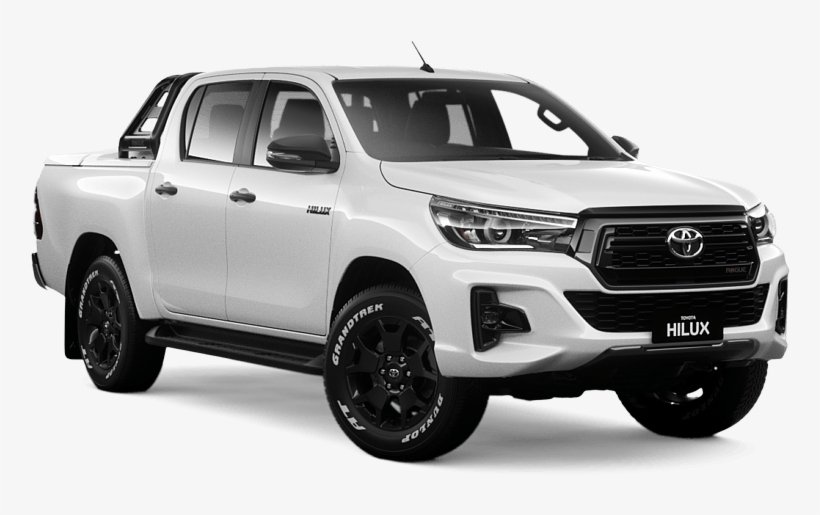
Toyota remains the most dominant car brand in Kenya, commanding an estimated 40–60% of the used vehicle market.
Popular Models
- Hilux
- Land Cruiser Prado
- RAV4
- Corolla / Corolla Fielder
Cost in 2026
- Used imports: KSh 1.5M – 8M
- Brand new Prado (J250): KSh 15.9M – 16.5M
- Land Cruiser 300 Series: KSh 25M+
Key Features
- High ground clearance ideal for rough terrain
- Fuel-efficient hybrid options (Corolla, RAV4, C-HR)
- Proven durability and simple engineering
- Strong diesel engines for heavy-duty use
Why Kenyans Prefer Toyota
Toyota vehicles are easy to maintain, spare parts are available in nearly every town, and resale value remains unmatched. Many models retain up to 65% of their value after five years, making Toyota vehicles a low-risk investment.
Isuzu: The King of Pickups and Commercial Vehicles

Isuzu dominates Kenya’s commercial and utility vehicle segment, especially among farmers, contractors, and fleet owners.
Popular Models
- Isuzu D-Max
- Isuzu N-Series Trucks
Cost in 2026
- D-Max Single Cab: From KSh 3.89M
- D-Max Double Cab 4×4: Up to KSh 8.9M
- Used units: KSh 1.8M – 3.5M
Key Features
- Locally assembled for Kenyan road conditions
- Powerful diesel engines (1.9L, 2.5L, 3.0L)
- High payload capacity (up to 1,265kg)
- Towing capacity of up to 3,500kg
Why Kenyans Prefer Isuzu
Isuzu vehicles are viewed as business tools rather than luxury cars. They offer excellent return on investment (ROI), low servicing costs, and long engine life, making them ideal for income-generating activities.
Nissan: Affordable Technology and Fuel Efficiency

Nissan has positioned itself as Toyota’s closest rival, especially in urban and fuel-conscious segments.
Popular Models
- Nissan Note e-Power
- X-Trail
- Navara
Cost in 2026
- Used Nissan Note: KSh 850k – 1.6M
- New-generation models: From KSh 3.8M
Key Features
- e-Power hybrid technology (electric drive without plug-in charging)
- Excellent fuel economy (up to 23 km/L)
- Smooth, quiet urban driving experience
Why Kenyans Prefer Nissan
Rising fuel prices have pushed many urban drivers and ride-hailing operators toward Nissan’s hybrid models. The Nissan Note e-Power, in particular, has become a favourite among Uber and Bolt drivers due to low daily running costs.
Subaru: Performance and All-Weather Capability
Subaru dominates a niche market of performance enthusiasts and drivers in hilly or muddy regions.
Popular Models
- Subaru Forester
- Subaru Outback
Cost in 2026
- Used Forester: KSh 1.3M – 3.2M
Key Features
- Symmetrical All-Wheel Drive (AWD)
- Boxer engines for better balance and handling
- EyeSight driver-assist safety technology
Why Kenyans Prefer Subaru
Subaru vehicles offer superior road grip and stability, especially during rainy seasons or in upcountry terrain. Drivers appreciate the sporty feel and added safety on highways and rough roads.
Honda: Fuel Efficiency and Smart Design
Honda continues to gain popularity among young professionals and city drivers.
Popular Models
- Honda Fit (Jazz)
- Honda Vezel (HR-V)
Cost in 2026
- Used models: KSh 900k – 2.5M
Key Features
- e:HEV hybrid systems
- “Magic Seats” for flexible interior space
- High build quality with low fuel consumption
Why Kenyans Prefer Honda
Honda appeals to drivers looking for fuel efficiency, modern design, and reliability without premium pricing. Its hybrids are especially attractive for daily commuting in congested cities.
Why Japanese Brands Still Dominate Kenya’s Car Market
Several factors explain the continued dominance of Japanese vehicles in Kenya:
- Affordable spare parts and widespread mechanics
- Proven reliability on rough roads
- Strong resale value
- Availability of used imports from Japan
- Fuel-efficient engines suited to rising fuel costs


