
More than 6,000 learners in Naivasha have been affected after rising water levels in Lake Naivasha flooded homes, schools and public facilities, forcing hundreds of families to flee affected areas.
Residents and local leaders have warned that the crisis could worsen as water levels continue to rise in several settlements surrounding the lake.
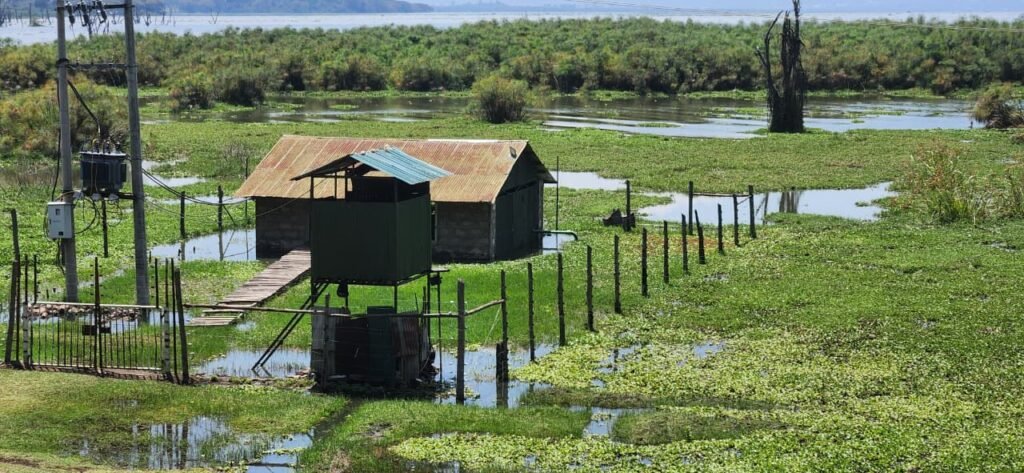
Kihoto Estate, which houses thousands of flower farm workers, is among the areas hardest hit by the flooding. Homes, roads, pit latrines and shallow wells have been submerged, increasing fears of a possible outbreak of waterborne diseases.
During a visit to the affected area, Nakuru Senator Tabitha Karanja described the situation as a humanitarian crisis requiring urgent intervention from both national and county governments.
“The floods have disrupted education for thousands of children and exposed families to serious health risks,” Karanja said.
Health concerns grow
Karanja warned that contaminated water sources and overflowing sewage systems could trigger a public health emergency if immediate action is not taken.
She urged the Ministry of Education and disaster response agencies to step in and support families displaced by the floods.
The senator also called on the government to fast-track compensation and relocation plans for residents living in flood-prone areas around Lake Naivasha.
According to her, poor drainage systems and inadequate sanitation infrastructure have left residents of the densely populated estate highly vulnerable.
“Tens of businesses have shut down due to the flooding, many families cannot afford to relocate, and county disaster funds have not been activated to support affected residents,” she said.
Karanja further warned that the rising water could soon reach the Kihoto power substation, raising concerns over possible electricity outages in Naivasha.
Families unable to relocate
Residents say many families remain trapped in flooded homes because they lack the financial means to move to safer areas.
Susan Odipo, a resident, said children had been left without access to education after the closure of the only affordable public school in the area.
Another resident, Grace Amyeloto, said families were struggling to secure food and shelter while also worrying about possible disease outbreaks.
“I rely on casual jobs to support my family, but we urgently need assistance to relocate to safer ground,” she said.
Hariri Matthew criticised the national government for delaying implementation of recommendations by the parliamentary lands committee on compensation and relocation of affected residents.
He also questioned how Nakuru County’s disaster management funds had been utilised, claiming residents had not received adequate support despite annual allocations exceeding Sh800 million.
Meanwhile, Lydia Nyambura appealed for urgent financial assistance to help families move from flooded homes.
“We do not have the capacity to relocate despite the danger our children are facing,” she said.


