
Communities where Female Genital Mutilation remain rife in Kenya are increasingly changing tack to evade arrest and prosecution, complicating the fight to completely eliminate the vice by 2030.
Different from the usual practice of subjecting girls to the cut while at home during holidays and doing so in the upcountry or far counties especially those within Kenya’s border with neighbouring countries, cunning parents are now subjecting their girls to medicalized FGM, one performed by healthcare workers.
FGM is the partial or total removal of external female genitalia, narrowing of vaginal opening by use of seal or piercing the genitalia area for non-medical reasons. It may cause severe bleeding, urinary problems, infections, menstrual issues, complications in childbirth and increased risk of newborn deaths.
A 40-year-old Amina Noor was in February last year jailed for seven years for handing over a three-year-old British girl to a Kenyan woman for medicalized FGM during a visit to Kenya from North London, 19 years ago. The procedure (where the minor’s clitoris was removed) was carried out at a local clinic.
In October 2022, a guardian and a nurse based in Mandera were both jailed for five years after willfully and unlawfully subjecting a 17-year-old girl to FGM at a local clinic owned by the healthcare worker.
The girl had gone to visit to visit her parents at Bulla Kamor area within Mandera town when she developed chest pains.
Her guardian Abdullahi Mohamed rushed her to a clinic owned by Hawa Ibrahim Mursal who instead of treating her, injected her with a drug before cutting part of her genitals with scissors.
The following month, a man was arrested for subjecting his six-month-old baby girl to FGM within Leparua area in Burat ward, Isiolo County where the vice stands at an alarming 66 percent according to 2022 Demographic and Health Survey.
Many of the communities where FGM is prevalent see it as a rite of passage, some use it to suppress girls’ sexuality to ensure chastity while others deem it a prerequisite for marriage, rendering girls and women who oppose the cut, ineligible for getting married.
Cognizant of the health complications that come with the outlawed practice, a number of parents say medicalized FGM is safer as it ostensibly reduces physical harm and trauma that older women endure in the hands of the traditional cutters, which is not the case.
FGM Survivor-cum-activist Anab Kasim says FGM, regardless of whether it is medicalized or done at the village set-up, leaves behind permanent scars that cannot be erased from the life of a survivor.
“We are concerned than ever before because the medicalized FGM, which is carried out by retired nurses, surgical staff and pharmacists, is hard to detect as parents present themselves at the clinics as if they are seeking health services,” she says.
The United Nations Agency for Children (Unicef) in a recent report released last week, raised concern over the emerging trend that human rights crusaders blame for the lull in campaign against the human rights violation.
Kenya has been ranked third globally for medicalization of FGM with a reported rate of 15 percent nationally based on the Unicef data and while there has been an overall decline in the FGM prevalence in the past years, some communities still record high rates of over 70 percent.
The outlawed practice is most prevalent among women in the Somali community at 93 percent followed by Samburu and Maasai at 86 percent and 71 percent respectively according to 2014 KDHS survey.
“There is a general feeling that we are making significant progress in the fight against FGM because the cases we used to receive have drastically reduced but that is not the case. We have been receiving reports of medicalized FGM mostly done by retired nurses,” Human rights activist Grace Lolim shares.
Approximately one in four FGM survivors, representing 52 million girls and women globally, have been subjected to FGM at the hands of health personnel according to Unicef.
The increasing number of girls and women alive today who have undergone FGM, that currently stands at over 230 million, a 15 percent increase from 2016, is also a major impediment to the global efforts to eliminate the vice by 2030.
Unicef Executive Director Catherine Russell raised concern over slow pace of the ongoing efforts, saying they should be accelerated 27 times faster by now if the target is to be met in the next five years.
Ms Lolim says there is need for coordinated and collaborative efforts from all actors, including policy makers, survivors, parents, duty bearers, activists and community leaders to change gender and social norms that encourage FGM while also dealing with drivers such as poverty and inequalities.
“The retired healthcare workers especially female nurses should be incorporated in the ongoing efforts to aid in arrest of those illegally carrying out the procedures in their homes and secretly at their clinics and anonymous reporting be promoted to help in arrest of the perpetrators,” she told Top News.
There is also a need for economic programs to support both the traditional cutters and the retired healthcare workers to discourage them from the illegal activity, she added.
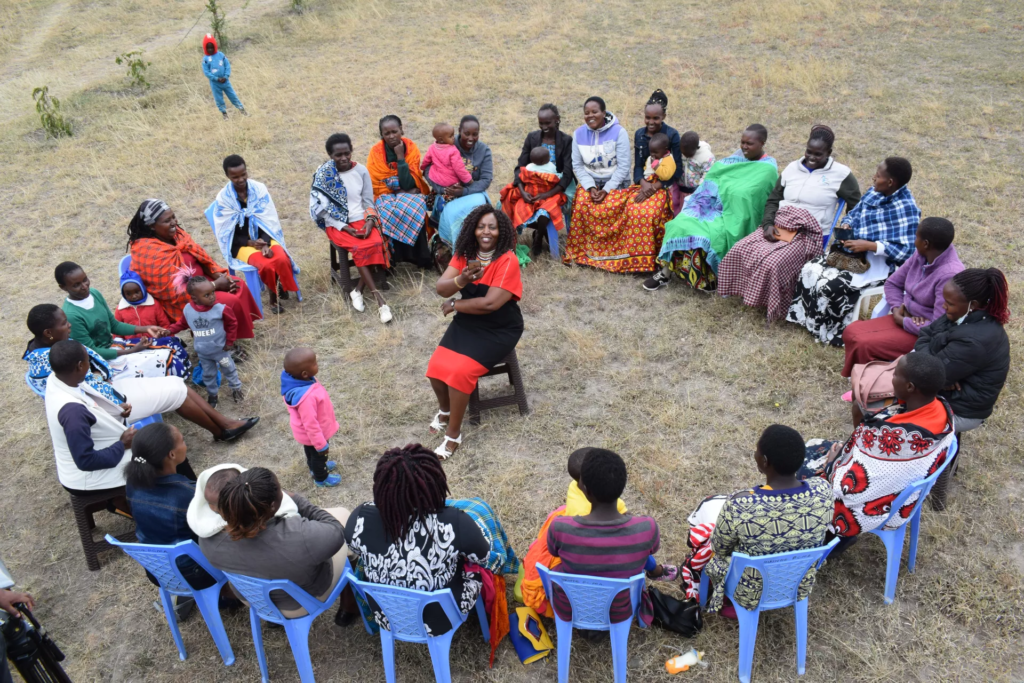
The Anti-FGM board is currently leading initiatives to tame the vice such as Dear Daughter and Daughters Against FGM which offers survivors mothers and their daughters’ safe spaces to share their stories and reconcile.
The mothers write letters to their daughters, vowing not to allow the same trauma they underwent on their girls.
An amendment to the Sexual Offences Amendment Bill 2023 by Kisii Woman Representative Doris Donya Aburi is seeking to make the existing law as punitive as possible and also give the Ministry of Education express rights to spearhead countrywide sensitization.
A call for the duty bearers to also focus on FGM organizers and shun majorly focusing on mothers and survivors has also been made.


