
Construction of Phase 2B and 2C of the Standard Gauge Railway (SGR) from Naivasha to Kisumu and onward to Malaba is expected to begin in March, marking a major step in Kenya’s long-term transport and trade strategy.
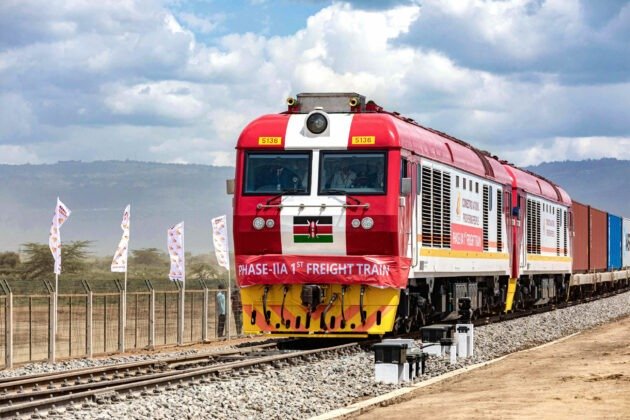
The 269-kilometre extension from Suswa/Naivasha to Kisumu — with approximately 83 kilometres running through Kisumu County — is poised to reshape logistics, ease passenger travel and unlock economic growth across multiple counties in the Rift Valley and western Kenya.
But how exactly will this new rail link change lives and business across the region?
Connecting counties, unlocking trade corridors
The new SGR phase will extend from Naivasha through Narok and Bomet, into Kericho, before entering Kisumu County through Sondu, passing Ahero and Kisumu Town, and continuing toward Malaba in Busia County near the Uganda border.
By linking these counties directly to the existing SGR network from Mombasa to Nairobi and Naivasha, the railway will create a continuous corridor from the Port of Mombasa to western Kenya and onward to East Africa.
President William Ruto has consistently framed the SGR expansion as a regional integration project aimed at lowering the cost of doing business and strengthening Kenya’s position as a logistics hub.
The Malaba connection is particularly strategic because it links Kenya to Uganda and the broader Great Lakes region, facilitating cross-border trade and reducing reliance on road freight.
Cutting transport costs and improving logistics
One of the biggest impacts of the Naivasha–Malaba extension will be in freight transport.
Currently, a large percentage of goods moving from Mombasa to western Kenya and neighboring countries are transported by road, leading to high fuel costs, traffic congestion and road damage.
The SGR extension is expected to shift bulk cargo — including fuel, cement, agricultural produce and manufactured goods — from trucks to rail. Rail transport is generally cheaper per tonne, faster over long distances and less vulnerable to traffic delays.
For counties such as Kericho, known for tea production, and Kisumu, which is positioning itself as a logistics and industrial hub around Lake Victoria, reduced transport costs could significantly improve competitiveness.
Lower logistics costs can translate into lower consumer prices and improved profit margins for businesses.
Boosting passenger travel and regional mobility
Beyond cargo, the SGR extension is expected to improve passenger travel between Nairobi and western Kenya.
Currently, road travel from Nairobi to Kisumu can take six to eight hours depending on traffic and weather conditions. The SGR could significantly reduce travel time while offering a safer and more predictable alternative.
Improved rail connectivity may also boost tourism to Lake Victoria, Kisumu City and surrounding counties, while making it easier for students, traders and workers to move between regions.
For Busia County and border communities near Malaba, faster rail access could stimulate cross-border commerce and travel.
Kisumu County’s stake in the project
Kisumu Governor Anyang’ Nyong’o has already outlined the county’s expectations ahead of construction.

“The County Government’s priorities are clear: meaningful local participation, job creation for youth and skilled professionals, inclusion of local enterprises in procurement and supply chains, responsible environmental management, fair and transparent engagement with affected communities and alignment of the railway corridor with sustainable urban and industrial planning,” Prof. Nyong’o said.
He confirmed that the 83-kilometre stretch within Kisumu County will run from Sondu through Ahero to Kisumu Town and continue toward Malaba via Kisumu West Sub-County.
“We held a consultative meeting with key stakeholders, including Members of Parliament and Members of County Assembly from affected areas in Kisumu County,” he said.
The meeting brought together leadership from Kenya Railways led by Managing Director Phillip Maingi, senior officials from the National Land Commission and representatives of the National Government led by Regional Commissioner Flora Mworoa.
Discussions focused on compensation for Project Affected Persons (PAPs), youth participation in construction and broader community impacts.
“We resolved that all relevant agencies will conduct grassroots consultations in local villages as implementation begins, ensuring communities are directly engaged in this transformative project,” Governor Nyong’o added.
Job creation and industrial growth
Large infrastructure projects such as the SGR typically generate thousands of direct and indirect jobs during construction, ranging from engineering and skilled labor to supply chain services.
If aligned with industrial planning, the railway corridor could stimulate growth of special economic zones, agro-processing plants and logistics parks, particularly around Naivasha and Kisumu.
Over time, improved connectivity may encourage investors to establish factories closer to western Kenya’s agricultural zones, reducing reliance on Nairobi as the central manufacturing base.
A long-term economic bet
While financing, land compensation and environmental concerns remain key issues to manage, the Naivasha–Kisumu–Malaba SGR extension represents a long-term economic bet.
If successfully implemented, it could deepen regional integration, reduce transport costs, create jobs and reposition western Kenya as a central player in national and regional trade.
For counties along the corridor — Narok, Bomet, Kericho, Kisumu and Busia — the railway is more than steel tracks. It is a potential engine of transformation.

