
The Lamu Port-South Sudan-Ethiopia Transport (LAPSSET) Corridor is Africa’s largest single infrastructure project, designed to transform Kenya into a regional transport and logistics powerhouse while opening up the country’s northern frontier and deepening trade links across East Africa.
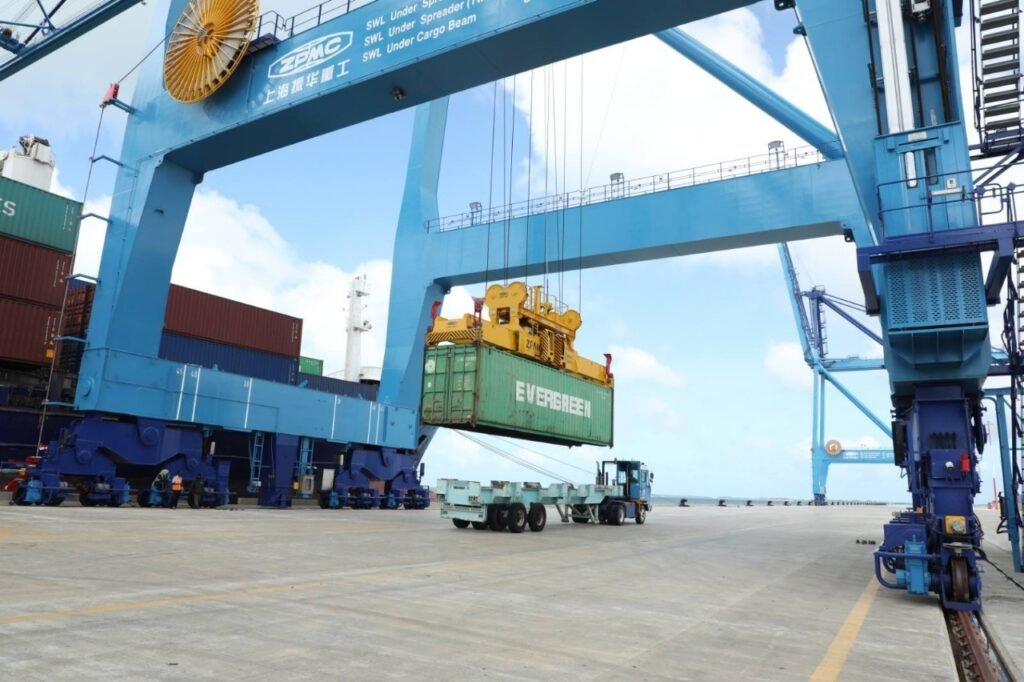
Valued at an estimated $24.5 billion (approximately KSh 2 trillion), the mega project seeks to create a second major transport corridor after the Mombasa–Nairobi axis, positioning Lamu as a new gateway for regional and global commerce.
The cost and key components
The total projected cost of the LAPSSET programme stands at about $24.5 billion, covering multiple large-scale infrastructure components spread across Kenya, South Sudan and Ethiopia.
At the heart of the corridor is the Lamu Port, estimated at $3.1 billion for the construction of 23 berths. The port is designed as a deep-water facility capable of handling large container ships, reducing Kenya’s reliance on the Port of Mombasa and increasing cargo capacity.
Another critical component is the Standard Gauge Railway (SGR), initially projected at $7.1 billion, although more recent estimates for the full railway network have risen to about $16 billion. The rail line is expected to link Lamu to Ethiopia and South Sudan, improving cargo movement across the region.
The crude oil pipeline, estimated at around $3 billion, will facilitate transportation of oil from South Sudan and northern Kenya to the coast for export. Meanwhile, the highway network, valued at approximately $1.4 billion, is intended to connect remote northern counties to the port and neighboring countries.
Funding for the project has largely come from the Government of Kenya through domestic tax revenue, alongside partnerships with development financiers such as the African Development Bank and Exim Bank of China.
How LAPSSET transforms the coast
For Kenya’s Coast region, LAPSSET represents a significant economic shift. The Lamu Port is expected to transform the historically quiet archipelago into a major logistics and maritime hub.
Beyond the port, the project blueprint includes a planned resort city at Manda Bay, an international airport and a Special Economic Zone aimed at attracting global investors in manufacturing, logistics and services. These developments are expected to diversify the region’s economy beyond tourism and fishing.
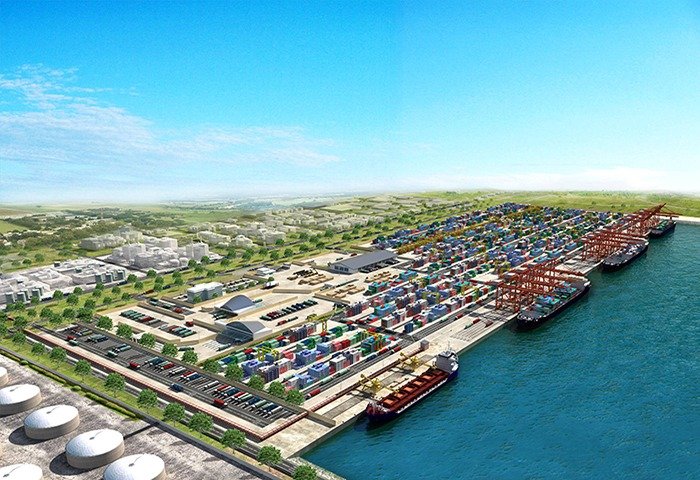
The project is projected to create more than 1.5 million jobs directly and indirectly, particularly in construction, logistics, hospitality and trade. Infrastructure growth under LAPSSET also includes essential services such as desalination plants—one project valued at KSh 106 billion—and expanded power supply to support industrial growth.
By integrating transport, energy and urban development, LAPSSET is positioned as a long-term economic anchor for coastal counties and northern Kenya.
Leaders weigh in on the vision
President William Ruto has described the corridor as central to Kenya’s development strategy. “2026 becomes the year of execution at scale. The future of Kenya lies in bold infrastructure investments. The LAPSSET Corridor is not just a project — it is a lifeline for inclusive growth,” he said.
Lamu leaders have also emphasized the regional impact of the corridor. Hon. Ruweida Obo noted, “LAPSSET supports about 800 million people along the corridor. Removing one component will bring mistrust among marginalised communities in Lamu and other East African countries.”
From a regional perspective, Jubbaland Minister Abdiwahab Ahmed Osman stated, “The LAPSSET Project is key to boosting economic growth and enhancing trade across East Africa.”
The vision for LAPSSET dates back to former President Mwai Kibaki, who at the project’s launch said it would “completely open up the North of Kenya and spur up the economic growth of that area in our lifetime.”
As implementation continues, LAPSSET remains one of Kenya’s most ambitious infrastructure undertakings, carrying both high expectations and high stakes for economic transformation at the coast and beyond.

