
As South Africa moves closer to a controversial June 30 deadline set by anti-immigration groups demanding undocumented migrants leave the country, thousands of foreign nationals are facing growing uncertainty, fear and displacement.
Across several cities, particularly in KwaZulu-Natal, migrants from countries including Malawi, Zimbabwe, Mozambique, Ghana and Nigeria have reported threats, intimidation and increasing hostility. The situation has prompted some governments to organize emergency repatriation efforts for their citizens amid concerns that tensions could escalate further.
Growing Fear Among Migrant Communities
For many migrants, daily life has become increasingly difficult. Reports have emerged of families abandoning their homes after receiving threats from groups demanding that foreigners return to their countries of origin.
In Durban, thousands of migrants have reportedly gathered in temporary locations seeking safety and support from humanitarian organizations. Many describe living in constant fear as anti-migrant rhetoric continues to spread through protests and social media campaigns.
Some migrants say they are avoiding public places, keeping children out of school and limiting movement due to concerns for their safety.
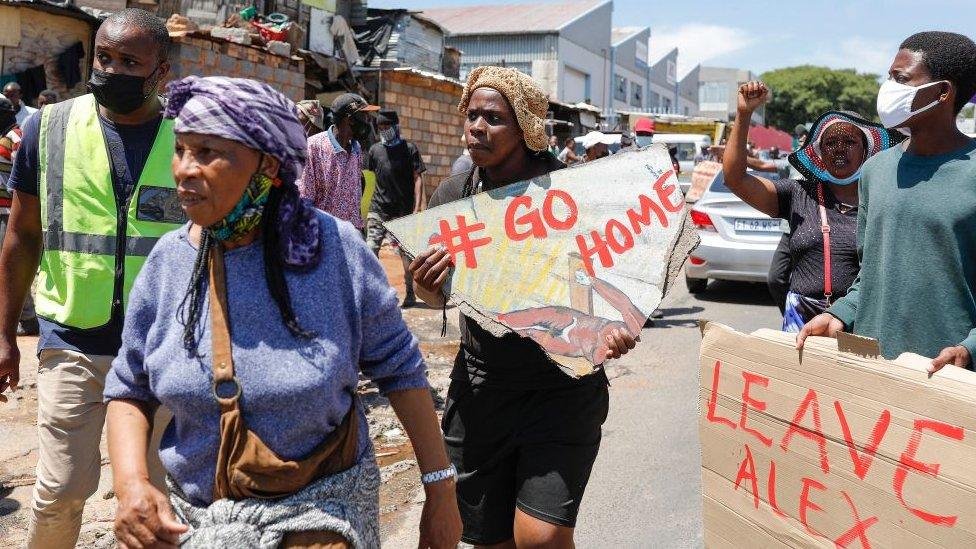
Anti-Immigration Campaign Gains Momentum
The current tensions are linked to a series of protests organized by anti-immigration activists and political groups that argue South Africa’s economic challenges are being worsened by undocumented migration.
Protesters have called on the government to enforce immigration laws more aggressively, insisting that foreign nationals living in the country illegally should leave before the end-of-June deadline.
Organizers maintain that their campaign is aimed at addressing illegal immigration rather than promoting xenophobia. However, human rights groups and migrant communities have expressed concern that the movement is fueling discrimination against all foreigners, including those with legal status.
Economic Pressures Fueling Public Frustration
The debate over migration comes as South Africa faces significant economic challenges. The country continues to struggle with high unemployment rates, particularly among young people, while many communities face pressure on public services such as healthcare, education and housing.
Some South Africans argue that undocumented migrants compete for scarce jobs and resources. Others believe the issue is more complex and linked to broader economic and governance challenges rather than migration alone.
Analysts warn that migrants are often being blamed for problems that require long-term policy solutions, including unemployment, poverty and inequality.
Governments Step Up Repatriation Efforts
In response to rising tensions, several African countries have begun assisting citizens who wish to return home. Malawi, Mozambique, Nigeria, Zimbabwe and Ghana have coordinated transport arrangements, including buses and flights, to facilitate voluntary departures.
Thousands of migrants have already registered for repatriation programmes, while many others remain uncertain about their next steps.
South African authorities have continued operations targeting undocumented migration, with officials reporting thousands of arrests linked to immigration violations this year.
Calls for Calm Ahead of Deadline
President Cyril Ramaphosa has urged citizens to reject xenophobia and warned that targeting vulnerable groups will not solve the country’s economic difficulties.
The government has also announced measures aimed at strengthening immigration enforcement, improving border management and addressing corruption within the immigration system.
Human rights organizations are meanwhile calling for restraint, warning that inflammatory rhetoric could trigger violence similar to previous outbreaks of xenophobic attacks witnessed in 2008, 2015 and 2019.
With less than two weeks remaining before the June 30 deadline, uncertainty continues to dominate migrant communities across South Africa as many weigh whether to stay, leave or seek protection amid growing tensions.


