
Kenya’s government will deploy “every necessary action” to contain rising fuel prices after conflict in Iran disrupted global oil supply chains and pushed up shipping and insurance costs, Deputy President Kithure Kindiki has said.
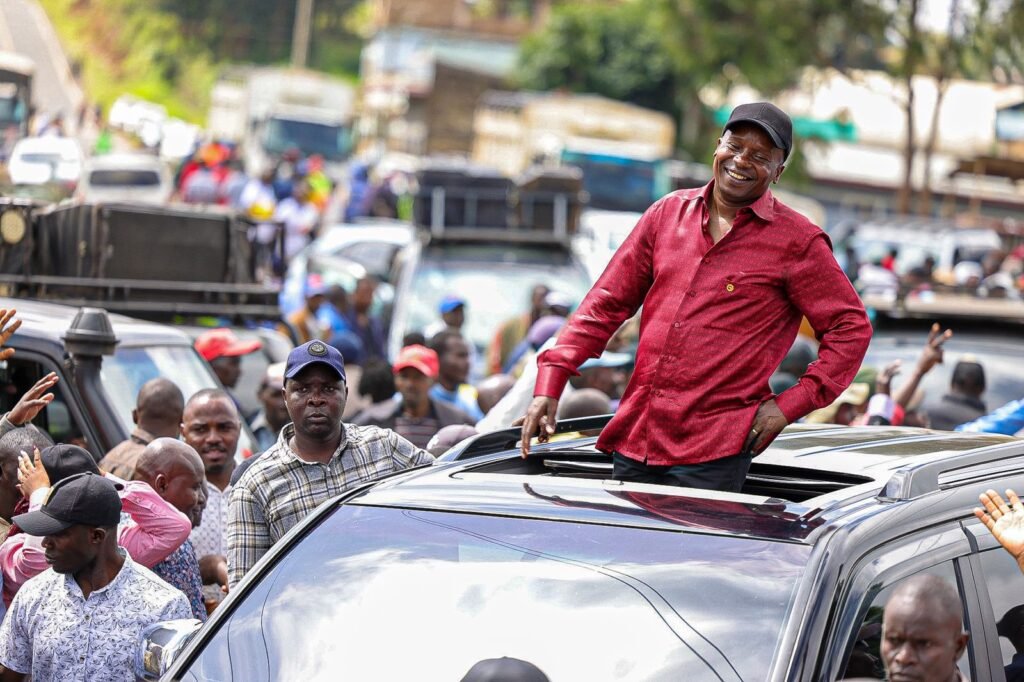
Speaking during a tour of development projects in Meru County on Friday, Prof Kindiki said the administration was weighing additional interventions to shield households and businesses from escalating energy costs linked to instability in the Persian Gulf.
“The cost of fuel, its insurance and shipping has risen significantly because of the war in Iran,” he said. “We are implementing every necessary action to stabilise fuel prices.”
The remarks underscore growing concern within Nairobi over the economic fallout from geopolitical tensions in the Middle East, which have rattled global oil markets and threatened supply routes through the Gulf region.
The government has already halved Value Added Tax on fuel to 8 per cent from 16 per cent and released KSh5bn in subsidies in an effort to moderate pump prices. Officials are now considering additional cushioning measures as transport fares and broader living costs come under pressure.
Prof Kindiki acknowledged that the rise in fuel prices was not unique to Kenya, arguing that economies worldwide were grappling with the knock-on effects of supply disruptions and higher freight charges.
“Prices have increased sharply in every country because of the war in the Persian Gulf, but we are keen to ensure Kenyans do not suffer because of the disruption,” he said.
The Deputy President appealed for patience as the government implements further stabilisation measures, insisting the administration was determined to avoid a prolonged cost-of-living shock.
The comments came as Prof Kindiki inspected the nearly completed Nkubu–Rubiri–Kamurita road project and the Rubiri Last Mile Electricity Connection scheme in South Imenti constituency.
The administration is using infrastructure spending to reinforce its economic message ahead of an increasingly competitive political cycle. Meru County has been allocated more than KSh39bn for road construction and rehabilitation projects, including stalled schemes inherited from previous administrations.
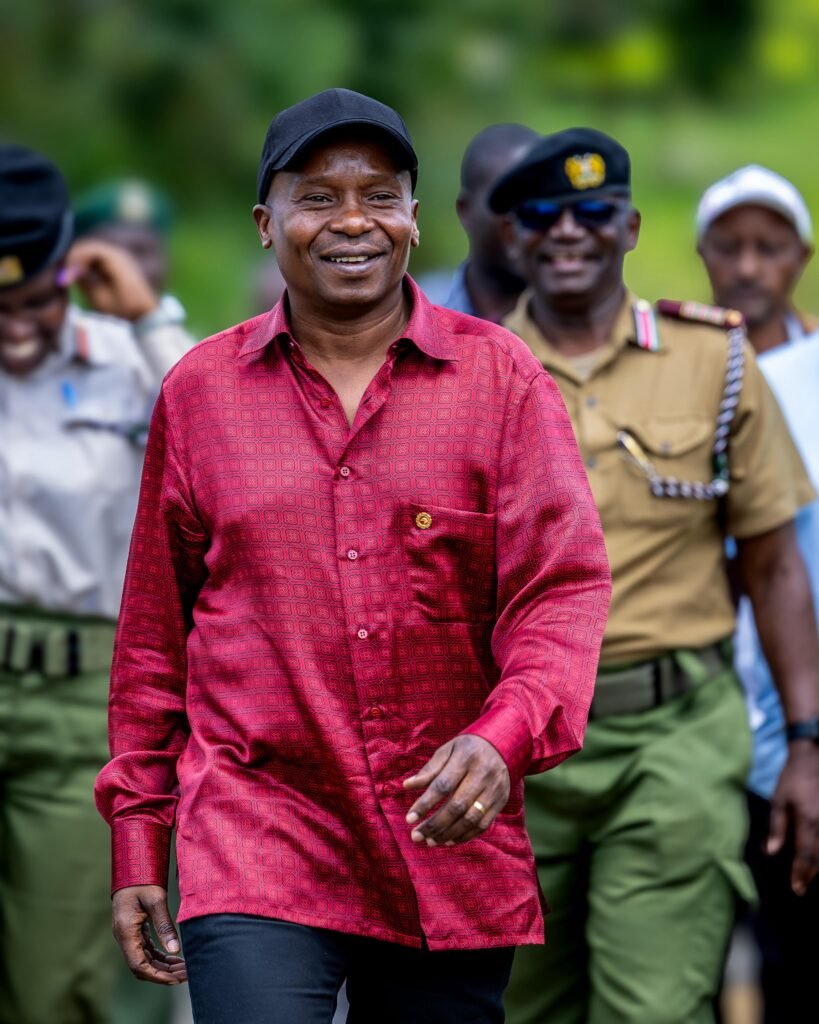
An additional KSh3.7bn has been earmarked for 17km of urban link roads in Meru town as part of efforts to support its transition into city status. Road upgrades in Nkubu are also under way.
In the energy sector, the government has released KSh1.3bn under the Last Mile Electricity Connectivity programme to connect roughly 16,000 households to the national grid in the county.
“We are fully focused on improving the lives of the people in Meru,” Prof Kindiki said, pledging timely completion of the projects.
Other flagship developments include the upgrading of Meru Referral Hospital to Level 6 status, affordable housing projects and the construction of more than 20 modern markets.
Prof Kindiki also used the visit to sharpen the administration’s political messaging ahead of the next election cycle, challenging rivals to defend their development record while in office.
“When we return seeking support, we will present what we have delivered in five years, not just rhetoric,” he said.


