
The Council of Governors (CoG) and the Ministry of Health have signed Intergovernmental Participation Agreements (IPAs) and Service Level Agreements (SLAs) that will pave the way for the establishment of Regional Cancer Centres in Garissa, Mombasa and Nakuru counties, marking a major milestone in Kenya’s fight against cancer.
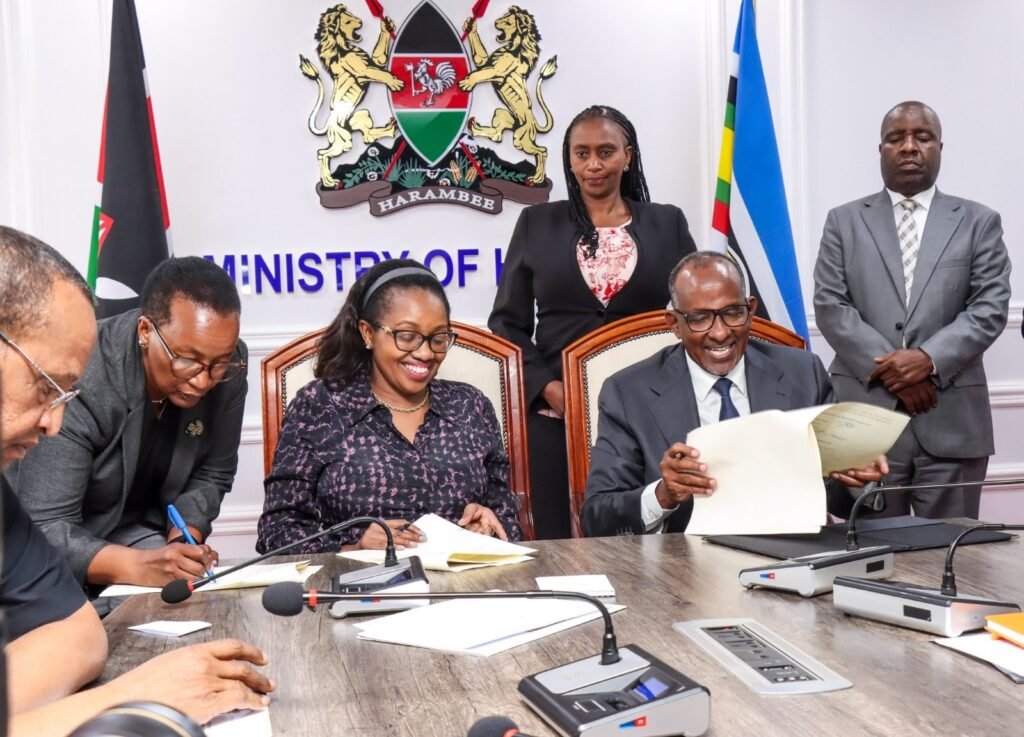
The agreements were signed during a joint session led by CoG Health Committee Chair and Mombasa Governor H.E. Abdulswamad Shariff Nassir and Health Cabinet Secretary Hon. Aden Duale, reinforcing cancer care as a shared responsibility between the national and county governments.
Joint effort to tackle rising cancer burden
Cancer remains one of Kenya’s leading public health concerns, with an estimated 27,000 patients in need of radiotherapy services. The new partnership underscores the need for joint financing, staffing and provision of essential consumables to expand access to life-saving treatment.
Under the SLAs, a tripartite collaboration has been established between the Ministry of Health, County Governments and VMS Kenya to ensure sustainable maintenance of linear accelerators and other critical oncology equipment. The move is expected to enhance diagnostic accuracy, improve treatment outcomes and reduce equipment downtime in public facilities.
The agreements also clarify roles and responsibilities across the three partners, ensuring structured coordination in the delivery of cancer services.
Addressing overcrowding and expanding access
The urgency of expanding oncology services has been underscored by the pressure facing existing facilities. Nakuru Cancer Centre, for instance, currently serves 15 counties and handles up to 70 patients daily against an estimated demand of 150 patients per day.
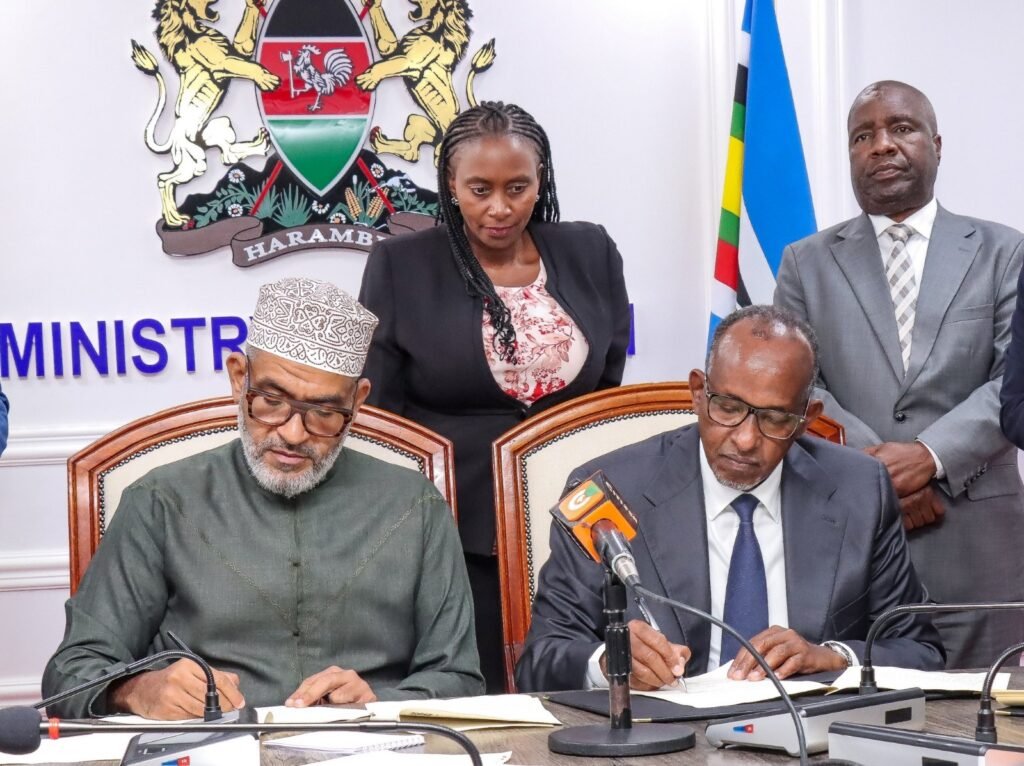
Health officials say the establishment of additional regional centres will significantly reduce congestion, shorten waiting times and bring cancer care closer to communities, especially in underserved regions.
Beyond Garissa, Mombasa and Nakuru, additional centres are planned in Kakamega, Kisii, Meru and Kisumu as part of a broader national strategy to decentralise cancer treatment and improve equity in access.
Next steps under UHC framework
Following the signing of the IPAs and SLAs, the next phase will involve operationalising the agreements, deploying oncology equipment under the National Equipment Service Programme (NESP) Project Fee-for-Service model and strengthening county-level investment in human resources, screening programmes and referral systems.
The initiative aligns with Kenya’s Universal Health Coverage agenda, which seeks to ensure equitable, efficient and affordable healthcare services across the country.
By formalising the collaboration between national and county governments, the agreements mark a significant step toward building a more resilient and accessible cancer care system, offering renewed hope to thousands of patients and families affected by the disease.

