
Afya House has secured the backing of private health insurers for a joint anti-fraud initiative aimed at curbing malpractice and restoring confidence in the country’s new universal healthcare programme, Taifa Care.
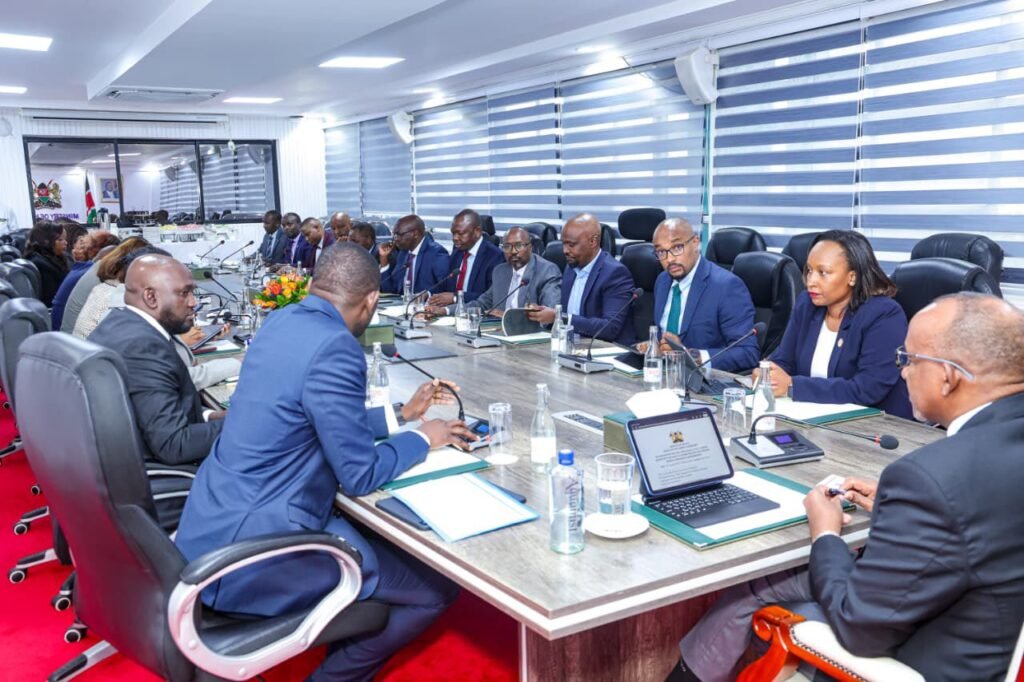
At a meeting in Nairobi chaired by Health Cabinet Secretary Adan Duale, executives from leading insurers including Jubilee, AAR and Old Mutual endorsed a package of measures to strengthen oversight of the Social Health Authority (SHA), the agency tasked with implementing Taifa Care.
The accord centres on tackling “ghost patients”, inflated claims and duplicate billing—abuses that have long undermined health financing in Kenya. Insurers will link into SHA’s centralised claims platform, allowing real-time verification of patients and services, in line with the Digital Health Act of 2023 and the Data Protection Act of 2019.
Duale said the reforms were critical to expanding access to “quality and affordable healthcare for all Kenyans, regardless of age or economic status”. Under the new framework, private insurers will offer complementary cover alongside the SHA benefits package, including elective procedures, overseas care, and premium add-ons. They will also co-finance chronic care in partnership with the SHA’s emergency fund for critical and long-term illness.
Another plank of the agreement is the harmonisation of accreditation standards for hospitals and clinics, aimed at reducing inconsistencies in service quality and ensuring equitable access. Insurers pressed the government to move swiftly on strengthening the National Health Registry to create a single, reliable database of patient and provider information.
The companies also urged the introduction of a clear regulatory framework for drug pricing. They argue this would help curb runaway pharmaceutical costs, improve transparency, and reinforce integrity in the sector—long a source of public mistrust.
Duale acknowledged the structural weaknesses hampering Kenya’s health system, but pointed to ongoing legislative and data-driven reforms as evidence of intent. “Fraud and inefficiencies have cost the system dearly. Only by working jointly—government, insurers, regulators—can we restore public trust,” he said.
The meeting brought together senior officials including Medical Services Principal Secretary Ouma Oluga, SHA chief executive Mercy Mwangangi and Digital Health Authority director Anthony Lenayara. They were joined by regulators from the Kenya Medical Practitioners and Dentists Council and insurance industry leaders.
The emphasis on collaboration underscores the delicate balancing act facing the government: broadening healthcare coverage through SHA while retaining the private sector’s participation. Analysts warn that without robust safeguards, Taifa Care risks replicating the leakages that plagued its predecessor, the National Health Insurance Fund.
By binding insurers into the system—and focusing squarely on fraud prevention—the government hopes to signal that mischief in the SHA scheme will not be tolerated.


