

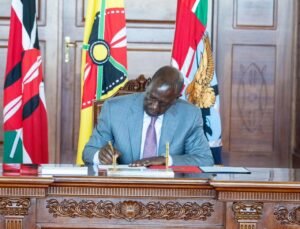
Kenyans could soon experience relief at the pump and in their daily expenses after President William Ruto assented to the Value Added Tax (Amendment) Act 2026, cutting fuel tax in a bold move aimed at easing the rising cost of living.
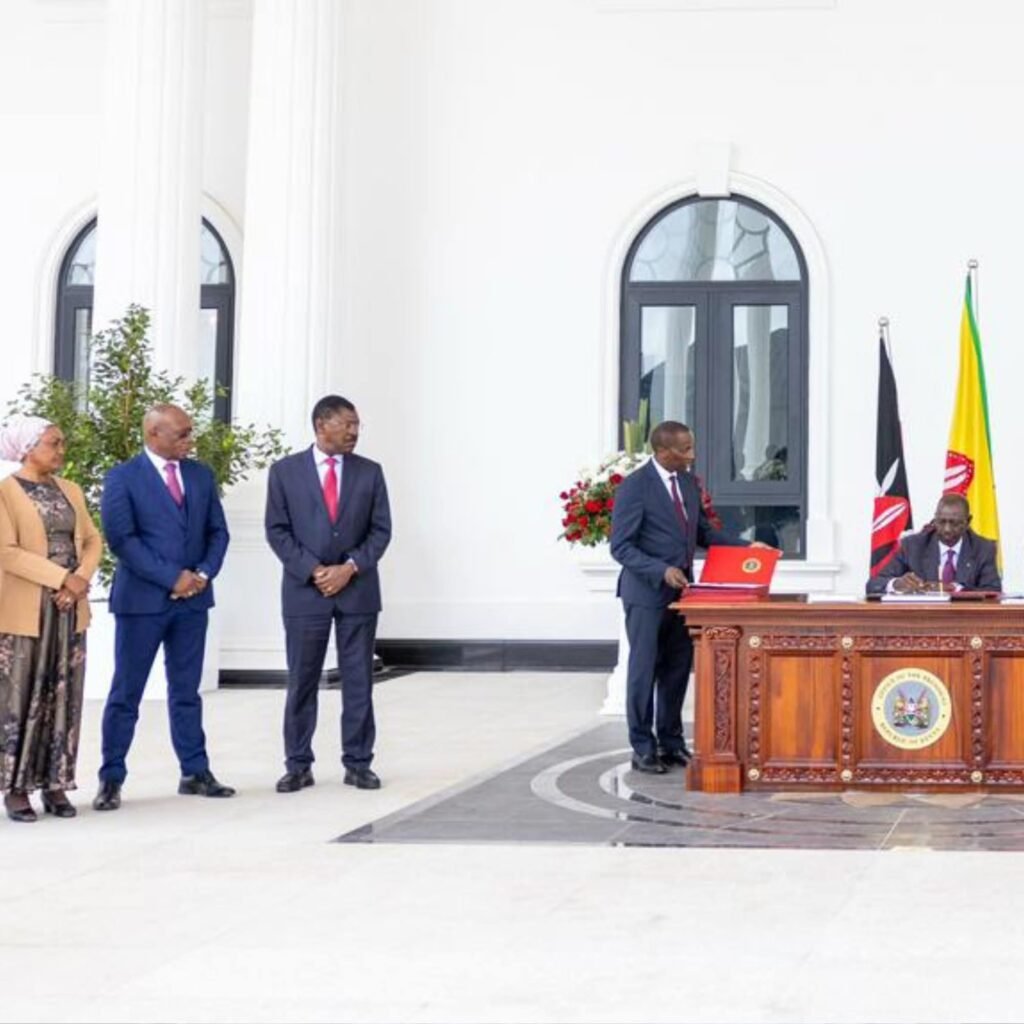
The law, signed Friday at State House Nairobi, reduces VAT on petroleum products—including petrol, diesel, and kerosene—from 16 percent to 8 percent.
Immediate impact on fuel prices
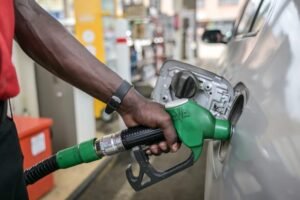
The tax cut has already taken effect, with the Energy and Petroleum Regulatory Authority (EPRA) adjusting fuel prices downward.
In Nairobi, petrol and diesel prices have dropped by approximately KSh 9.37 and KSh 10.21 per litre respectively, offering immediate relief to motorists and businesses.
Cushioning households and businesses
The government says the move is designed to protect citizens from high global fuel prices and inflation, which have significantly increased the cost of transport, food, and essential goods.
Officials expect the reduction in fuel costs to have a ripple effect across the economy, lowering transport fares and ultimately reducing the price of basic commodities.
Temporary relief with possible extension
The VAT reduction is a temporary measure set to run for 90 days, ending around mid-July 2026.
However, the National Treasury has the option to extend the relief for an additional 90 days through a Gazette notice, depending on global fuel price trends.

Additional stabilization measures
Alongside the tax cut, the government has deployed about KSh 6.2 billion from the Petroleum Development Levy to stabilize fuel prices further.
This intervention is intended to shield consumers from volatility in international oil markets and maintain affordability.
The legislation was rushed through Parliament following public outcry over rising fuel prices earlier in the week.
Introduced by Majority Leader Kimani Ichung’wah, the bill was passed by the National Assembly on April 16, just a day before receiving presidential assent.
What it means for the economy
Economists say the move could help ease inflationary pressure by lowering production and transportation costs, key drivers of high prices.
The government remains optimistic that the VAT cut will not only bring short-term relief but also stimulate economic activity by increasing consumer spending power.


