


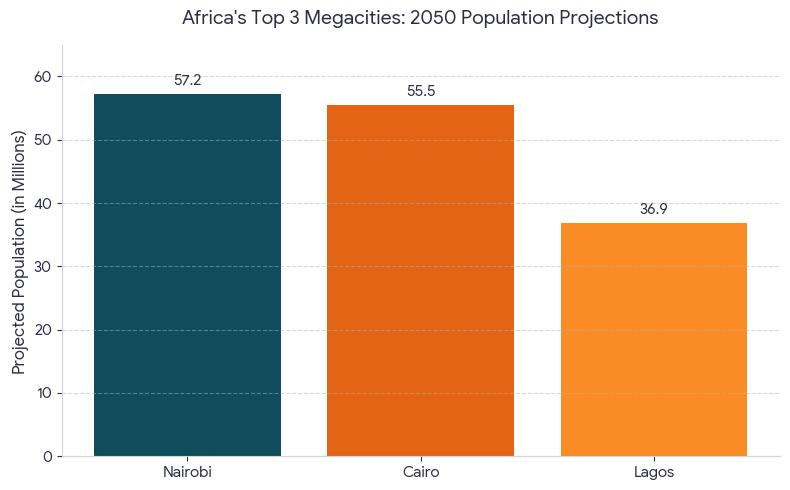
Nairobi is on course to become Africa’s largest metropolitan area by 2050, a transformation that is expected to redefine not only Kenya’s economy but also the future of urbanisation across the continent.
According to projections by the Africapolis research platform, the Nairobi metropolitan region could grow from about 15.95 million residents in 2025 to an estimated 57.2 million people by 2050. If the projections hold, the Kenyan capital will overtake Cairo and Lagos to become Africa’s biggest urban centre.
The anticipated growth reflects Nairobi’s expanding role as East Africa’s commercial, technological and financial hub. However, it also presents enormous challenges that will test the city’s infrastructure, housing capacity, transport systems and long-term planning.
Population boom driven by migration and economic opportunities
The rapid expansion is expected to be fuelled largely by rural-to-urban migration as thousands of young Kenyans relocate to Nairobi every year in search of employment, education and improved public services.
Despite years of devolution, Nairobi continues to dominate Kenya’s economy, accounting for approximately one-quarter of the country’s Gross Domestic Product (GDP). The concentration of government institutions, multinational corporations, financial services and manufacturing industries continues to attract businesses and skilled workers from across the region.
The city’s growing reputation as Africa’s “Silicon Savannah” has further accelerated this trend, with global technology firms such as Microsoft and Meta establishing regional operations in Nairobi.
The continued expansion of digital businesses, fintech companies and innovation hubs has reinforced Nairobi’s position as one of Africa’s fastest-growing investment destinations.
Skyscrapers transforming Nairobi’s skyline
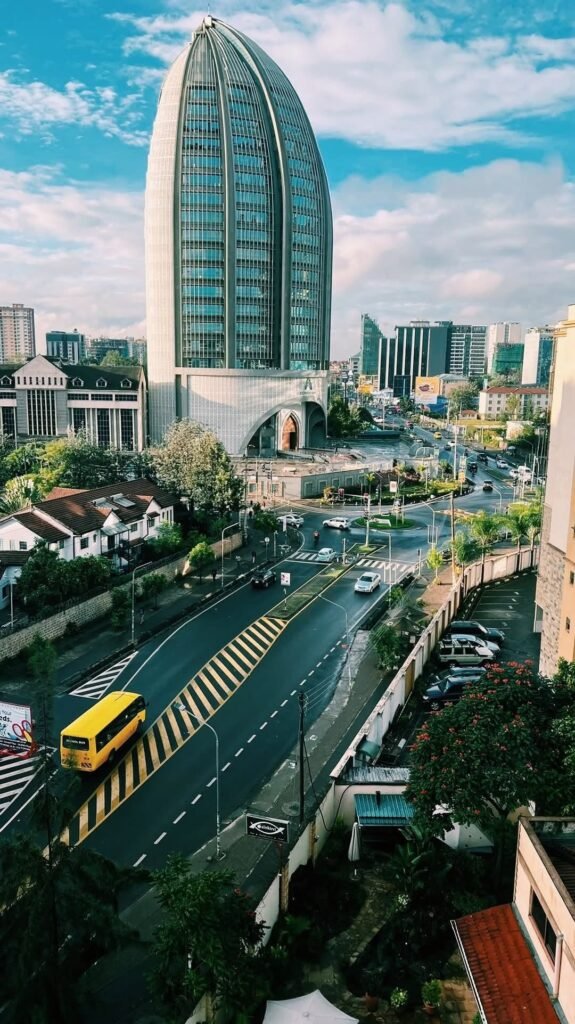
To accommodate rapid urban growth, Nairobi is undergoing one of its most dramatic physical transformations since independence.
New zoning regulations introduced by the Nairobi City County Government have encouraged high-density development in formerly low-rise residential neighbourhoods.
Areas such as Kilimani, Kileleshwa, Westlands and Upper Hill are witnessing an unprecedented construction boom as developers replace old standalone houses with multi-storey apartment complexes, office towers and mixed-use developments.
Recent planning reforms have also relaxed previous height restrictions in selected commercial zones, opening the door for significantly taller developments as developers seek to maximise increasingly scarce urban land.
While vertical expansion is helping meet rising housing demand, residents continue to raise concerns over pressure on sewer systems, water supply, electricity networks and local roads.
Urban planners warn that infrastructure upgrades must keep pace with construction if the city is to avoid worsening congestion and declining public services.
Massive transport investments reshape mobility
Transport remains one of Nairobi’s biggest challenges, with traffic congestion costing businesses billions of shillings annually through lost productivity.
In response, the government has embarked on several large-scale transport projects aimed at modernising urban mobility.
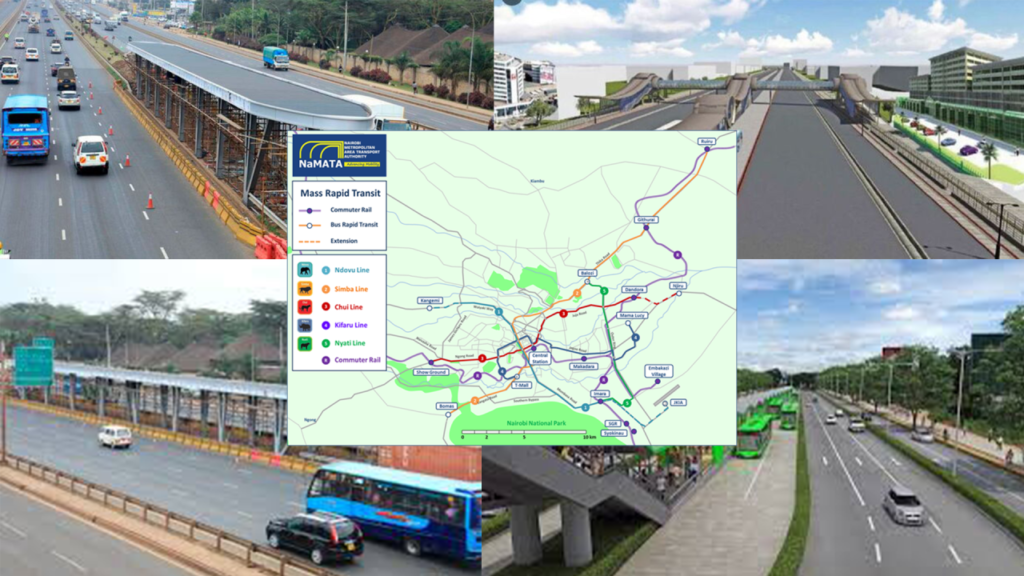
The Nairobi Commuter Rail network is undergoing extensive upgrades through the Kenya Urban Mobility Improvement Project (KUMIP), backed by World Bank financing. Plans include electrification of commuter rail lines, acquisition of modern Electric Multiple Units (EMUs) and rehabilitation of the Nairobi-Thika corridor.
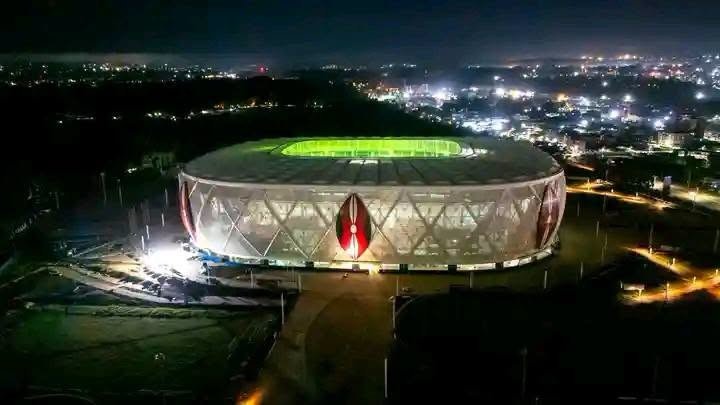
Rail infrastructure is also being expanded ahead of the 2027 Africa Cup of Nations (AFCON), with new stations planned to serve Talanta Sports City, Nyayo National Stadium and Moi International Sports Centre, Kasarani.
Meanwhile, construction continues on Nairobi’s Bus Rapid Transit (BRT) network.
The Ruiru-CBD Simba Corridor (Line 2) is expected to introduce dedicated lanes for high-capacity buses, while Line 5 along Outer Ring Road will include modern stations designed to reduce travel times and improve public transport efficiency.
Together, the projects aim to reduce congestion, lower emissions and improve connectivity across the metropolitan region.
Konza Technopolis eases pressure on the capital
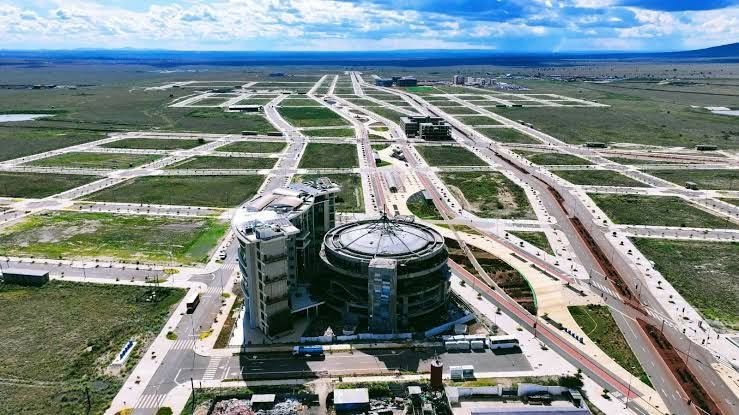
Beyond Nairobi itself, the government is positioning Konza Technopolis as an alternative growth centre capable of absorbing some of the capital’s future expansion.
Located approximately 60 kilometres southeast of Nairobi, the 5,000-acre smart city continues to develop digital infrastructure designed to attract technology firms, research institutions and innovation-driven industries.
The recently enacted Technopolis Act, 2026, broadened the mandate of the Technopolis Development Authority, enabling it to oversee technology ecosystem development beyond Konza itself.
Key infrastructure already completed includes a Tier III National Data Centre, smart road networks, electricity substations and high-speed digital connectivity.
Although investment in physical infrastructure has progressed steadily, attracting sufficient private investors and permanent residents remains one of Konza’s biggest challenges.
Many technology companies continue to favour Nairobi’s established business ecosystem despite the incentives offered within the smart city.
Housing and planning challenges remain
Experts caution that Nairobi’s rapid expansion could worsen existing urban challenges unless planning keeps pace with population growth.
Across sub-Saharan Africa, millions of urban residents already spend more than 30 per cent of their income on housing, while the United Nations estimates the region faces an immediate housing deficit exceeding 120 million units.
Nairobi also faces limitations in transport infrastructure, with roads occupying only a fraction of urban land compared to established global cities such as London and Manhattan.
Urban planners argue that investing in roads, sewerage systems, water supply and public transport before settlements expand is significantly cheaper than retrofitting infrastructure after development has taken place.
A defining moment for Kenya’s future
Nairobi’s projected emergence as Africa’s largest megacity represents both an extraordinary opportunity and a major governance challenge.
If supported by strategic planning, expanded transport systems, affordable housing programmes and sustainable urban policies, the city’s growth could strengthen Kenya’s position as one of Africa’s leading economic powerhouses.
However, failure to match population growth with adequate infrastructure and public services could place immense pressure on the capital and reduce the quality of life for millions of residents.
As 2050 approaches, the decisions made today on planning, investment and governance will determine whether Nairobi becomes a model African megacity—or a cautionary tale of growth outpacing development.


