
More than 10 Judges from across the country have hailed the Alternative Justice System model in Isiolo County over its efficiency in reducing case backlogs and resolving many disputes through trained elders.
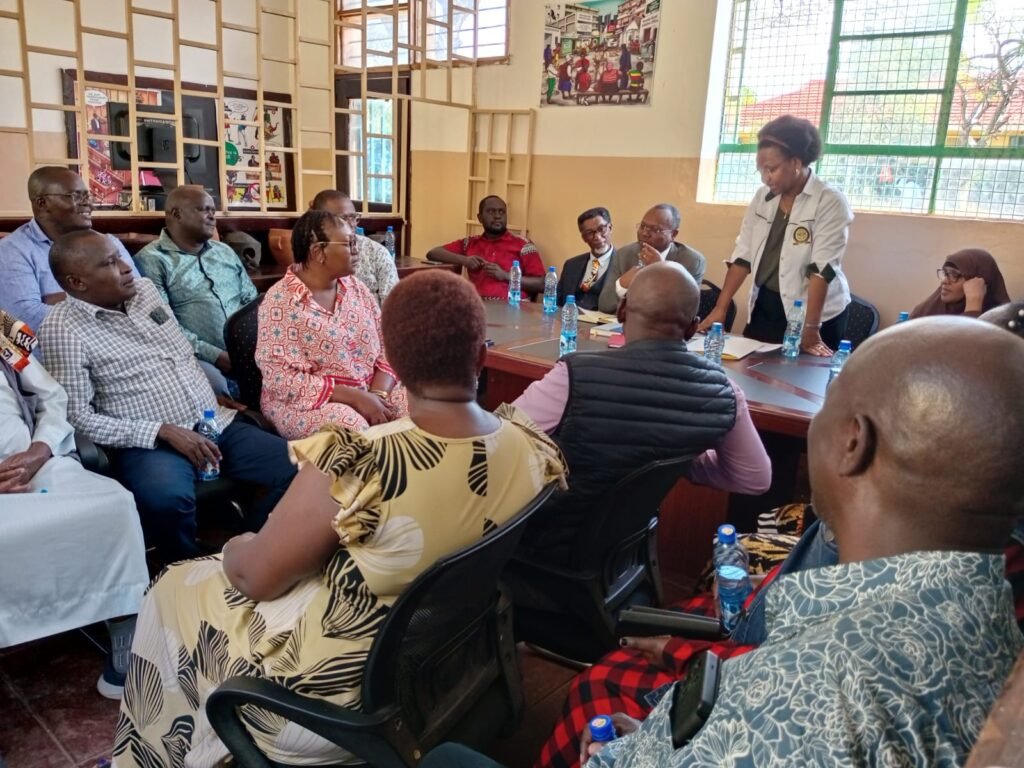
The Judges who were on a benchmarking tour of the county organized by the National Steering Committee for the Implementation of AJS Policy, were particularly impressed with how the system had expanded access for rural and marginalized communities that previously struggled to reach or access formal courts.
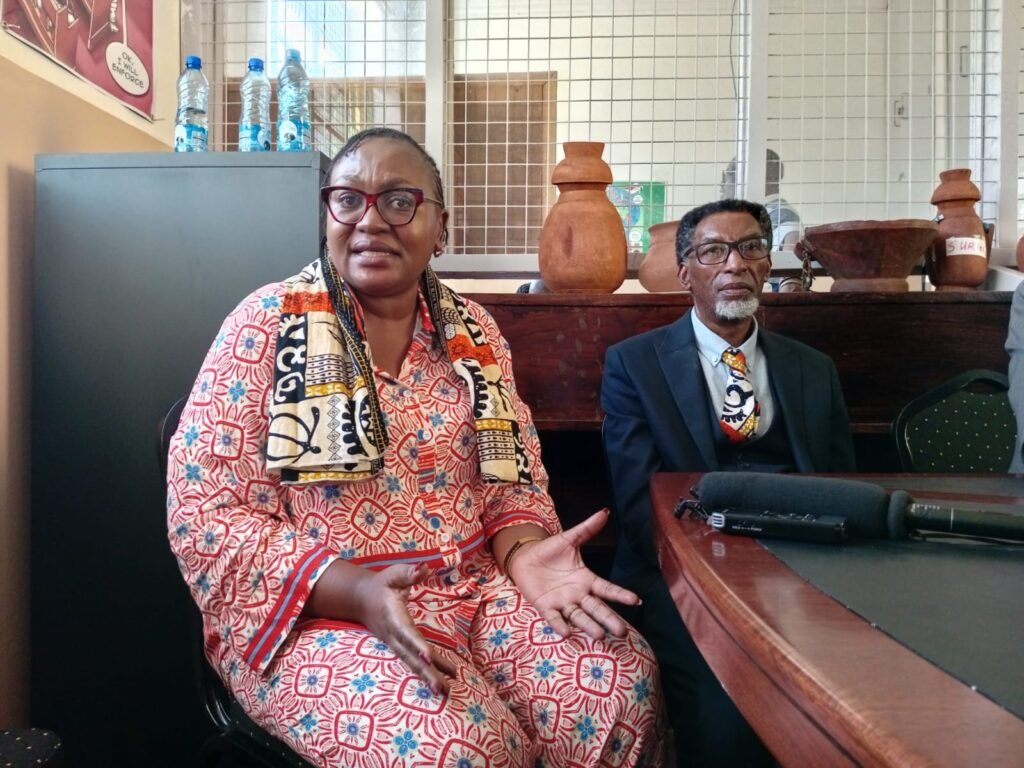
“We are impressed with how the local elders have also used the system to educate Isiolo residents on the cases that could land them in jail and which cannot be settled out of court, as well deliberate steps to protect families and promote peaceful coexistence,” Mombasa Judge Wendy Kagendo Micheni said.
While stressing on the need for continued sensitization of the public on sexual offences, the Judge drew reference to worrying sexual offences in Mombasa, that account for 80 percent of the total convicts at Shimo la Tewa Prison at 898 cases.
“There are a lot of lessons we have picked, after seeing firsthand how AJS is working in Isiolo, which we will replicate in our counties,” she said, in her address on behalf of the visiting Judges, during the Judiciary Dialogue Day at Isiolo Law Courts yesterday.
Mombasa is among the 13 counties that recently launched the AJS County Action Plans.
The visiting judges included, Justices Moses Ado Otieno, Benjamin Mwikya Musyoki, Charles Yano, Benjamin Kimani Njoroge, Rhoda Cherotich Ruto, Julius Mukut Nang’ea, Noel Onditi Adagi Inziani and Joe Omido as well as Magistrate Helene Rafaela Namisi in charge of Family matters.
Sheikh Ahmed Sett, a member of the Committee and the National Council of Elders Treasurer, revealed that a total of 300 cases, majority of them domestic in nature, were resolved through Suluhu Forum Centre, after diversion from the local Kadhi Court in 2025.
“Besides being less costly and faster, AJS has helped in adoption of customary practices which has helped promote cultural relevance, strengthening social cohesion and promoting peace among communities living in Isiolo,” Sett, who also doubles up as Isiolo County Interfaith Network Chairperson, noted.
The elders, who normally sit under trees to determine cases, have undergone training by the Judiciary and received support from the Regional Pastoralists Peace Link among those organisations.
Isiolo Council of Elders Chairperson Abdullahi Gonjobe said his elders continually educate the public on the model and the cases that they are mandated to handle.
“This ensures they do not fall prey to rogue people masquerading as elders who lie to the public, they can handle cases outside the AJS jurisdiction, including sexual offences, through the Maslaha system,” he said.
Joyce Nairesiae, who has been instrumental in AJS within the Samburu Community where she hails from, said the model had proven more effective to solving family disputes.
“Many of our people are unable to afford legal fees for representation in the formal courts which makes AJS which happens at the village, ideal option for them. Inclusion of women and youth has helped build confidence in the process, especially in handling low-risk Gender Based Violence related issues,” she said.
The Judiciary had in February 2024 announced plans to construct a workspace within Isiolo town where the elders would listen to and determine cases and refer them to court if unable to resolve them fully, work that was to be done through a partnership between the Judiciary, the International Development Law Organisation (IDLO) and the county government of Isiolo.
NaSCI-AJS Chairperson, Justice Joel Ngugi who was accompanied by committee member Judge Francis Gikonyo revealed that a total of 13 counties had already established county AJS action plans and that 12 more would complete the process by the end of the year.
They include Mombasa, Narok, Kajiado, Kisumu and Nakuru counties.
“We are committed to continuously capacity build the elders so that they dispense justice with utmost professionalism and in adherence with the legal provisions on non-discrimination and respect for human rights,” Prof Ngugi said.
Justice Ngugi said a survey by the Judiciary had shown that a paltry 19 percent of the cases are taken to courts with 64 percent resolved through AJS whose Baseline policy to mainstream traditional forms of justice in Kenya was launched by former Chief Justice David Maraga in August 2020 as Kenya marked a decade after promulgation of Constitution 2010.
The AJS system seeks to ensure justice is easily accessible to Kenyans and reduce the number of people being incarcerated for petty crimes by offering warring parties’ various options to resolve their disputes.
Among other Judicial officers in attendance were Presiding Judge Sophie Chirchir, Senior Principal Magistrate Elias Mwenda and Senior Resident Magistrate Maurine Odhiambo who responded to questions raised by Isiolo residents who attended the Judiciary Dialogue Day.


