
Proposed changes before Parliament could affect how schools are regulated, teachers trained, learners assessed and tertiary education financed. Here is what parents, students and teachers need to know.
Kenya’s education system could be heading for another major legal overhaul as Parliament considers a series of Bills touching almost every stage of a learner’s journey.
The proposals cover basic education, teacher training, tertiary education funding, national assessment, academic qualifications and curriculum development.
For parents and learners, the important question is not simply what each Bill is called, but what could actually change if Parliament passes the proposals.
Here are the areas to watch.
1. Basic education: tighter school oversight
The Basic Education (Amendment) Bill, 2026 seeks to update the legal framework governing schools as Kenya continues implementing Competency-Based Education.
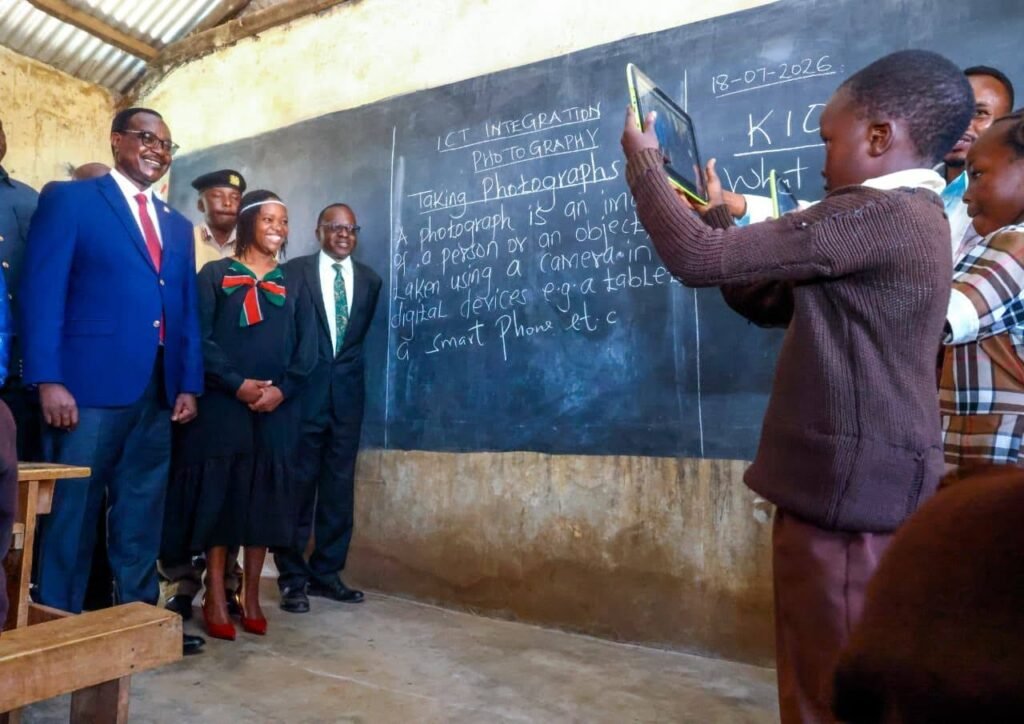
Among the proposed changes are stronger quality assurance and inspection, improved regulation of schools and measures aimed at protecting learners.
One proposal that could directly affect parents is the tougher approach to institutions operating outside the formal education system. The proposed framework seeks to strengthen oversight of schools and compliance with national standards.
For parents, this makes one issue increasingly important: checking whether a school is properly registered and operating within the required education standards.
The reforms also seek to strengthen the management and protection of learners, including those whose education is disrupted by difficult social or economic circumstances.
2. University and TVET funding could get a new structure
For students preparing to join university, college or TVET institutions, the Tertiary Education Placement and Funding Bill, 2026 could be one of the most significant proposals.
The Bill proposes establishing the Tertiary Education Funding Authority (TEFA) to coordinate tertiary education financing.
The proposed arrangement would bring together functions currently spread across different funding institutions, including HELB, the Universities Fund and TVET financing.
The government has presented the proposed changes as a way of creating a more coordinated system for funding students in higher education.
For students, the bigger question will be how the new system determines who receives loans, scholarships or other forms of support.
It is important, however, to remember that the proposed system is not yet law. Students should continue using the existing official funding arrangements until any new framework takes effect.
3. Teachers could face new training and professional development rules
The Pre-Service Education and In-Service Training in Basic Education Bill, 2026 focuses on how teachers are prepared before entering the profession and how they continue developing their skills while in service.
The proposal comes as Kenya continues adapting teacher preparation to the demands of competency-based education.
For teachers, the important issue is the potential for a more structured system of pre-service training and continuing professional development.
This could affect teacher trainees as well as serving teachers seeking to remain professionally up to date.
The exact obligations, however, will depend on the final legislation and any regulations introduced after Parliament completes its consideration.
4. National assessment could get a new legal framework
Another proposal seeks to establish a new legal framework for national educational assessment through the Kenya National Educational Assessment Council Bill, 2026.
The proposed framework is intended to support assessment under the competency-based system while strengthening the administration of national assessments.
For learners and parents, this matters because assessment is one of the biggest practical differences between the traditional examination system and the competency-based approach.
The proposed legislation would also strengthen the legal framework surrounding assessment malpractice.
The broader direction is towards an assessment system that captures more than performance in a single examination.
5. Academic qualifications and curriculum are also being reviewed
Two other proposals deal with what happens beyond the classroom.
The Kenya National Qualifications Framework (Amendment) Bill, 2026 seeks to strengthen the country’s system for managing and recognising academic and professional qualifications.
This could affect graduates seeking employment or further studies, particularly where qualification verification and recognition are concerned.
The Kenya Institute of Curriculum Development (Amendment) Bill, 2026, meanwhile, seeks to clarify KICD’s mandate and streamline its operations.
That matters because KICD sits at the centre of curriculum development and the preparation of learning materials used in schools.
What the proposals mean for you
Parents: Watch changes to school regulation, learner protection, curriculum and assessment.
Teachers: Pay attention to proposed changes to teacher preparation and continuing professional development.
Secondary school students: Changes to assessment and the wider competency-based education framework could affect how learning is evaluated.
University and TVET students: The proposed TEFA system could change how tertiary education funding is organised.
Graduates: Changes to the national qualifications framework could affect qualification recognition and verification.
These are proposals, not yet law
This is perhaps the most important point for anyone following the reforms.
The proposed changes do not automatically become law simply because a Bill has been introduced or is being considered by Parliament.
Bills can be amended during parliamentary debate and committee consideration. Their final provisions may therefore differ from the versions currently under discussion.
Parents, teachers and students should consequently avoid making major decisions based solely on provisions that have not yet been enacted.
The reforms are worth watching, however, because together they could reshape some of the institutions and processes that underpin Kenya’s education system—from how teachers are trained and learners assessed to how students access tertiary education funding.
TopNews will continue tracking the Bills as they move through Parliament and explaining what the final changes mean for learners, teachers and parents.


