
Kenya is set to progressively increase its domestic health financing to KSh50 billion by 2029/30 as the country prepares for a future in which it cannot rely as heavily on external support for healthcare.
Treasury Cabinet Secretary John Mbadi says the shift towards greater domestic financing has become a fiscal necessity, with declining external support and growing pressure on government finances forcing African countries to rethink how their health systems are funded.
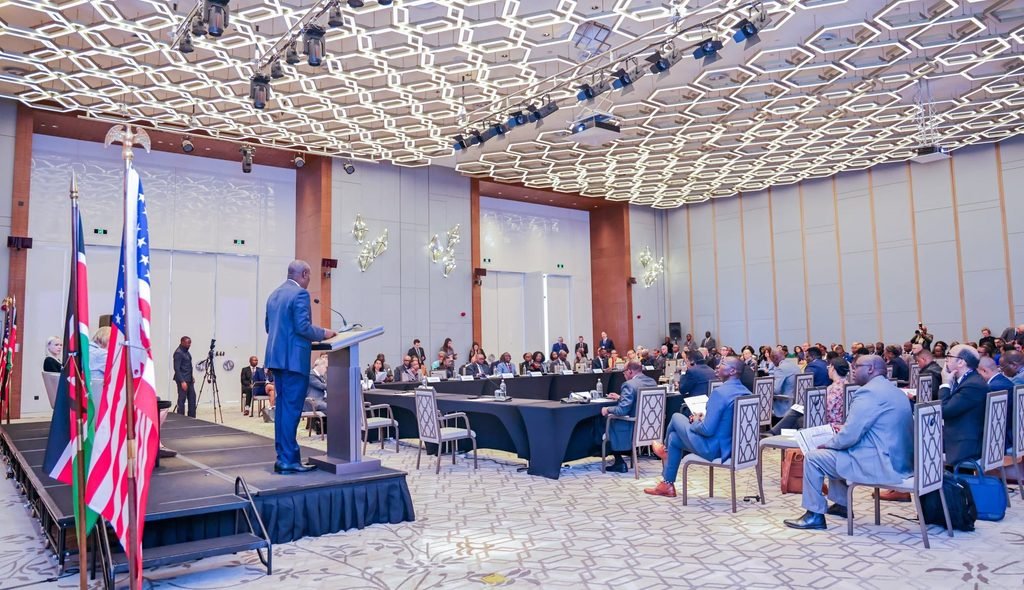
Speaking in Nairobi at a high-level Finance Ministers’ Policy Dialogue on strengthening country-led health financing, Mbadi said Kenya’s priority should not simply be to spend more on health, but to ensure that every additional shilling produces better health outcomes and greater financial protection for citizens.
Kenya has allocated KSh170.7 billion to health
Kenya’s health allocation for the 2026/27 financial year stands at approximately KSh170.7 billion, according to Mbadi.
But the Treasury Cabinet Secretary said the focus should not simply be on spending more money.
Instead, Kenya needs to improve how healthcare is financed and how effectively that money is used.
“Every additional shilling mobilised should deliver measurable improvements in health outcomes and financial protection,” Mbadi said.
For ordinary Kenyans, that means additional health spending should ultimately translate into better services, reliable medicines, stronger health facilities and lower financial pressure when seeking treatment.
Kenya’s own contribution is set to rise
The shift towards domestic financing is already reflected in the Kenya-US Health Cooperation Framework.
The framework provides for up to approximately US$1.6 billion in US support over five years, alongside increasing domestic expenditure by Kenya.
The government’s additional domestic contribution is expected to rise from KSh10 billion in FY2026/27 to KSh50 billion by FY2029/30.
The arrangement points to a gradual increase in Kenya’s responsibility for financing its health priorities.
That is important because external assistance cannot always be relied upon indefinitely. Changes in donor priorities or foreign aid budgets can leave countries having to finance programmes that were previously supported externally.
Why donor funding matters
External financing has played an important role in health programmes across Africa, supporting areas such as disease control, health systems and other public-health interventions.
A reduction in that support creates a simple question for governments:
Who pays for the services when the external money becomes smaller?
Mbadi’s answer is that African countries need to strengthen their own financing systems rather than remain overly dependent on external support.
This is the thinking behind country-led health financing—governments taking greater responsibility for deciding, financing and sustaining their own health priorities.
Where will the extra money come from?
This is likely to be one of the biggest challenges.
Kenya is already operating under fiscal pressure, meaning increased domestic health financing will have to come from additional revenue, reprioritisation of existing spending or new financing mechanisms.
Mbadi identified several areas that could help, including:
stronger institutions and accountability;
improved efficiency in public spending;
local manufacturing;
public-private partnerships; and
innovative financing.
The emphasis on efficiency is particularly significant.
The Treasury’s position is not simply that Kenya should spend more on healthcare, but that the money being spent must produce better results.
Local manufacturing and private investment
Mbadi also highlighted local manufacturing and increased private-sector investment.
For healthcare, stronger local manufacturing could reduce dependence on imported medicines and medical supplies while making the country’s health supply chains more resilient.
Public-private partnerships could meanwhile bring additional investment into healthcare infrastructure, technology and services.
But these approaches come with an important test: will they improve healthcare without making it more expensive for ordinary Kenyans?
The government’s stated objective is that increased financing should improve health outcomes while providing greater financial protection to citizens.
What this means for Kenyans
For most people, the debate about domestic resource mobilisation and innovative financing comes down to a much simpler question:
Will healthcare become better and more affordable?
Higher government spending will mean little to patients if hospitals continue facing shortages, facilities remain understaffed or households continue paying heavily out of pocket.
The real measure of Kenya’s health financing transition will therefore be what patients experience at health facilities.
If successful, greater domestic financing could make Kenya’s health system less vulnerable to changes in donor priorities and better able to sustain its own programmes.
Why the Nairobi meeting matters
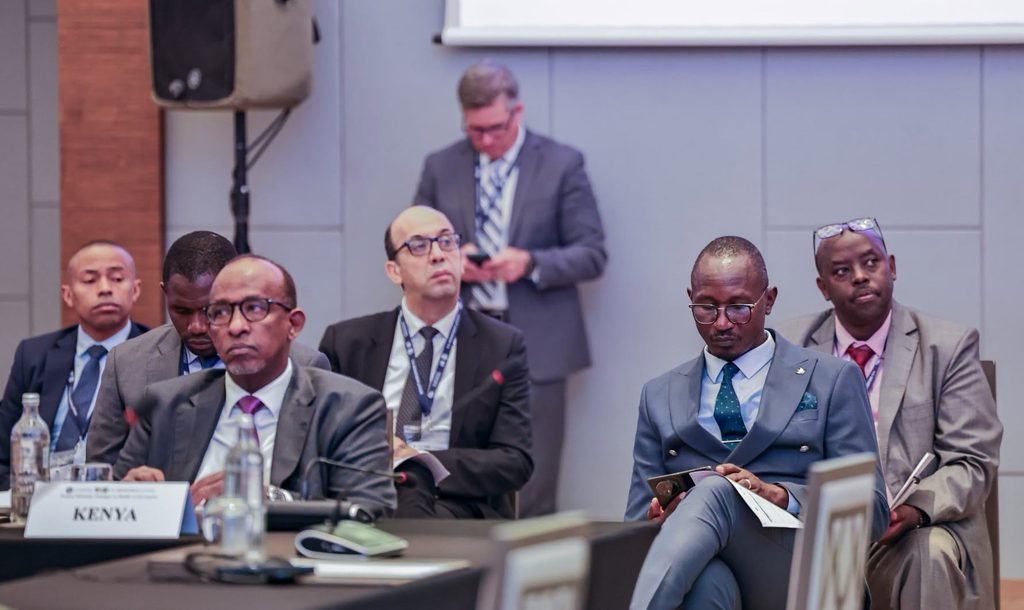
The dialogue brought together Finance Ministers and senior officials from African countries to discuss sustainable, country-led health financing, domestic resource mobilisation, private-sector investment and innovative financing.
It was convened at the invitation of the US Embassy in Kenya.
Those attending included Susan Burns, Chargé d’Affaires at the US Embassy in Kenya; Erin Browne, Under Secretary for International Affairs at the US Department of the Treasury; and Health Cabinet Secretary Aden Duale.
The involvement of Finance Ministers is significant because health financing is ultimately a national budget issue, not just a health ministry issue.
Kenya’s transition is only beginning
Kenya is not immediately replacing external health support with domestic funding.
Instead, the figures point towards a gradual transition, with Kenya’s additional contribution under the health cooperation framework expected to rise from KSh10 billion this financial year to KSh50 billion by FY2029/30, alongside up to US$1.6 billion in US support over five years.
The challenge will be ensuring that increased domestic financing is sustainable—and that it produces measurable improvements.
For Kenyans, the most important question will ultimately be what happens between the budget figures and the hospital ward.
If the additional money delivers better services and greater financial protection, Kenya’s health system could become more resilient. If it does not, higher spending alone will not solve the country’s healthcare challenges.


