
The Kenyan shilling is poised to continue maintaining its steady performance against the US dollar throughout 2026, amid forecasts of a continued decline in the dollar over the next 6 to 12 months.
This is according to the Standard Chartered financial experts highlighted in their 2026 outlook report, the anticipated weakening of the US dollar could create favourable conditions for local currencies, including the Kenyan shilling.
“The dollar recovery since September appears to be fading following soft US labour market data and expectations that the Fed will cut rates further in 2026,” the report reads.
On balance, this means stabilisation or a modest rebound of the USD over a shorter 1-3-month horizon is expected, supported by safe-haven demand.
“Over a longer 6 to12 month horizon, though, gradual USD weakness is expected to persist as Fed rate cuts to support a cooling job market reduce the USD’s yield advantage versus other currencies,” the report released on Thursday, January 22, 2026, reads.
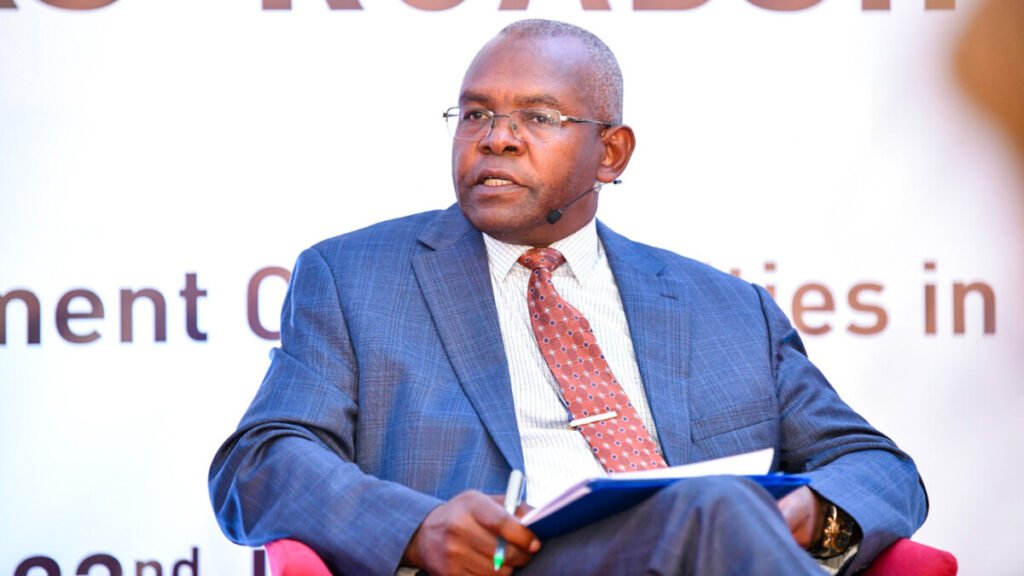
On Friday, January 23, 2026, the Central Bank of Kenya (CBK) reported the shilling at 129.02 to the US dollar, showing minimal deviation from the long-standing average of 129 that the currency has maintained for over a year.
Since mid-2024, the Kenyan shilling has remained largely stable despite global fluctuations in the dollar.
This stability comes after a period of weakness when the shilling fell to around 160 against the dollar, a phase marked by stringent monetary policies and improved foreign inflows that helped restore confidence in the local currency.
Why it’s a good thing
A softer dollar is expected to further bolster the shilling by lowering import costs and helping stabilise commodity prices.
For a nation like Kenya, which relies heavily on imports for goods and energy, a steady shilling eases inflationary pressures and protects consumers from sudden price hikes.
Other advantages of a strong shilling include lower costs for dollar-denominated debt and greater predictability in fiscal planning.
However, a strong shilling can be a drawback for remittance inflows, despite the vital role of diaspora money in the economy.
When the greenback weakens against the shilling, recipients back home receive less in local currency compared to periods when the shilling is depreciating.
Western Union’s first Global Money Transfer Index indicates that roughly 67 per cent of Africans abroad send more money when the local currency is weaker, with 65 per cent of recipients noting that a falling local currency increases the value of remittances they receive.


