
Residents of Kirinyaga County are set to benefit from expanded access to eye care services following the launch of a free medical camp spearheaded by Governor Anne Waiguru.
The initiative, which focuses on screening, treatment, and surgery, aims to reach between 3,000 and 4,000 residents across the county.
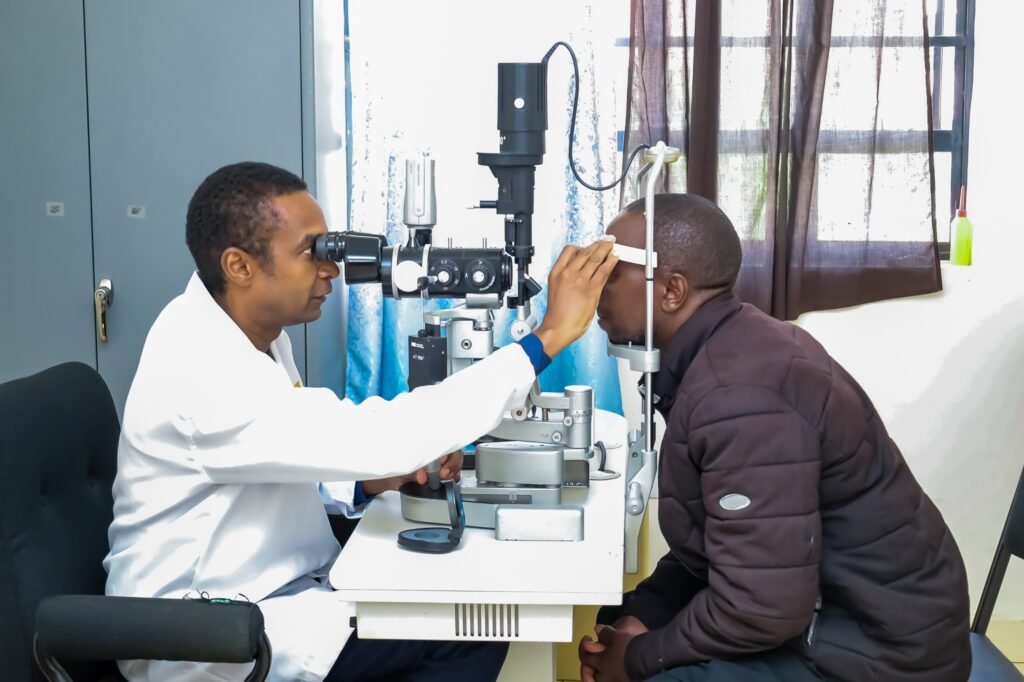
The outreach has already recorded significant progress, with more than 1,000 people screened and over 100 patients successfully undergoing surgeries for cataracts and pterygium—two of the most common eye conditions affecting vision.
Expanding access to essential healthcare
The medical camp is part of the county government’s broader strategy to strengthen primary healthcare and reduce the burden of preventable diseases. According to County Executive Committee Member for Health George Karoki, the programme is addressing a growing number of eye complications linked to non-communicable diseases.
“This initiative is part of the county’s efforts to address rising cases of eye-related complications linked to non-communicable diseases. This outreach involves free screening, treatment, surgeries, and follow-up care,” Karoki said.
Health officials note that conditions such as diabetes and hypertension—both increasingly common in the region—are major contributors to vision problems like cataracts. By offering early screening and intervention, the county hopes to prevent cases from progressing into severe or irreversible blindness.
Partnership driving impact
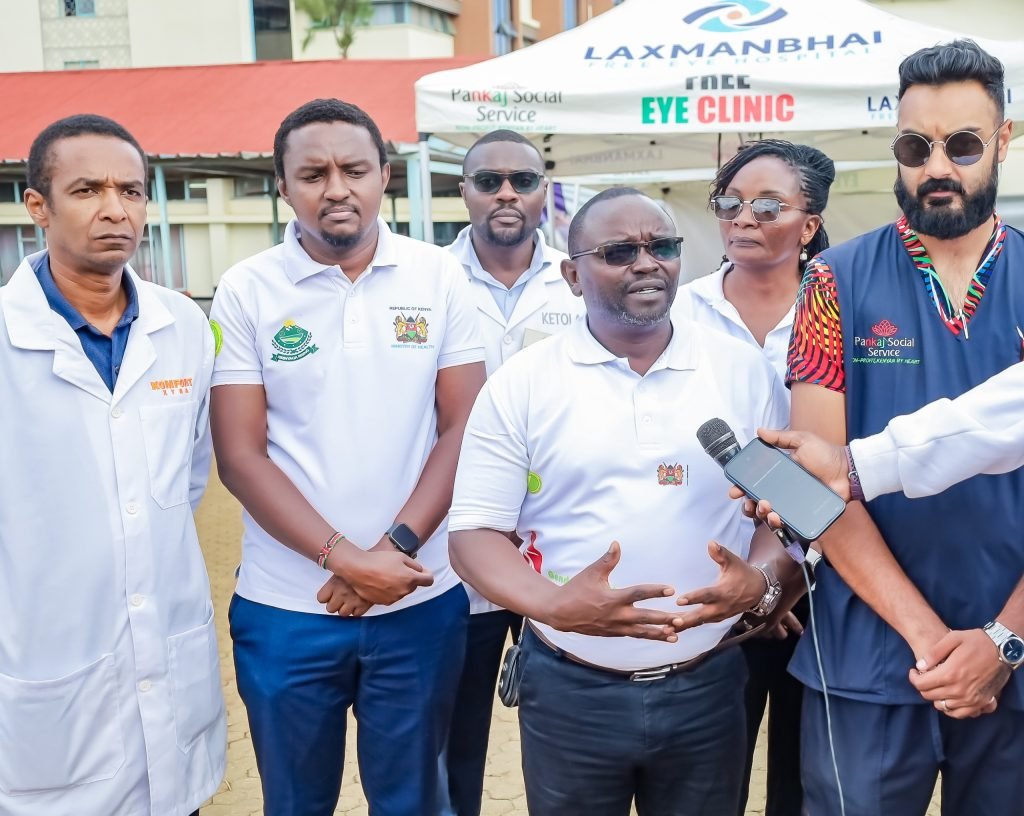
The success of the programme has been boosted by a partnership between the county government and Pankaj Social Services, which is supporting the delivery of surgical services and medical expertise.
Camp Manager Gurpreet Singh emphasized the importance of awareness and regular check-ups, noting that many patients delay seeking treatment until conditions worsen.
“Many people neglect their eye health due to age, environmental factors like dust, or simply lack of awareness, which is why regular check-ups are very important,” he said.
The camp is being conducted across different sub-counties, with patients requiring specialized care referred to designated hospitals for surgery. This decentralized approach ensures that even residents in remote areas can access services without the burden of long-distance travel.
Preventing avoidable blindness
Governor Waiguru reaffirmed her administration’s commitment to improving healthcare outcomes and encouraging residents to take advantage of the free services.
“We want to encourage our people to go for screening in our medical facilities so that they can receive free treatment. So far, hundreds of residents have been screened across the county, with those in need of advanced care referred to the hospital for surgery,” she said.
The initiative also seeks to tackle a long-standing challenge in public health—late diagnosis. Many eye conditions, including cataracts, develop gradually and may go unnoticed until they significantly impair vision. Early detection, experts say, is critical in ensuring successful treatment outcomes.
A model for community health outreach
As the programme continues through the week, health officials are optimistic that it will not only improve vision health but also serve as a model for similar outreach programmes in other counties.
By combining free services, partnerships, and community mobilisation, Kirinyaga is taking a proactive step toward reducing preventable blindness and improving quality of life for thousands of residents.

