
The Port of Lamu is preparing for a surge in vessel calls in the coming days, a development expected to boost regional trade and reinforce its position as a key transshipment hub along the East African coast.
Officials say early indicators already point to rising cargo volumes and growing confidence among global shipping lines in the port’s expanding capacity. The increase in activity signals a shift in how logistics operators are positioning Lamu within regional supply chains.
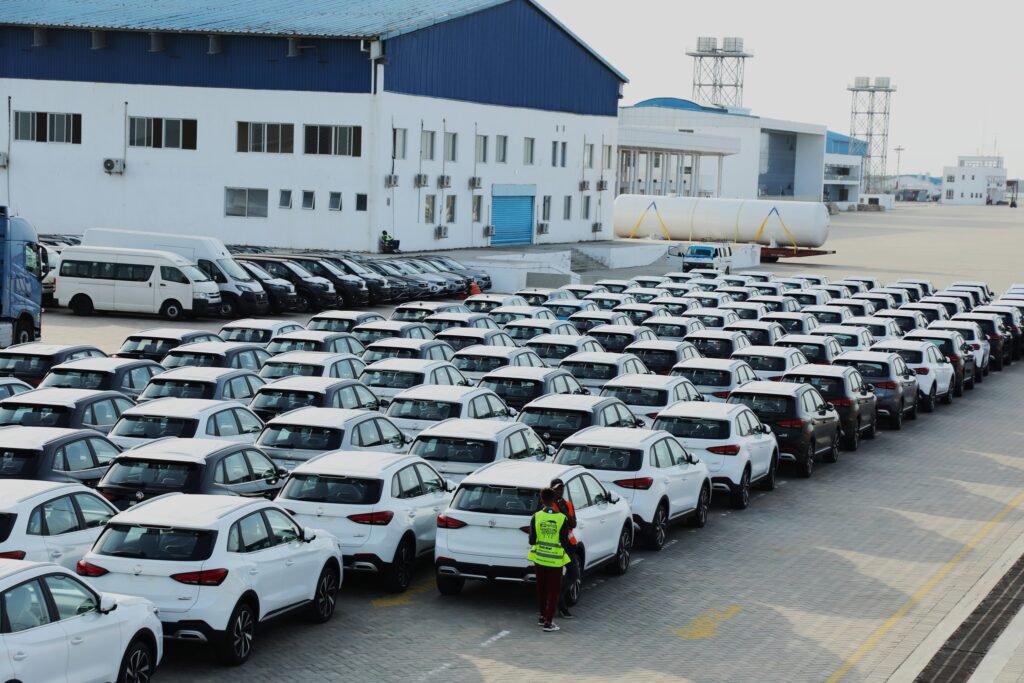
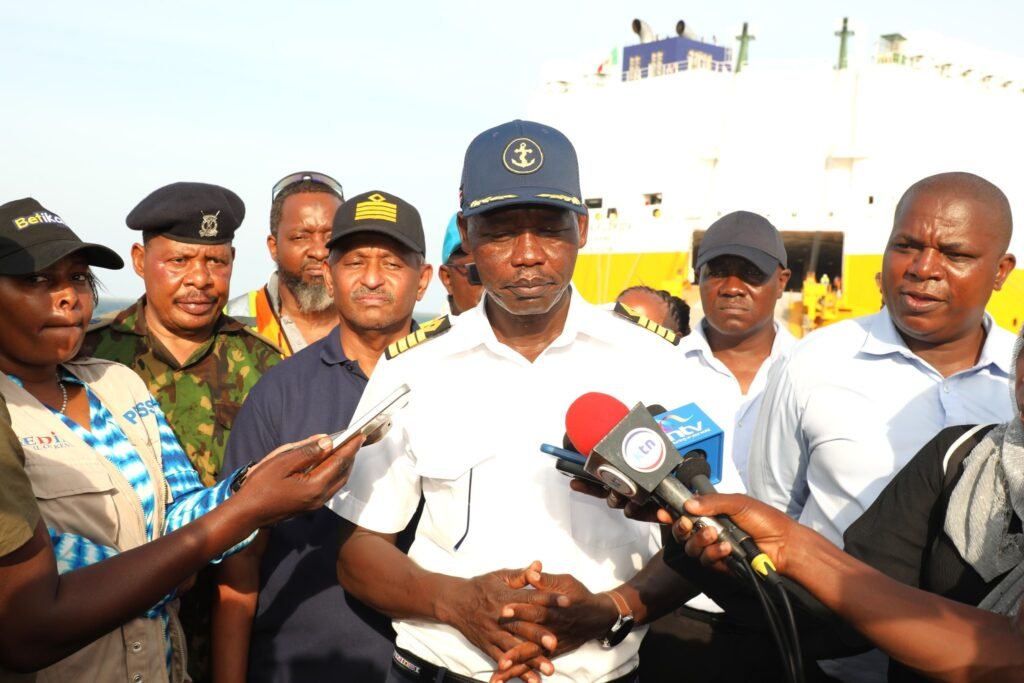
Speaking during a media briefing at the port, William Ruto, Managing Director of Kenya Ports Authority, said vessel traffic has been steadily increasing, particularly with car carriers now choosing Lamu as a preferred destination. He noted that another vessel is expected next week to discharge about 5,000 motor vehicle units.
Rising confidence among global shipping lines
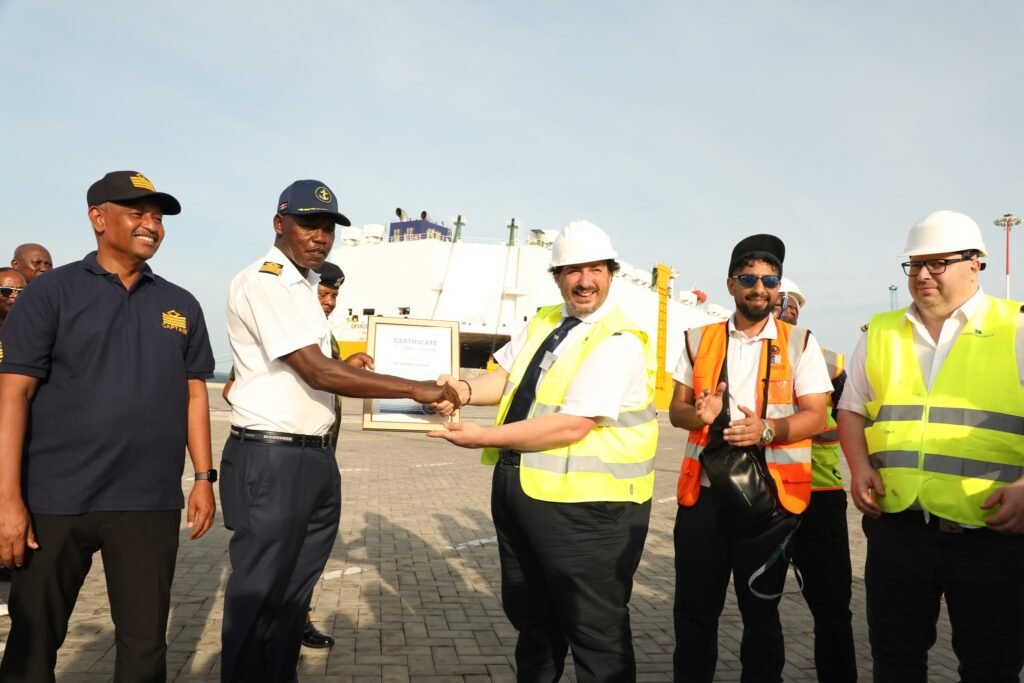
The latest development follows the arrival of MV Grande Florida Palermo, operated by Grimaldi Lines, which made its maiden call at the port carrying 3,800 motor vehicle units and assorted spare parts. The docking of the vessel marks a significant milestone in the port’s efforts to attract international shipping operators.
“We are delighted to welcome MV Grande Florida Palermo on its maiden call to Lamu. This is yet another affirmation of the trust global operators are placing in our port,” said Capt. Ruto.
The vessel’s arrival comes just a week after another car carrier, MV Grande Auckland, discharged 469 motor vehicles at the same facility. Industry observers say the growing number of car carriers signals increasing commercial viability for the port.
Cargo volumes and performance improve
Data from the Kenya Ports Authority shows that the port has recorded 74 vessels between January and early March this year, reflecting steady growth in traffic. The increase in ship calls is being driven largely by containerised cargo and vehicle imports.
Performance figures further highlight the port’s rapid growth. Total cargo throughput reached 799,161 metric tonnes last year, a significant jump from 74,380 metric tonnes recorded in 2024. The sharp increase underscores the port’s rising role in handling regional cargo flows.
Experts note that such growth is critical in easing pressure on traditional ports while enhancing Kenya’s competitiveness in maritime trade. The expansion of Lamu’s operations is also aligned with broader infrastructure investments aimed at strengthening the country’s logistics network.
Strategic role in regional trade
The Port of Lamu is part of Kenya’s long-term strategy to diversify its maritime infrastructure and support trade across East Africa. Its strategic location offers access to landlocked markets and positions it as an alternative gateway for cargo destined for neighbouring countries.
With more shipping lines introducing regular services, officials expect cargo volumes to increase further in the coming years. The port’s ability to handle large vessels and specialised cargo such as vehicles is seen as a major advantage in attracting new business.
During a tour of the facility, General Manager Capt. Abdulaziz Mzee assured stakeholders of the port’s readiness to handle increased traffic, emphasising safety and security for cargo. He noted that ongoing investments in infrastructure and operations are designed to support long-term growth.
What happens next
The expected arrival of additional vessels in the coming weeks is likely to test the port’s operational capacity while providing further evidence of its growing relevance in regional trade. Continued engagement with global shipping lines and logistics players will be key in sustaining this momentum.
For Kenya, the rise of Lamu as a logistics hub represents more than just increased vessel calls. It signals a broader shift toward expanding trade infrastructure, improving cargo handling capacity, and positioning the country as a central player in East Africa’s maritime economy.

