
President William Ruto has commissioned the newly completed Rusinga Island Ring Road in Suba North Constituency, Homa Bay County, in a move aimed at boosting connectivity, tourism, and blue economy activities in the lakeside region.
The 20-kilometre road, constructed at a cost of KSh1.3 billion, winds along the shores of Lake Victoria and is expected to transform access across the island while opening up new economic opportunities for residents.
Reflecting on the project’s journey, Ruto recalled its launch in 2024, noting that it was part of a broader plan to address historical inequalities in infrastructure development.
“In August 2024, we broke ground on the 20km Rusinga Island Ring Road, a KSh1.3 billion investment designed to restore equity to a region long left behind,” he said.
At the time, the President acknowledged that the project faced skepticism from some quarters, but insisted the government remained committed to delivering development across all regions.
“At the time, some questioned our resolve, unaware of our firm commitment to delivering equitable development across the country,” he added.
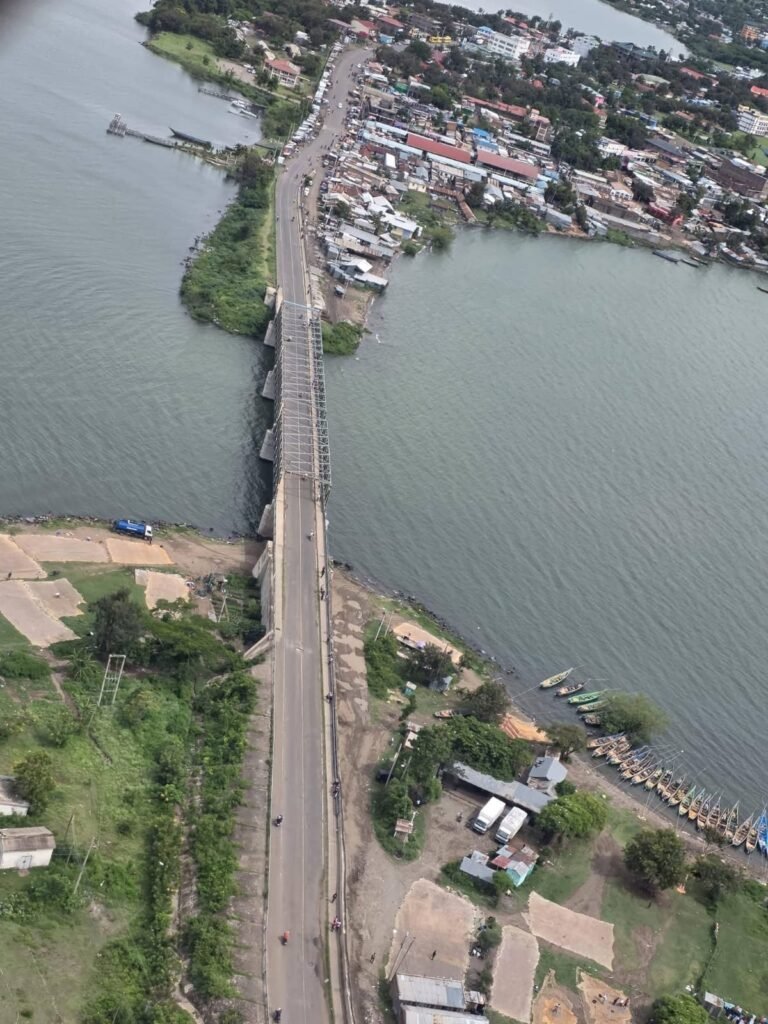
Opening up Rusinga Island
The completion of the road is expected to significantly improve movement of people and goods across Rusinga Island, reducing travel time and enhancing access to key social and economic facilities.
“Today, we proudly commissioned the completed Rusinga Island Ring Road, stretching along the shores of Lake Victoria in Suba North Constituency, Homa Bay County,” Ruto said.
Residents and local leaders have long cited poor road infrastructure as a major barrier to development on the island, particularly in sectors such as fishing, trade, and tourism.
With improved accessibility, the region is now better positioned to attract investment and integrate more fully into the wider county and national economy.
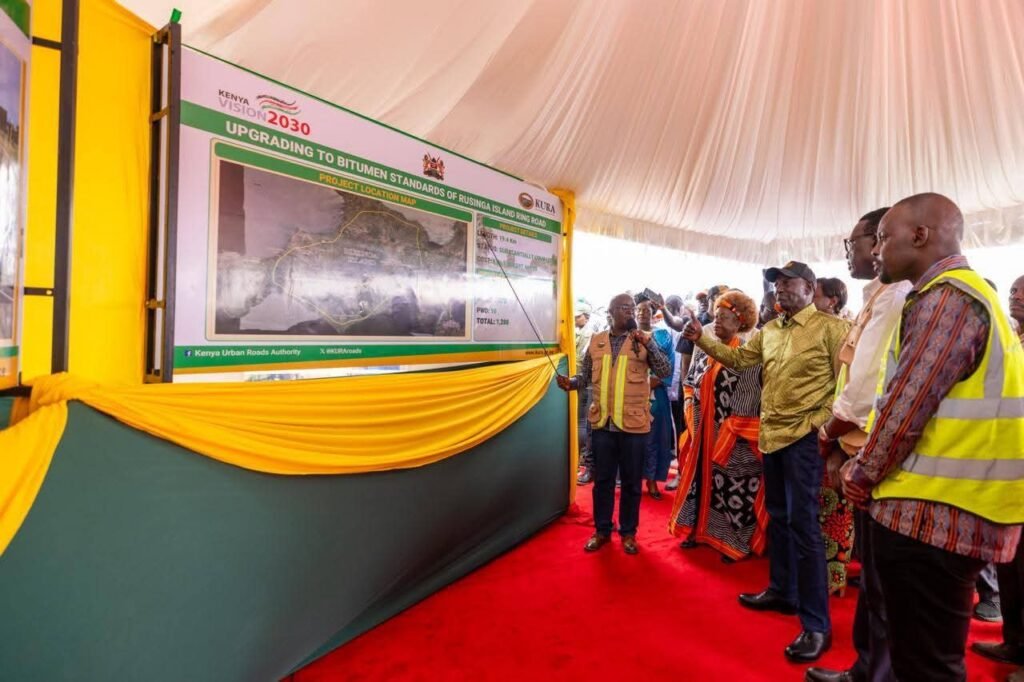
Boosting tourism and blue economy
The President said the road will play a key role in unlocking Rusinga Island’s tourism potential, given its scenic location along Lake Victoria and its rich cultural heritage.
“This road project will unlock Rusinga Island’s tourism potential and accelerate blue economy activities,” he stated.
He outlined plans to complement the road with investments in key blue economy infrastructure, including fish landing sites, fish markets, rescue centres, and aquaculture cages.
These initiatives are expected to improve the value chain in the fishing industry, enhance safety for fishermen, and create jobs for local communities.
The development aligns with the government’s broader strategy to tap into the economic potential of Kenya’s water resources, particularly in lakeside counties.
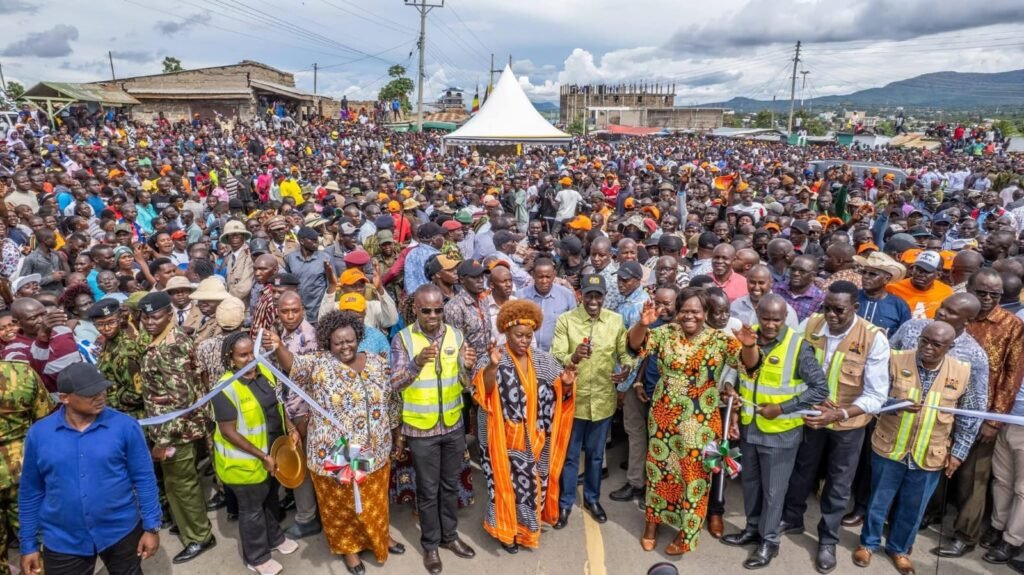
Pushing equitable development agenda
Ruto reiterated that the project is part of a wider push to ensure that all regions benefit from national development, regardless of their historical marginalisation.
He maintained that infrastructure remains a key driver of economic transformation, enabling communities to access markets, services, and opportunities.
The commissioning of the Rusinga Island Ring Road is therefore seen not just as a local milestone, but as part of a national effort to bridge development gaps and promote inclusive growth.
As the road becomes fully operational, attention is expected to shift to the implementation of complementary projects that will maximise its economic impact, particularly in tourism and the blue economy sectors.

