
Tech-savvy Ugandans keen on electoral updates have found a way to remain online
This is even after the government shut down internet as the country headed to a knife edge election today in what has led to widespread blackout of access to information on the happenings.
Most have turned to Virtual Private Network (VPN) to remain on the internet.
VPN stands for Virtual Private Network, which creates a secure, encrypted connection (a “tunnel”) over a public network like the internet, masking your IP address and protecting your data from eavesdropping.
It is understood that it makes online activity private and secure, especially on public Wi-Fi. It allows also one to appear as if he or she is browsing from the VPN server’s location, bypassing geo-restrictions and adding a crucial layer of security for remote work or personal use.
The Uganda Communications Commission (UCC) said the suspension began at 6.00pm on January 13, 2026, and will remain in place “until a restoration notice is issued”, citing security concerns linked to Thursday’s general election.
MISINFORMATION
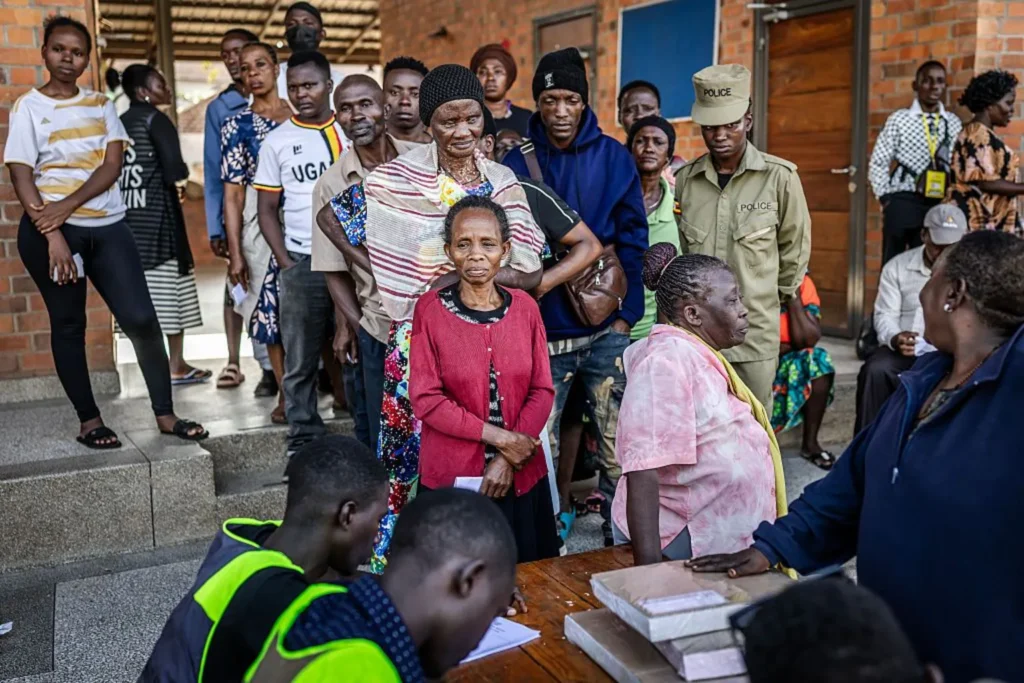
The decision follows a recommendation by the Inter-Agency Security Committee, which warned of the risks posed by the rapid spread of online misinformation and election-related content that could inflame tensions.
“The suspension is effective January 13, 2026, at 6pm and will remain in force until a restoration notice is issued by UCC. During this period, all non-essential public internet traffic must be blocked,” said UCC Executive Director Thembo Nyombi.
Under the directive, access to social media platforms, personal email services, web browsing, video streaming and messaging applications will be cut. The shutdown applies across mobile broadband, fibre optic connections, leased lines, fixed wireless access, microwave radio links and satellite internet services.
GROWING CALLS
Uganda is facing mounting calls to lift a nationwide internet blackout before a contentious election, with the United Nations saying the government-imposed restrictions are “deeply worrying”.
In a social media post on Wednesday, the UN Human Rights Office stressed that “open access to communication & information is key to free & genuine elections”.
part in shaping their future and the future of their country,” it said.
The call comes a day after a Ugandan government regulatory body instructed mobile network operators to block public internet access, starting on Tuesday evening, as the East African country readied for a January 15 general election.
INTERNET BLACKOUT
Internet monitor NetBlocks said in its latest update on Wednesday that Uganda was “in the midst of a widespread internet shutdown”.
“Far from halting misinformation, the measure is likely to limit transparency and increase the risk of vote fraud,” the group warned.
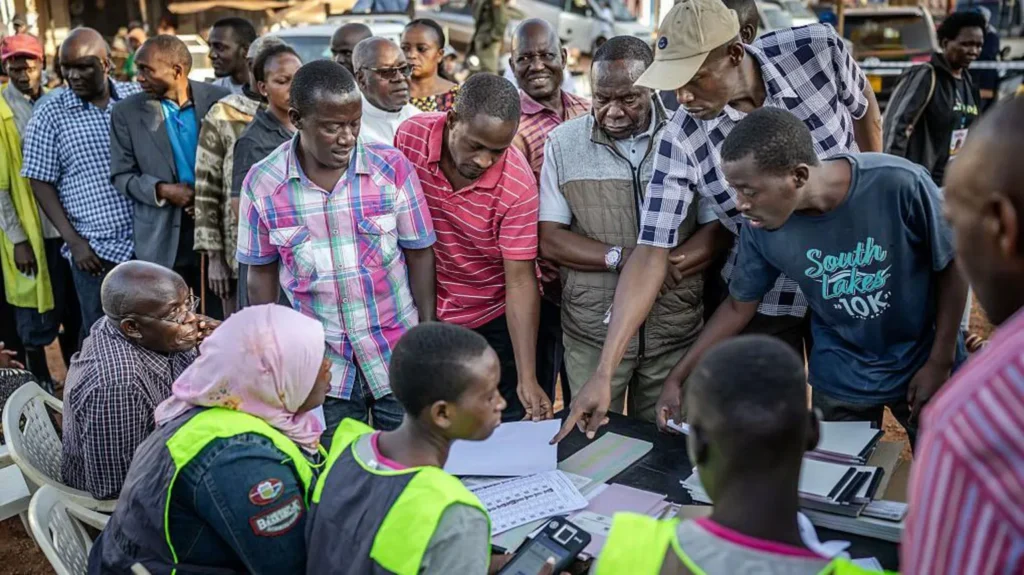
The government of Uganda has been accused of overseeing a years-long crackdown on its critics, arresting political opposition leaders and their supporters.
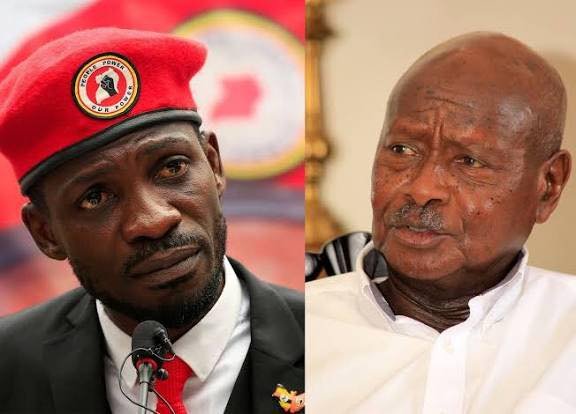
Museveni is being challenged by pop star-turned-politician Robert Kyagulanyi aka Bobi Wine, whose campaign rallies have been routinely disrupted by the Ugandan authorities.
The UN Human Rights Office last week warned that Ugandans would be heading to the polls amid “widespread repression and intimidation against the political opposition, human rights defenders, journalists and those with dissenting views”.
CONDEMNED RESTRICTIONS
The Uganda Communications Commission defended the internet shutdown as necessary to curb “misinformation, disinformation, electoral fraud and related risks”.
But Tigere Chagutah, the East and Southern Africa regional director at Amnesty International, condemned the restrictions as “a brazen attack on the right to freedom of expression”.
“It is especially alarming coming as it does just before a crucial election already marred by massive repression and an unprecedented crackdown on opposition parties and dissenting voices,” Chagutah said in a statement on Wednesday.
“Blanket shutdowns disrupt people’s mobility, livelihoods and their ability to access vital information. They are inherently disproportionate under international human rights law and must never be imposed.”
Widespread violence during Uganda’s last general elections campaign, in 2021, left at least 54 people dead, according to Human Rights Watch, while the authorities also cut off social media and internet access.
AUTHORISED ACCESS
UCC, however, said it has put in place exemptions to ensure continuity of critical services. Limited access will be allowed for essential sectors such as healthcare at national referral hospitals, financial services and key government systems, including immigration, the electoral commission, voter verification and vote tallying platforms.
Access to these services will be restricted to authorised personnel and delivered through secure channels such as dedicated IP ranges, VPNs or private circuits. The regulator warned that any misuse of the exemption list would lead to immediate withdrawal of access.
The move comes days after Ugandan authorities dismissed reports of a planned internet blackout as “mere rumours”, insisting the commission’s role was to guarantee uninterrupted connectivity nationwide.


