
Central Bank of Kenya (CBK) in its latest Monetary Policy Committee (MPC) meeting on December 9, 2025 lowered its benchmark lending rate by 25 basis points to 9.0%
This decision marks the ninth consecutive rate cut since an easing cycle began in early 2024, taking the rate to its lowest level since January 2023.
The main goal of this move is to stimulate bank lending to the private sector and support overall economic activity, as domestic inflation remains comfortably within the CBK’s target range of 2.5% to 7.5%.
The rate cut is expected to further ease borrowing costs for individuals and businesses, affecting mortgages and business loans. Average commercial bank lending rates have already declined to 14.9% in November 2025 from 17.2% a year earlier.
The CBK projects Kenya’s Gross Domestic Product (GDP) to grow by 5.2% in 2025 and 5.5% in 2026, supported by this policy easing, resilient agriculture, and strong service sector performance.
In order to have a trickling effect from the rate cut, the CBK is calling for a transmission mechanism and is encouraging commercial banks to pass these reduced costs on to borrowers more quickly, with the new Risk-Based Credit Pricing Model expected to enhance the effectiveness of monetary policy transmission by March 2026.
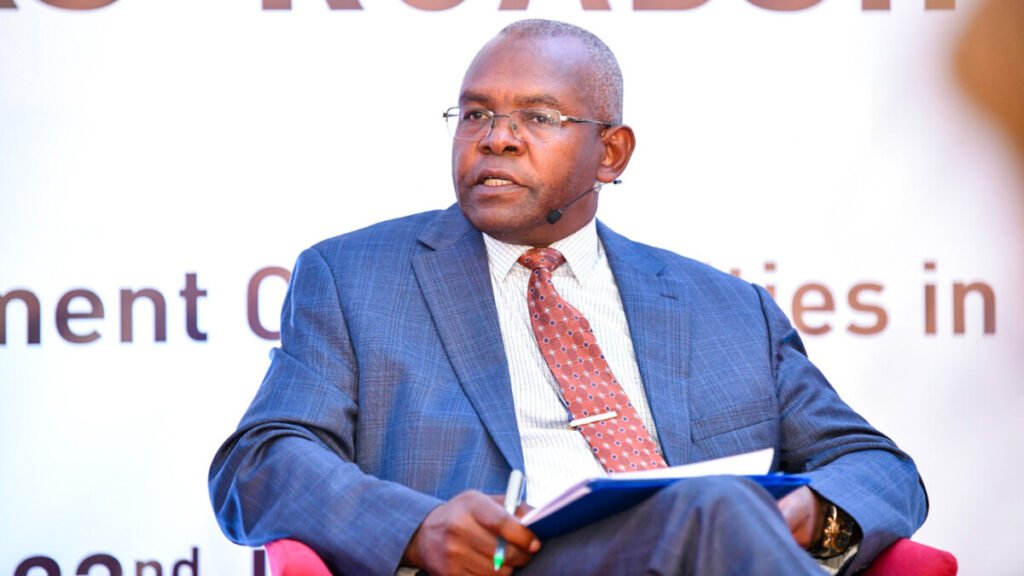
Economists say that with the Risk-Based Pricing Model coming by March 2026, borrowers may finally see fairer loan pricing and better access for creditworthy but lower-risk customers and this means monetary policy changes will have faster real-world effects.
According to the CBK, the decision was underpinned by a stable exchange rate and easing inflation, which dropped to 4.5% in November.
The market is now watching closely to see how quickly commercial banks adjust their lending rates in response to the CBK’s decision.
However, on the flip side lower rates make Kenya’s financial assets slightly less attractive to foreign investors, especially compared to countries offering higher returns.
This could pose some possible effects that include pressure on the shilling, higher cost of imports and the risk of renewed inflation.
However, CBK notes that the exchange rate is currently stable.


