
While Kenya has coins worth billions of shillings just lying around, most people don’t ever see them or use them. Who still uses 50-cent and Sh1 coins?
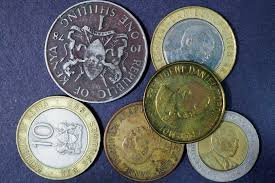
They’re probably stashed away in people’s houses. The Central Bank of Kenya’s numbers back this up.
The CBK says they released Sh80 million worth of Sh1 coins into the economy between mid-2018 and mid-2021. But, just six months later, the total value of 50-cent and Sh1 coins chilling in the economy was Sh950.5 million! Those are a lot of coins not doing anything.
The latest CBK data shows they were holding about Sh11.37 billion in coins by mid-2025, most of it in higher denominations of Sh20, Sh10, and Sh5 ones. Kenya’s coin denominations include 50 cents, Sh1, Sh5, Sh10, Sh20, and Sh40.
The Central Bank estimates that Sh1 billion worth of shillings in small change (mostly those 50-cent and Sh1 coins) are sitting in jars and drawers at home.
That’s why shopkeepers and bus drivers will round up prices or give you sweets instead of change.
Meanwhile, that Sh50 bill is king for everyday shopping. Other banknotes in circulation include Sh100, Sh200, Sh500, and Sh1,000 notes.
Why the Sh50 Note Is Always Dirty
The worn-out appearance of the Sh50 note is not accidental.
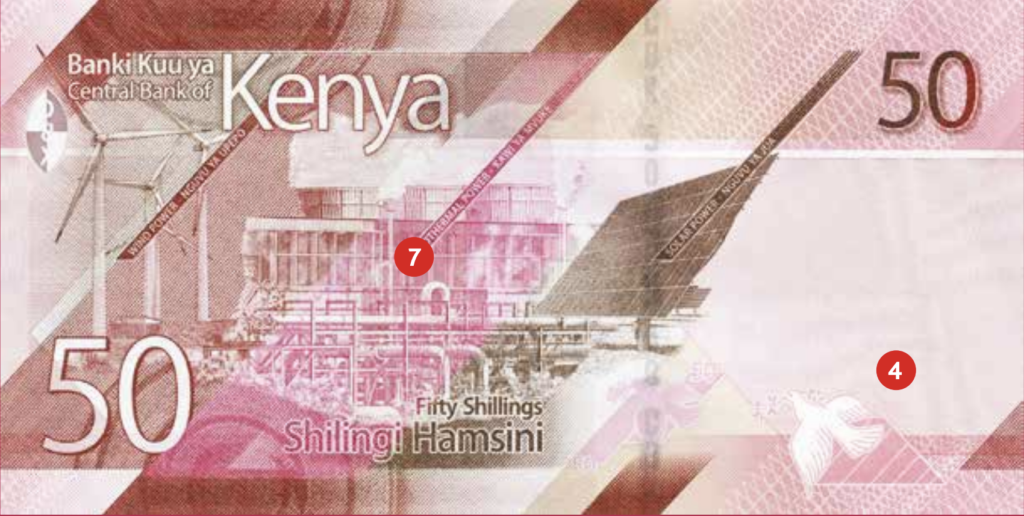
Currency experts attribute this to high circulation frequency. Being the lowest-value note, the Sh50 changes hands far more frequently than higher denominations, exposing it to dirt, stains, and general wear.
CBK’s prioritization of the replacement of higher-value notes such as Sh500 and Sh1,000 due to their economic significance and vulnerability to counterfeiting forces the lower-value notes to remain in circulation longer, even when visibly worn.
The public also contributes to the problem by rarely returning damaged notes to banks for replacement, allowing old Sh50 notes to stay in the system far longer than intended.
CBK’s Challenge
The Central Bank has repeatedly urged Kenyans to embrace coins as legal tender and return worn-out notes to commercial banks. Campaigns such as “Chomoa Coins” were introduced to encourage the public to release hoarded coins back into circulation.
However, changing public behavior remains a challenge, even as Kenya pushes towards a cash-lite economy dominated by mobile money and digital payments.
For now, billions of shillings in coins remain underused- while the humble Sh50 note continues to bear the physical scars of Kenya’s everyday cash economy.


Great analysis brother….